Välkommen till Centrum för vetenskapshistoria
Centrum främjar vetenskapshistorisk forskning genom att tillgängliggöra Kungl. Vetenskapsakademiens samlingar av arkiv och föremål och genom att delta i och bedriva forskningsprojekt.
Läs mer om oss
Läs mer om oss
Aktuellt
Sök i våra arkiv
Centrum på Instagram
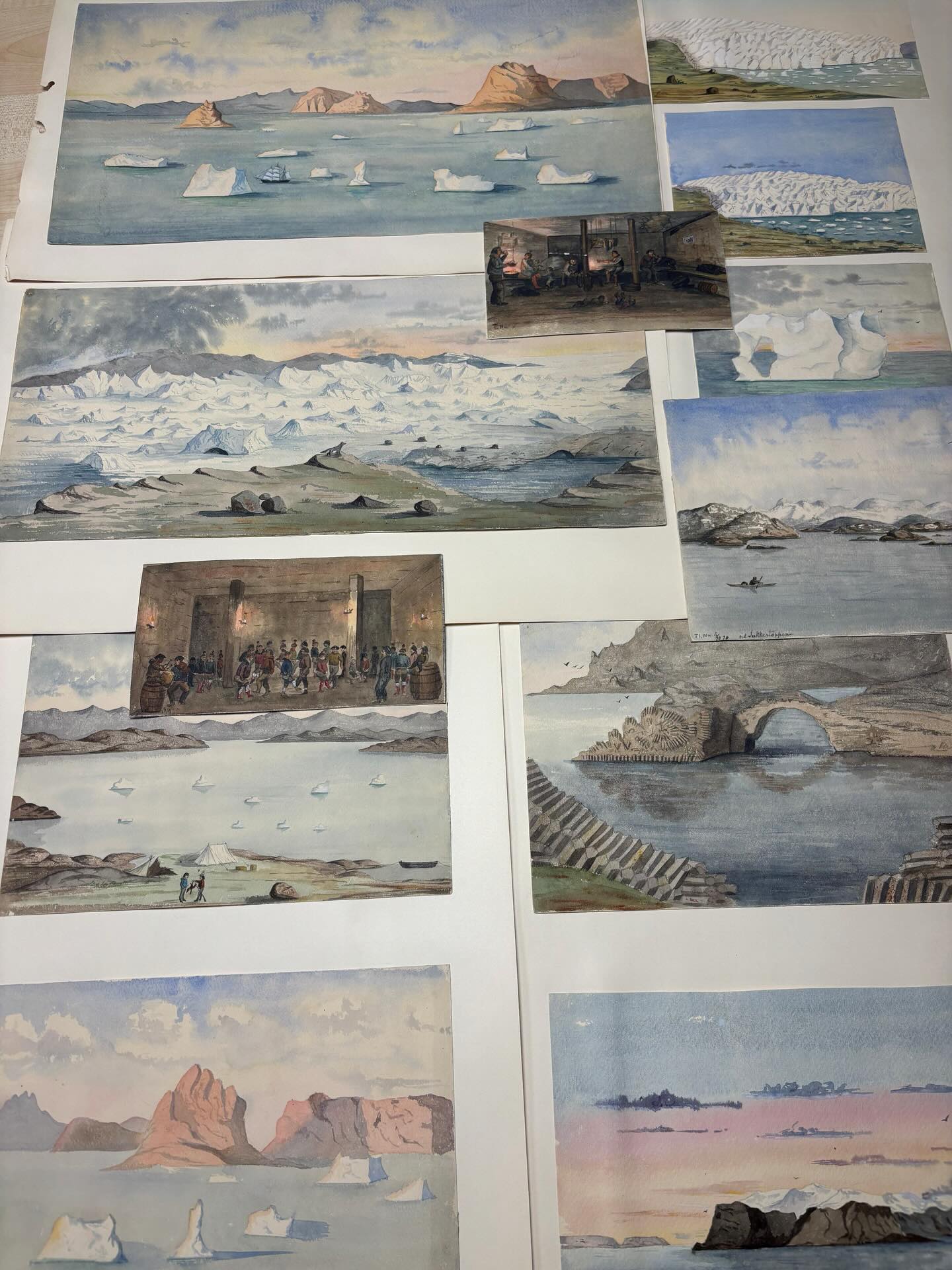
2026-01-14
Watercolour paintings made by Theodor Nordström (1843-1920) during the Swedish expedition to Greenland in the summer of 1870.
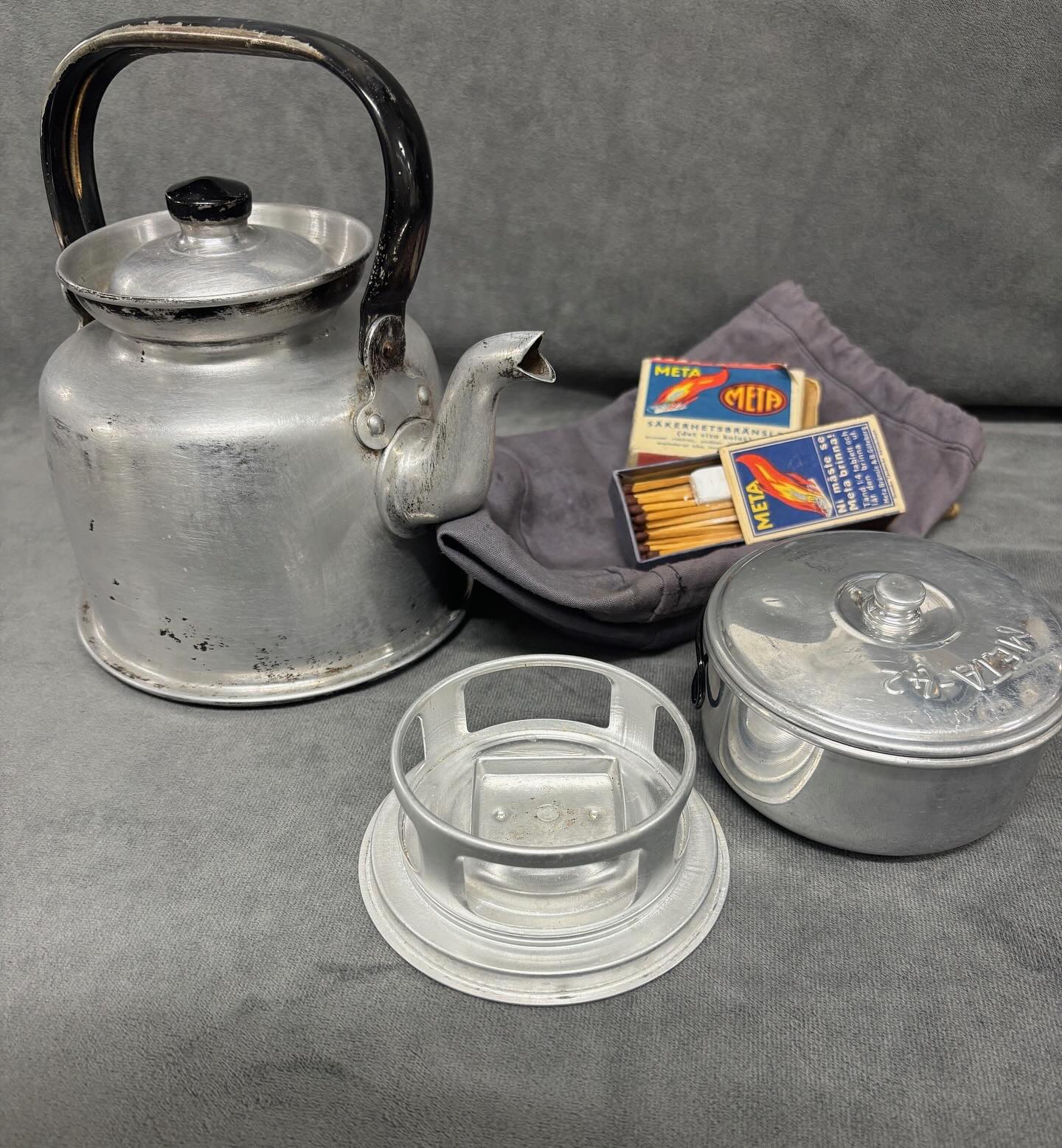
2025-11-08
It’s Archives Day in Sweden! An annual event when archives display items from their collections on a certain theme.
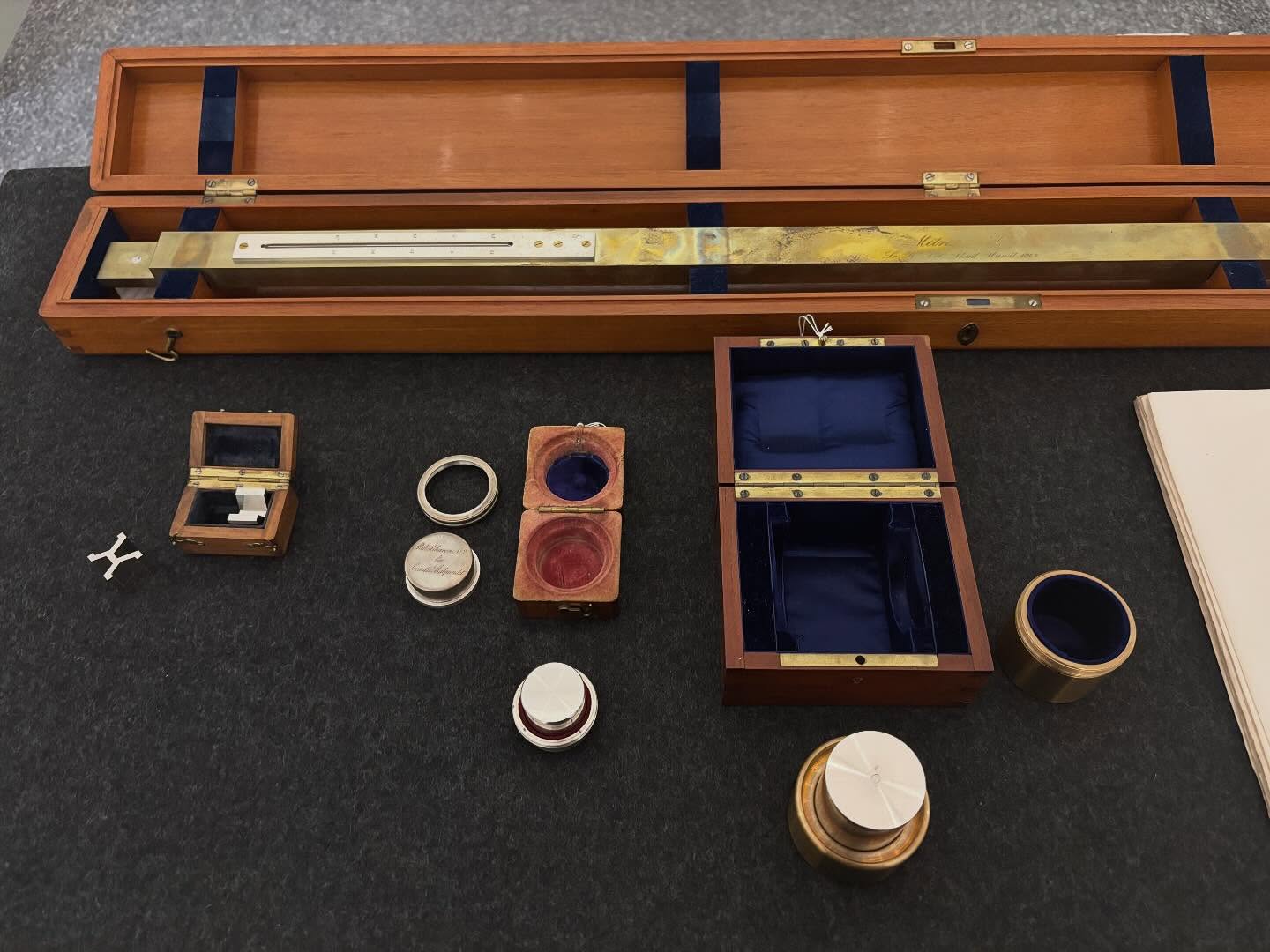
2025-10-23
This year marks 150 years since the “Metre Convention” was signed in May 1875 by Sweden and 16 other countries.
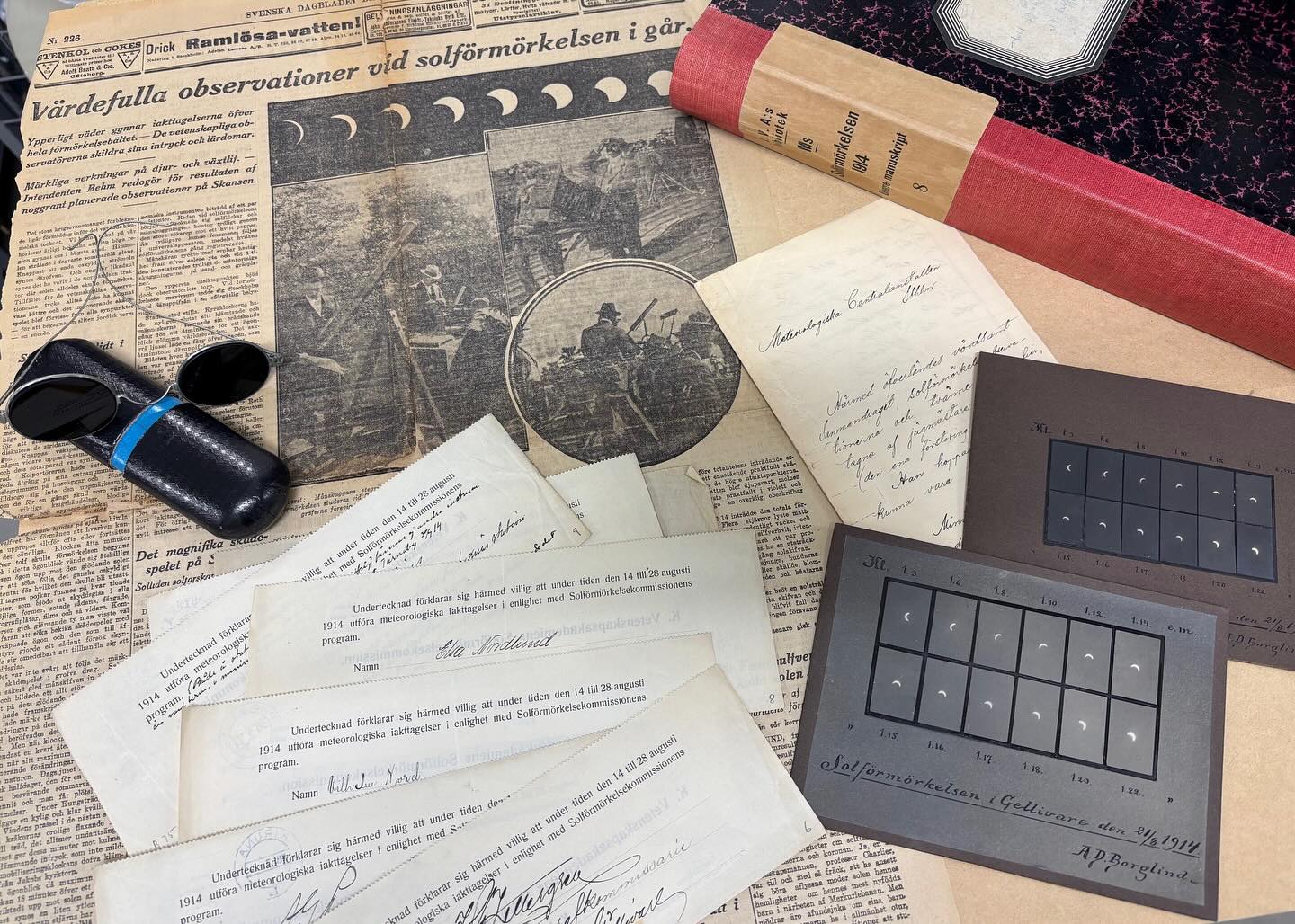
2025-10-10
The days might feel dark as we head into the winter season, but it’s comforting to know that the light will eventually return.
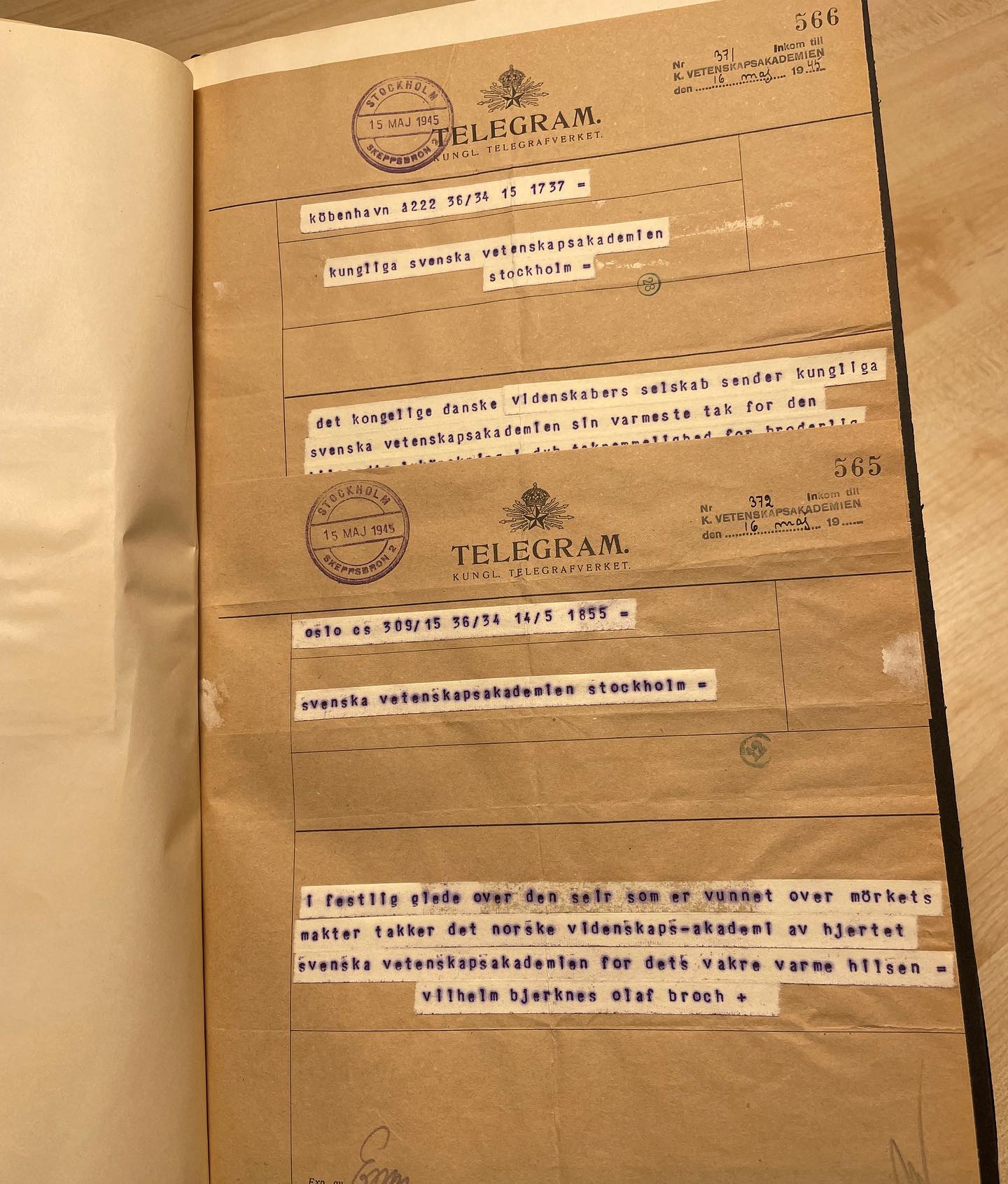
2025-05-08
On May 9, 1945, the Academy gathered for its usual meeting.
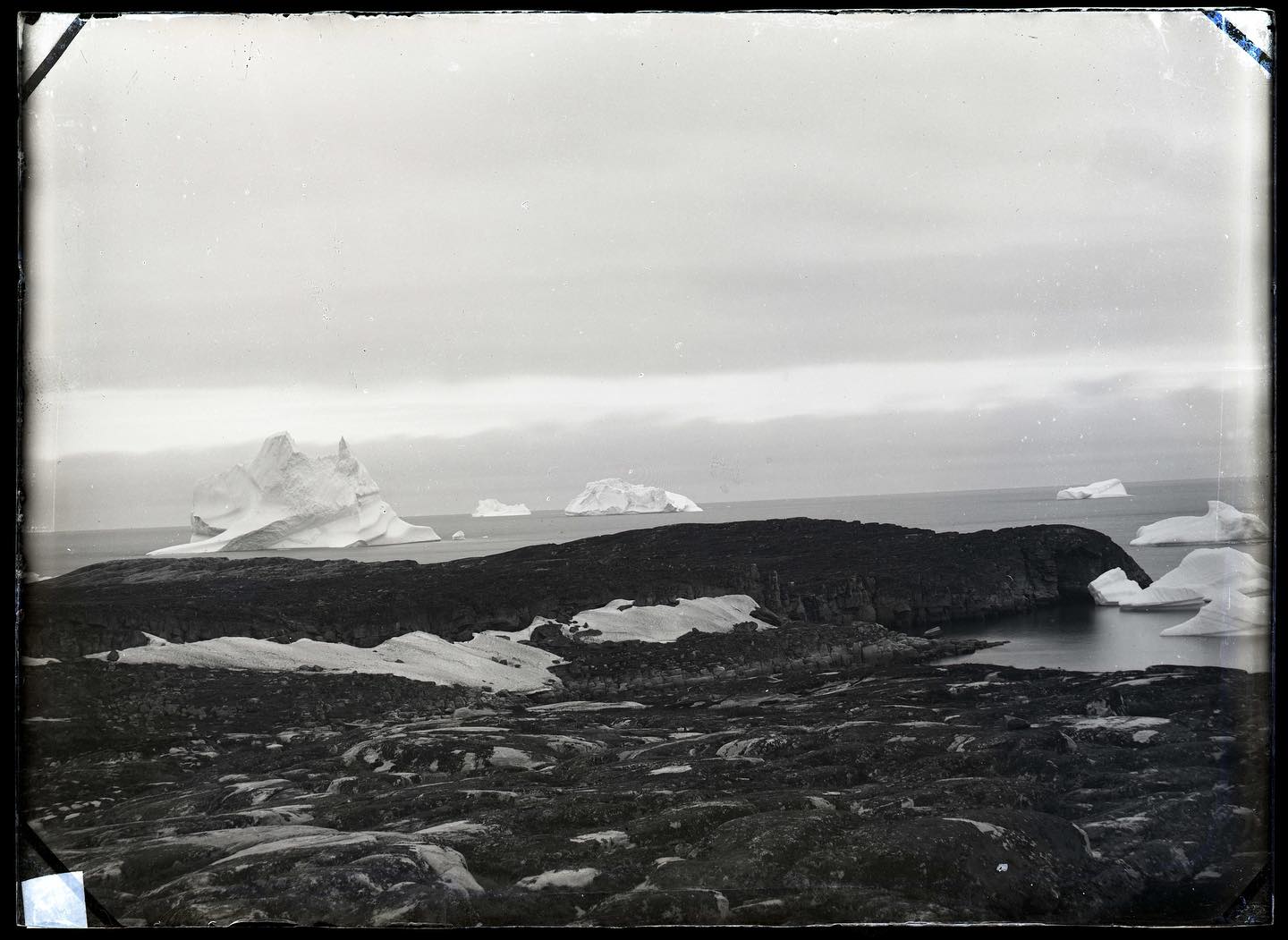
2025-03-28
Glass plate photos from the polar expeditions 1883 led by A. E. Nordenskiöld and 1899 led by G. Nathorst, both to Greenland. You can look, but you cannot touch. #historyofphotography #polarhistory #polarexpeditions #greenland #historyofscience #centerforhistoryofscience #theroyalswedishacademyofscience #photocollection
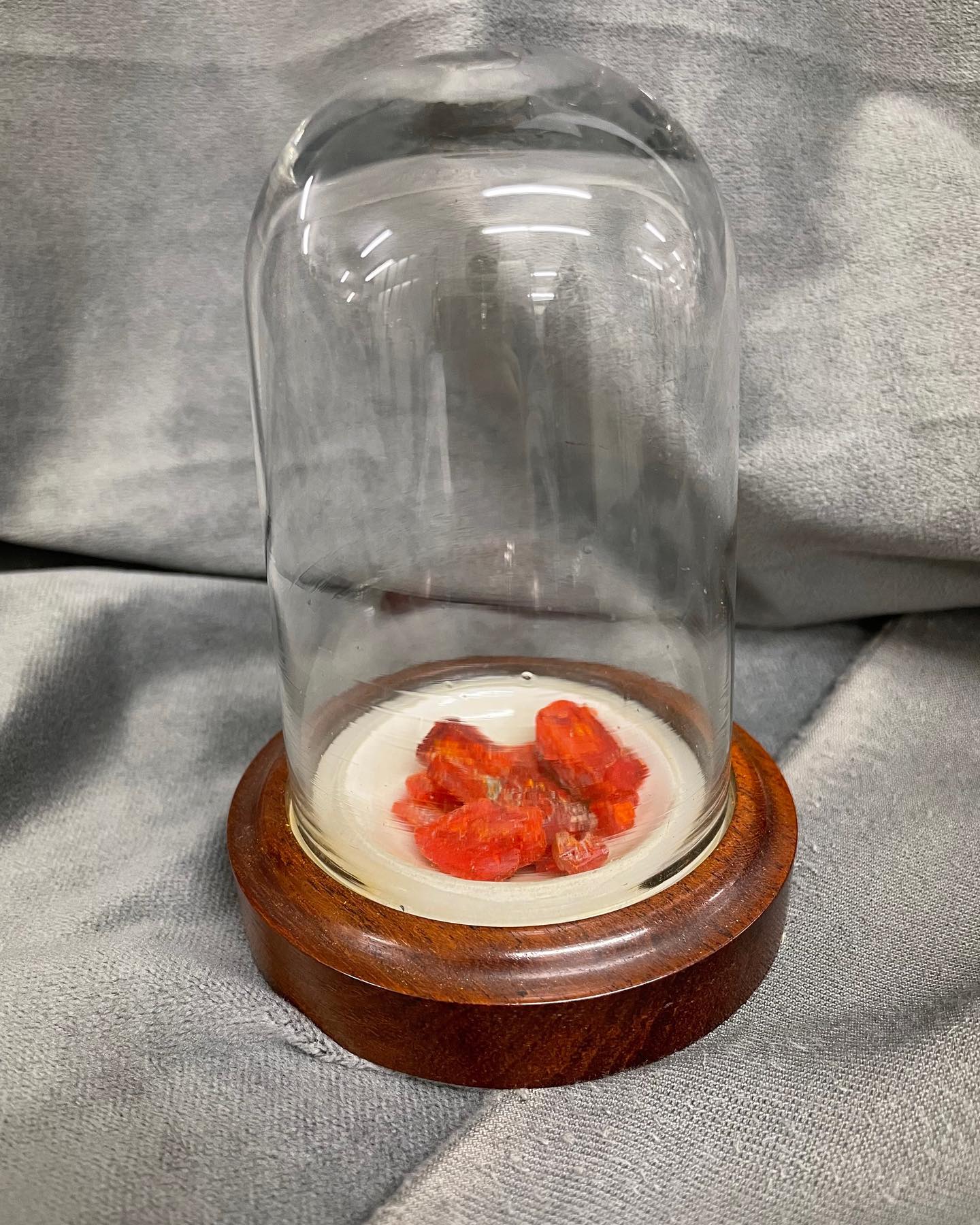
2025-02-14
Nothing says I love you like potassium chromate displayed under a glass cover. At least if you?re married to a famous chemist. On the bottom of the wooden base Jacob Berzelius (1779-1848) has written ?by Jac. Berzelius arranged and gifted to his wife? #happyvalentinesday #centerforhistoryofscience #historyofscience #historyofchemistry #theberzeliuscollection #theroyalswedishacademyofsciences #scientificcollections #treasuresfromthearchives
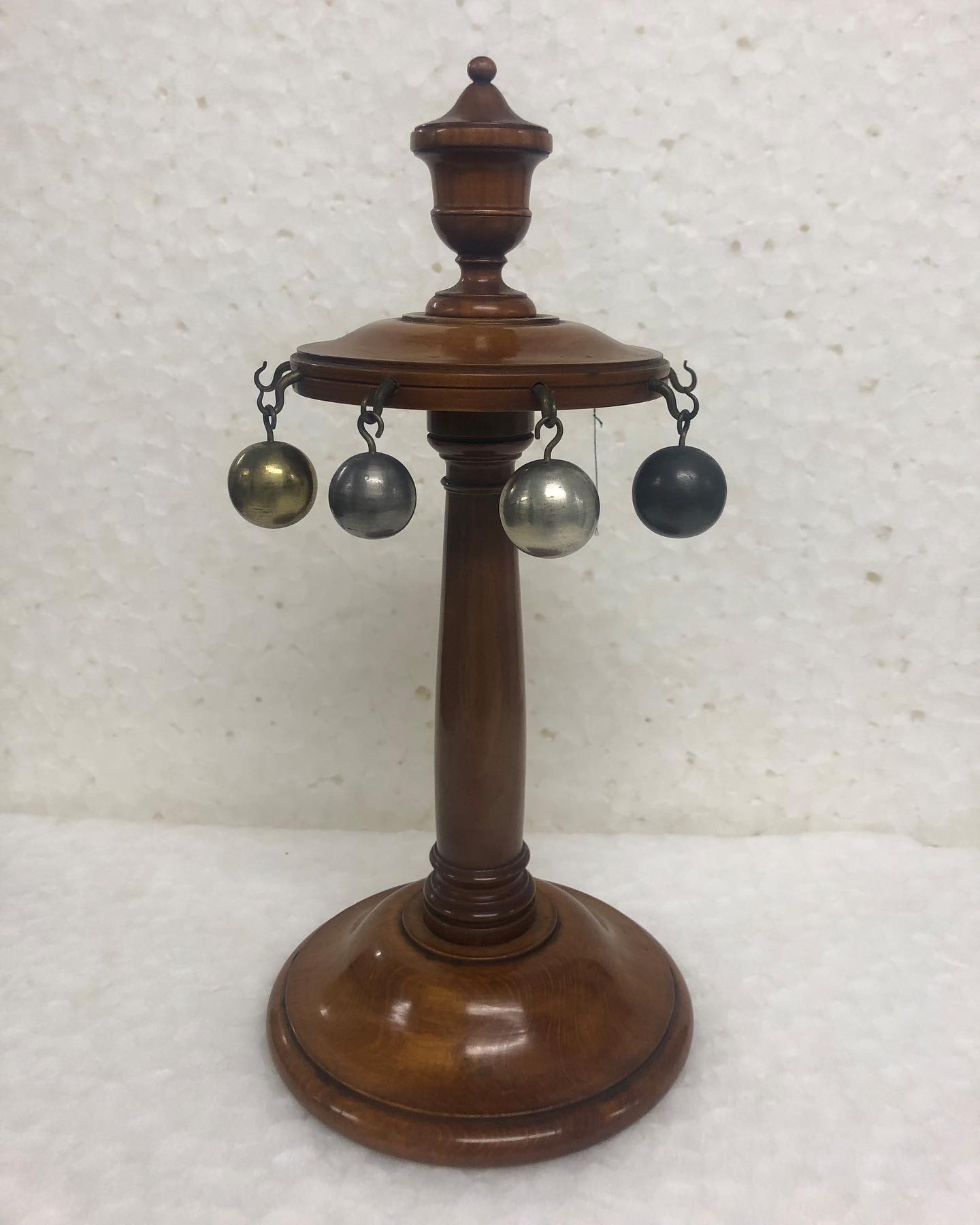
2024-12-18
Early on, the Academy of Sciences in Stockholm worked on the development of Christmas tree decorations. Here we see an example of different materials for Christmas tree ornaments. One of the ornaments has apparently come into use as it has been missing since 1848. However, the prototype for a Christmas gift package still exist, made of copper (not included in the picture. We would like to wish you all a scientifically tested Christmas! ?? (if you suspect this is all made up nonsense because we don?t know what this item is or has been used for, you are absolutely correct. Feel free to enlighten us if you know!) #centerforhistoryofscience #historyofscience #scientificinstrumentscollections #royalswedishacademyofsciences
2024-11-09
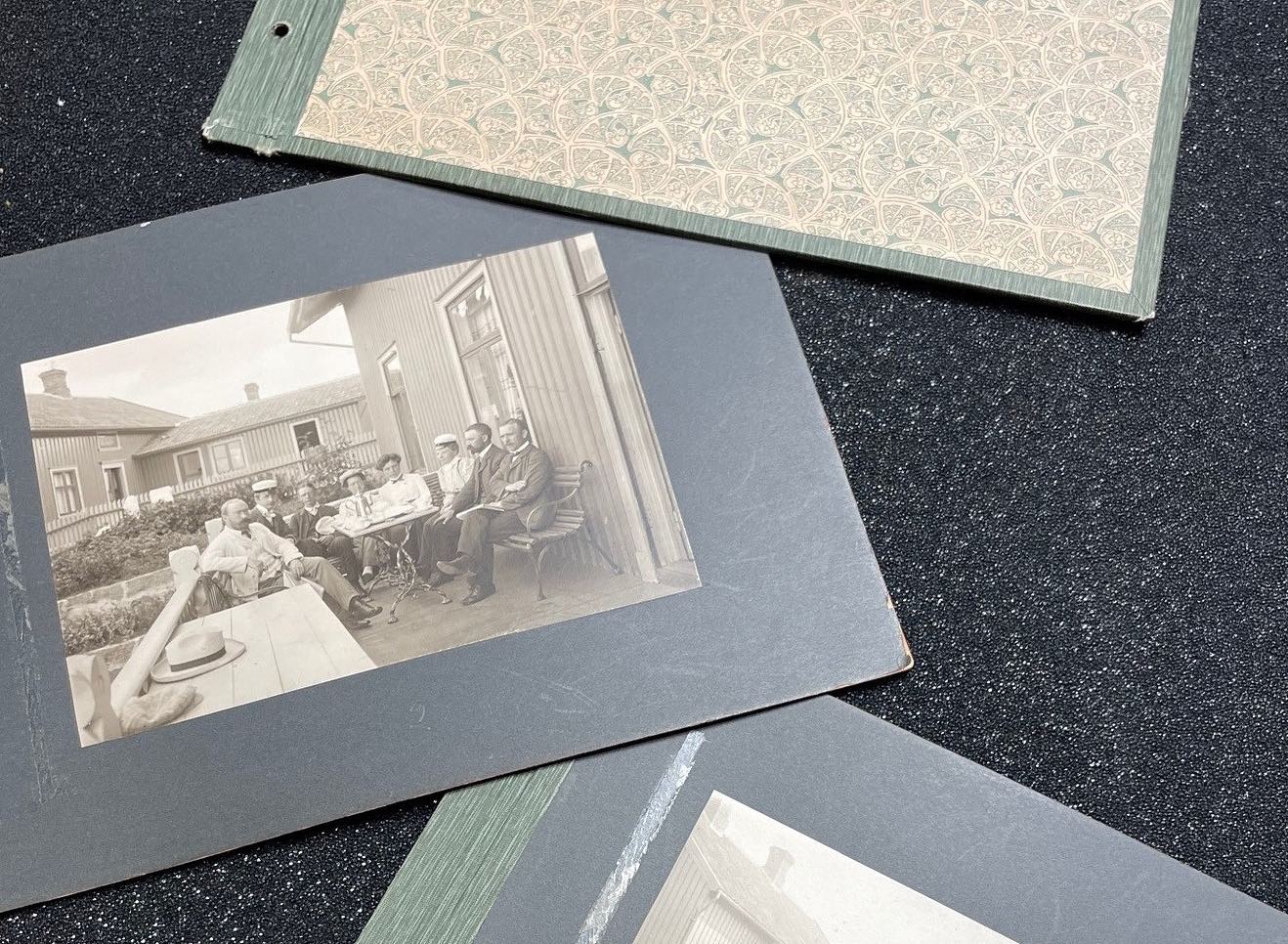
It?s Archives Day in Sweden! This year?s theme is ?Work and Play?. On that topic we have chosen a collection of photographs from our holdings. The Kristineberg Marine Zoological Station was founded in 1877, making it one of the world?s oldest stations of its kind. In 2008 it was transferred from the Royal Swedish Academy of Sciences to another principal. Beautiful situated on the Westcoast of Sweden and with a rich marine fauna, the station attracted researchers and visitors of different types, from professors and students to schoolteachers who visited to study sea organisms for longer or short periods. Sometimes the visitors brought their families. Every summer between 1906-1938 the visitors and staff gathered on the veranda for a group photo while coffee was served. We hope you will enjoy a short travel through time with a few samples from the albums. Apart from the changing in clothing and hats, you can see that time passes through the tree that grows in the background. ? Image 1: For better preservation, the albums have been carefully disassembled. Image 2: the first year, 1906. Image 3: 1920. Image 4: 1930. Image 5: The last year, 1938.
2024-10-08
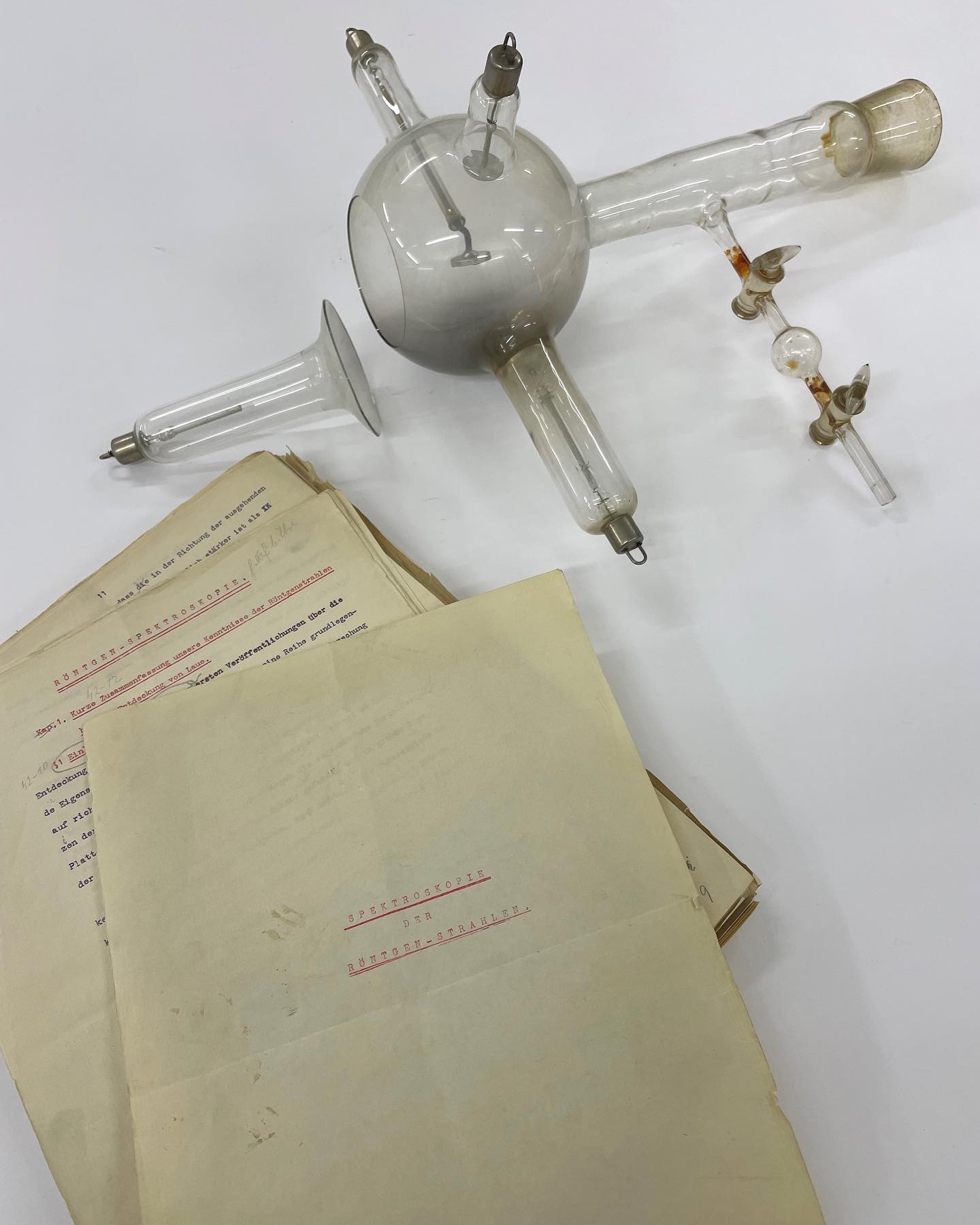
Today the Swedish Academy of Sciences decided to award John J. Hopfield and Geoffrey E. Hinton the 2024 Nobel Prize in Physics. Warmest congratulations to the two laureates! In 1925 the reserved Nobel Prize in Physics from 1924 was awarded to Manne Siegbahn (1886-1978) “for his discoveries and research in the field of X-ray spectroscopy” Siegbahn’s early research dealt with problems of electricity and magnetism, but he soon focused on work in the field of X-ray spectroscopy using new methods and new self-designed instruments. He published his findings in the book “Spektroskopie der Röntgenstrahlen” in 1923. Siegbahn was elected member of the Swedish Academy of Sciences in 1922 and in 1937 he became the first director of the Academy’s newly established research institute for experimental physics. The image is showing an early X-ray tube from said research institute and the typewritten manuscript of “Spektroskopie der Röntgenstrahlen” from the Siegbahn papers in our holdings #centerforhistoryofscience #historyofscience #nobelprize #xrays #historyofphysics #theswedishroyalacademyofsciences #historicalinstruments #fromthecollectionsofthersas #historyofnobelprize
2024-03-27
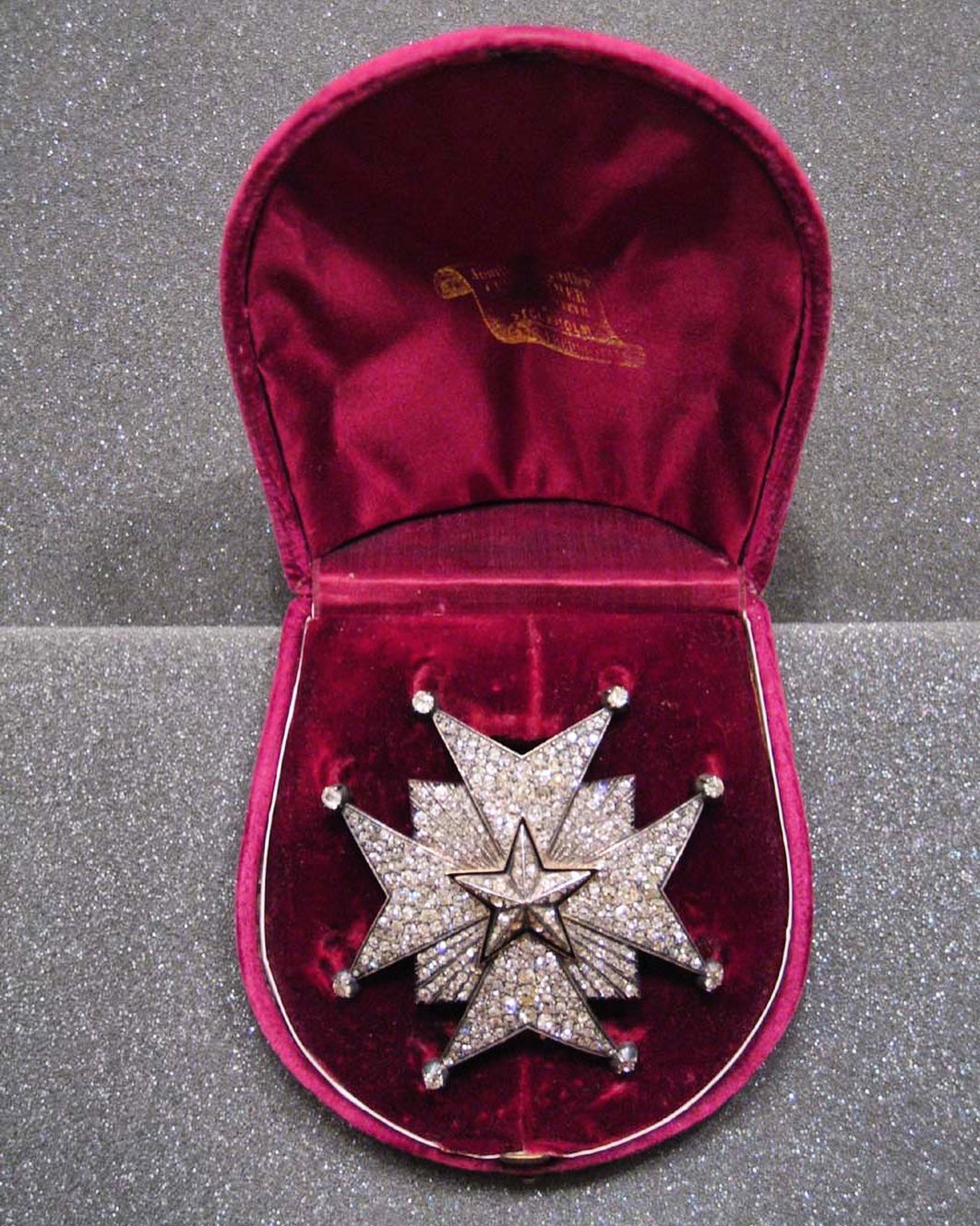
Commander Grand Cross of the Royal order of the Polar Star with brilliants, awarded to Adolf Erik Nordenskiöld in 1880 after his return with the Vega expedition. Nordenskiöld’s insignia is part of the Nordenskiöld collections donated to the Academy but is deposited with Kungl. Maj:ts Orden at the Royal Castle in Stockholm. It was most likely made by the jeweller Christian M. Hammer (1818-1905) The Swedish honours system with orders and decorations was created by king Fredrik I in 1748. However, the initiator of the proposition was Carl Gustaf Tessin. The proposition was authored either by Tessin himself or Anders Johan von Höpken and then signed by Carl Hårleman before it was delivered to the Parliament. Tessin, von Höpken and Hårleman were all three members of the Royal Swedish Academy of Sciences. The proposition suggested the introduction of three orders of which one was the future Kungliga Nordstjärneorden (the Royal Order of the Polar Star). The Order of the Polar Star was intended as a reward for Swedish and foreign ”civic merits, for devotion to duty, for science, literary, learned and useful works and for new and beneficial institutions”. In 1972 the Swedish Parliament decided that Royal Swedish orders would no longer be awarded to Swedish citizens as it was considered an outdated phenomenon. As of 2023 a modern version of the old honours system with Royal orders has been reinstated. This year Svante Pääbo and Anne L’Hullier will both be awarded with Commander Grand Cross of the Polar Star for their outstanding research efforts. Both Pääbo and L’Hullier are Nobel Prize laureates as well as members of the Royal Swedish Academy of Sciences.
2024-02-20
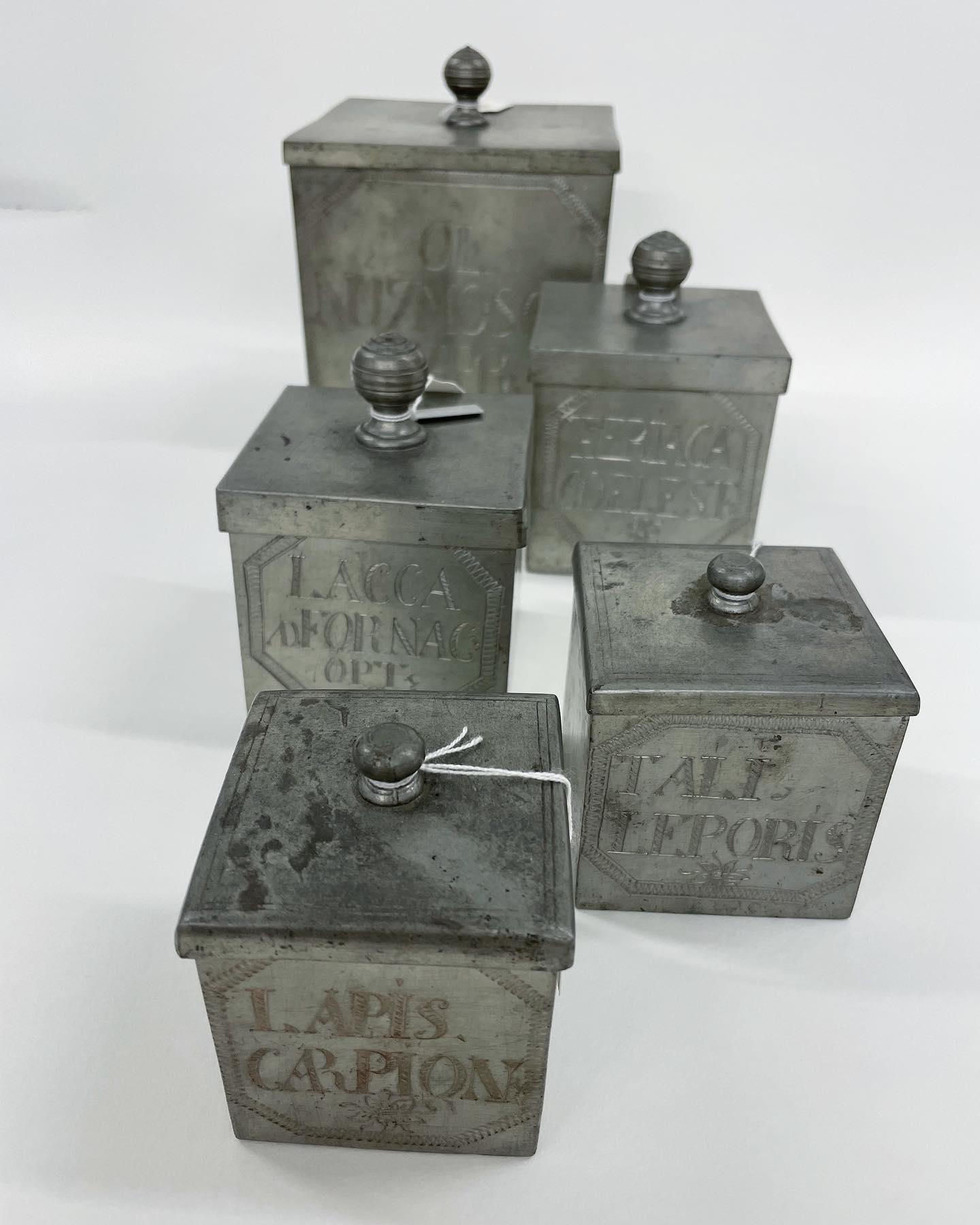
Set of pewter cubical dry measure, manufactured by Georg Stiernhielm in 1664 for the Admiral of the Realm, Gustav Otto Stenbock. Georg Stiernhielm (1598-1672) was the first to introduce cubical measures in Sweden after he had been commissioned by the government to reform the Swedish weight and measurement system. In 1662 he demonstrated a series of cubical pewter measures to the ?Kammarkollegium? (a government agency for legal, financial, and administrative services). Two years later in 1664 the ?Kammarkollegium? ordered that this new type of vessels should be sent as standard measures to all county administrations in Sweden. Normally the common people were very conservative and difficult to get on board with changes imposed by the government. However, they quickly accepted the cubic vessels which they called ?kappar?, since it was much easier to check that they held the correct volume than the old ones. Each farmer could easily have the correct measurements carved into a cane to bring to the market. Despite the positive response to cubic measures, it was not until 1733 that the use of round measuring vessels for dry goods was prohibited.
2024-01-24
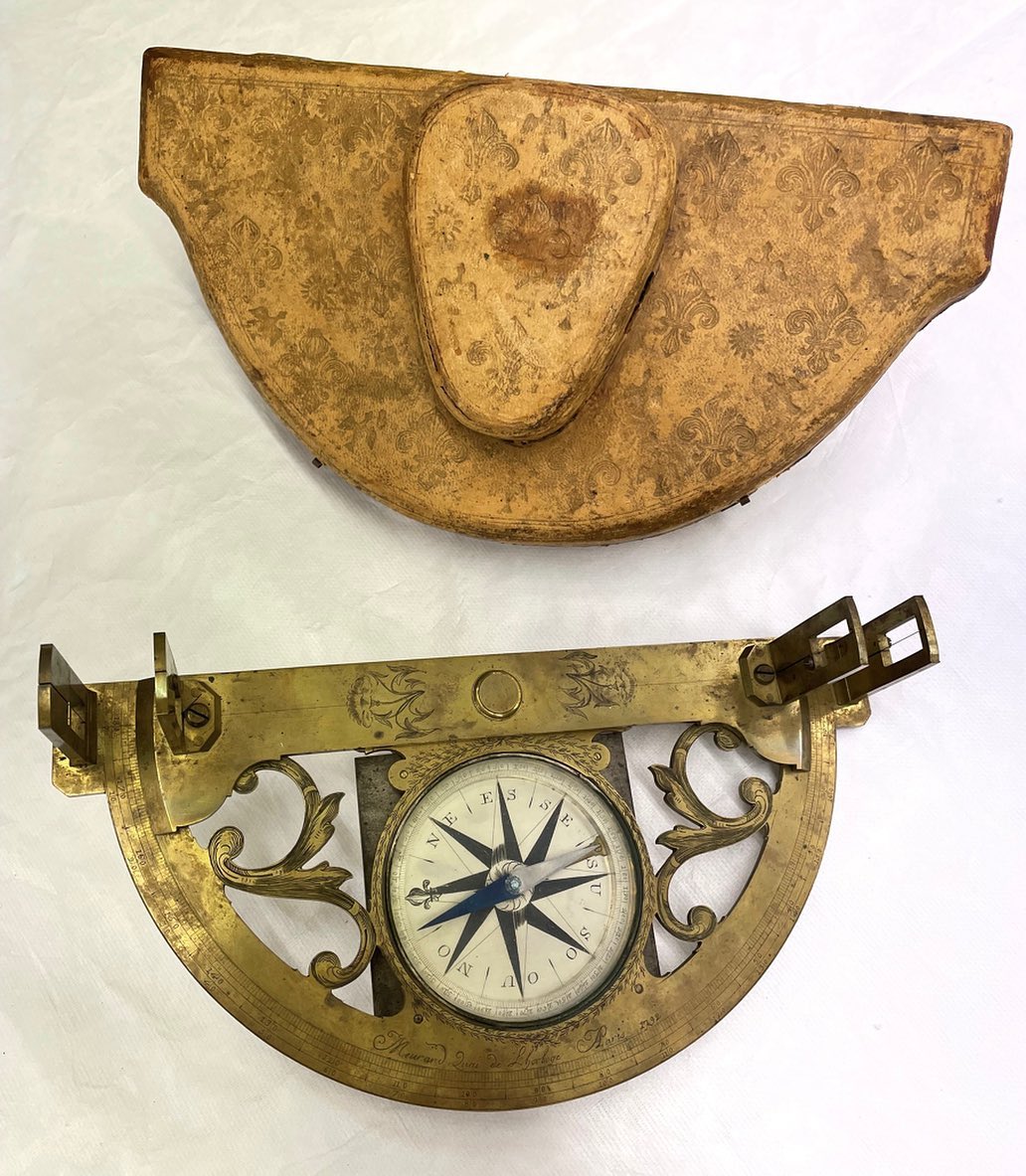
Brass graphometer with accompanying leather case. The graphometer or semicircle is a surveying instrument used for angle measurements. The instrument is signed “Meurand Quai de L’horloge à Paris 1792 ». The family name Meurand refers to father and son instrument makers in Paris, the father, Antoine Joseph Meurand, was active 1750-1805 and his son Charles Joseph from 1771 to around 1820. The leather case is imprinted with a pattern of French lilies, suns, and birds. The instrument was donated to the Royal Swedish Academy of Sciences by the national authority of land survey in 1857. #scientificinstruments #geodesy #landsurvey #geodesi #lantmäteri #graphometer #avvägningsinstrument #historyofscience #instrumentcollection #historyofmaps #centerforhistoryofscience #royalswedishacademyofsciences #vetenskapsakademien #centrumförvetenskapshistoria #vetenskapshistoria
2023-12-18
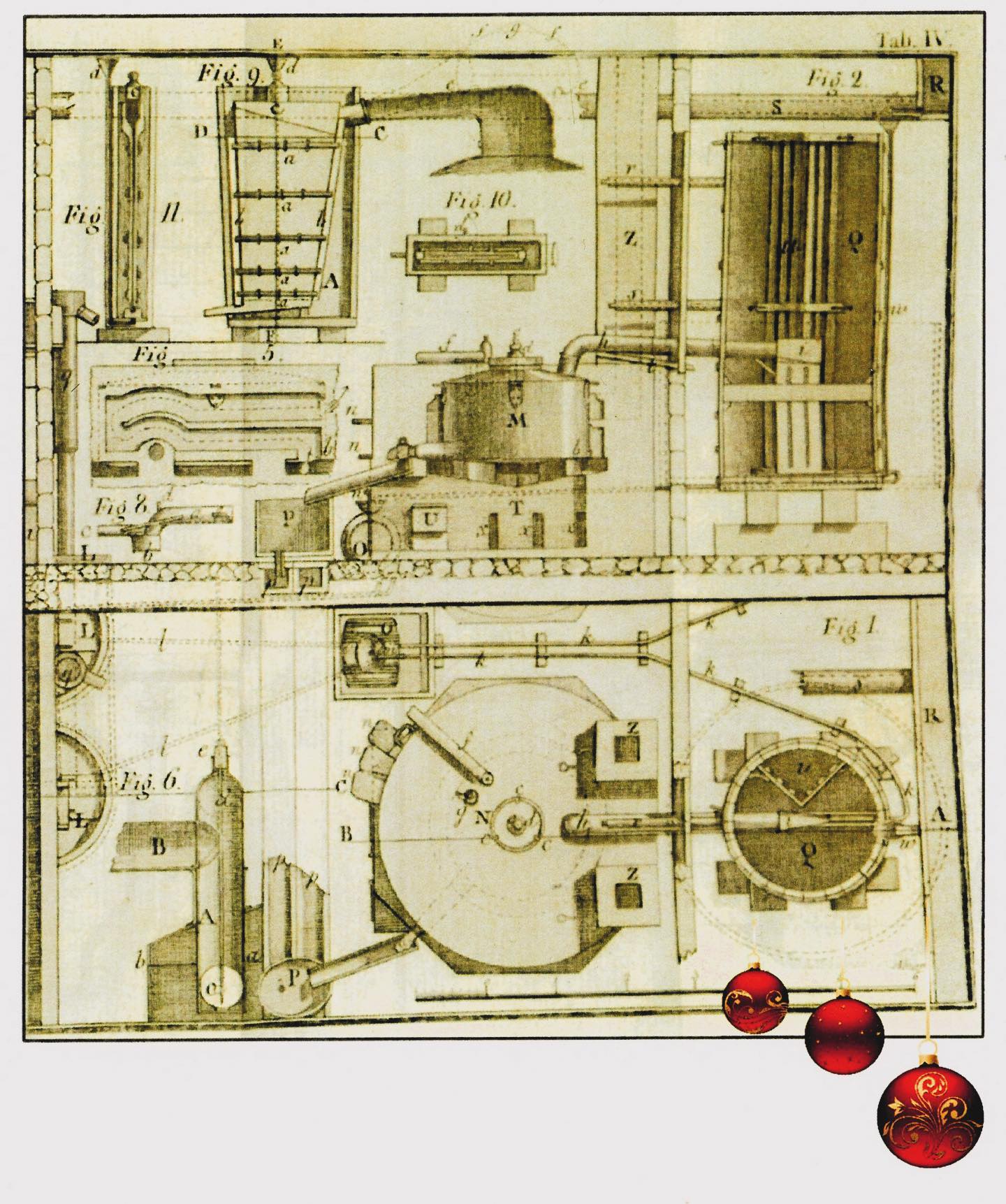
With this year’s Christmas greeting, we consider the inventor Johan Erik Norberg (1749-1818). He was commissioned by the Swedish Admiralty, but also contributed with his construction of the mist cooler to improve vodka production. This construction drawing is described in the Proceedings of the Royal Swedish Academy of Sciences in 1799 with the title “Description of several improvements of Vodka (Brännvin) tools”. The construction had advantages such as: “Thereby healthier vodka is obtained” and “that more vodka is produced”. Successful tests were carried out and he was awarded a 25-year privilege to manufacture “distilling equipment of mist coolers, mist conductors, spray conductors, mist keeper and heat meter”. Of course, the Center for History of Science also recommend non-alcoholic alternatives for holiday season toasting. From all of us – to all of you: 🎄GOD JUL & GOTT NYTT ÅR!🎄
2023-12-05
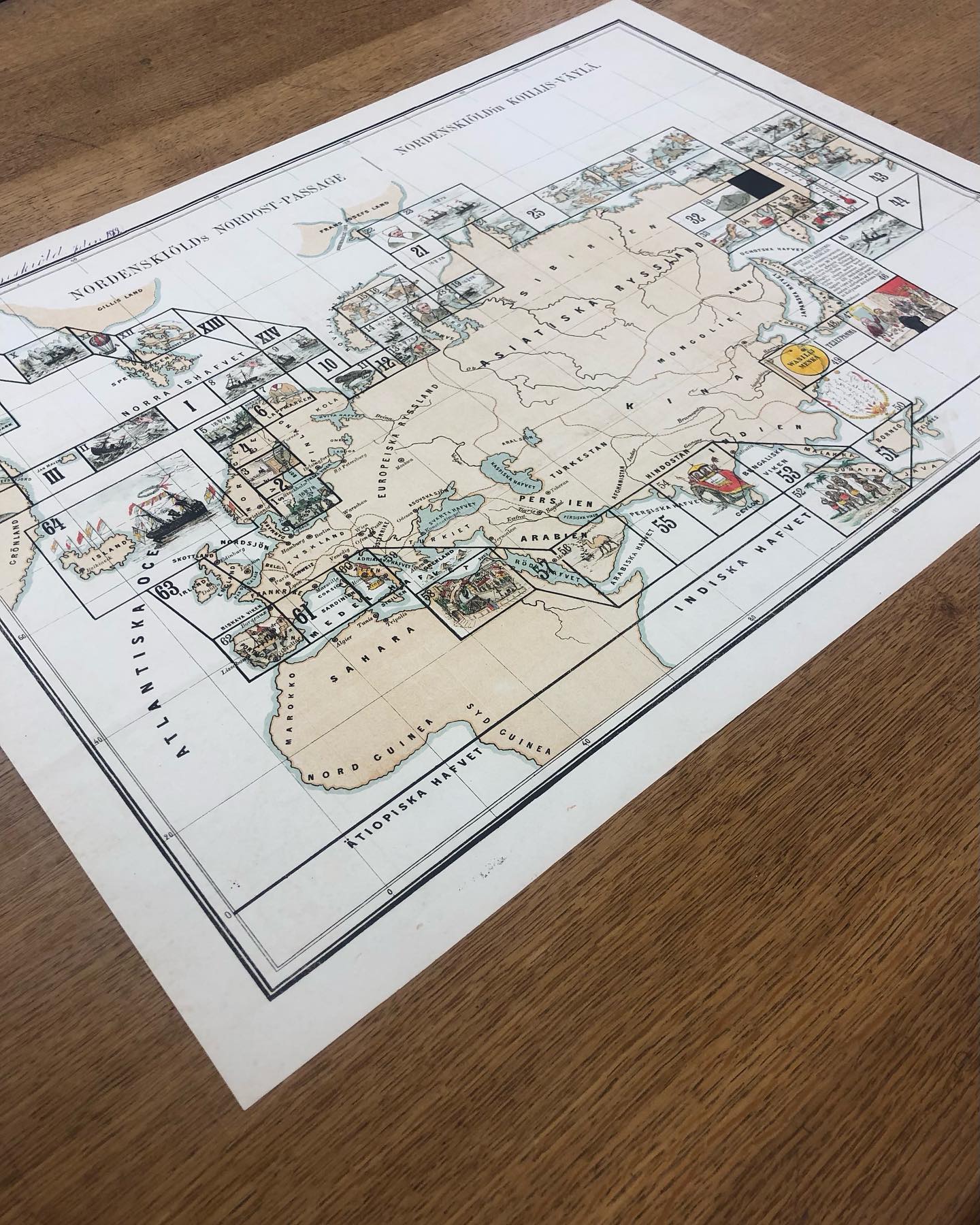
The “Christmas gift of the year” appointed every year by the Swedish Trade Federation is for 2023 the board game! In the extensive archive of the mineralogist and arctic explorer A. E. Nordenskiöld we find the board game called “Nordenskiölds Nordostpassage” (Nordenskiöld’s Northeast passage) which in a Newspaper advertisement in December 1879 was described as a “new dice game, which will surely win over many buyers and friends. Its intention is not only to bring amusement, but also to make youngsters aware, in a charming way, of our renowned countryman’s voyage of discovery and the regions it covered”. This copy of the game was a Christmas gift to Nordenskiöld’s oldest son Gustav in 1879, a few months before his famous father was to return from his successful expedition on the ship Vega. The player who first gets 7 by throwing the dices becomes Nordenskiöld and will be addressed “Herr Commander” during the game. A small booklet of instructions was originally included, explaining the various squares. You would receive or loose various number of marks depending on the situation described. Passing square 34 depicting a bottle of Swedish aquavit you could maybe land on number 36 where you see the expedition leaders enjoying what seems to be a Christmas festivity, while the booklet rules inform the player that “you find the body of an older North Pole voyager and treasures to a value of 10 marks”. Hopefully the voyager was still alive and could get into the Christmas spirit.
2023-11-11
It’s Archives Day in Sweden! An annual event when archives display items from their collections on a certain theme. This year’s topic is “Shape and Colour”. Please enjoy these contributions from our holdings. “On the determination of Colours in Natural History”. by Gustaf Johan Billberg published in 1813 in the proceedings of the Royal Swedish Academy of Sciences. Billberg argued as there were too many non-uniform terms to describe the same colour, it caused confusion in scientific descriptions. To remedy this he suggested standardized words to describe different shades. A hand-coloured scheme is attached to the text to show how the colours were connected to the new terminology. 🔴 In 1787 the silk manufacturer Adrian Hardt (1734-1795) sent samples of dyed wool and silk threads to the Academy. The dye had been extracted from species of lichen, commonly known as “orchella weed” (Swedish: orselj, French: Orseille). The threads were displayed a meeting on the 9th of May 1787 and the members were delighted with the product. They expressed “their extraordinary pleasure for this beautiful workmanship” and congratulated Hardt on his presumed success with this endeavour. There is no telling if he made money with the method, but his samples are still in the archive for us to admire. 🔵 Pear-wood crystal models ordered in Paris 1819 from the French mineralogist René Haüy, by the chemist Jacob Berzelius. Haüy is often called the Father of Modern Crystallography and he created collections of crystal models for education and demonstrations. In addition to the models, you can also find Haüy’s letter and bill for the cost in the archive. 🟡 Phenakistoscope from the 1840s. A device that create a fluent illusion of motion to painted images an early form of moving media. It was invented almost simultaneously by the Belgian physicist Joseph Plateau and Austrian physicist Simon von Stampfer in 1833. A spinning cardboard disc is attached vertically to a handle. Around the edge of the disc are small openings and when the disc was spinning the user would look through the moving slits at the image reflected in a mirror. A version uses two discs that turns in contra-rotation.
2023-10-03
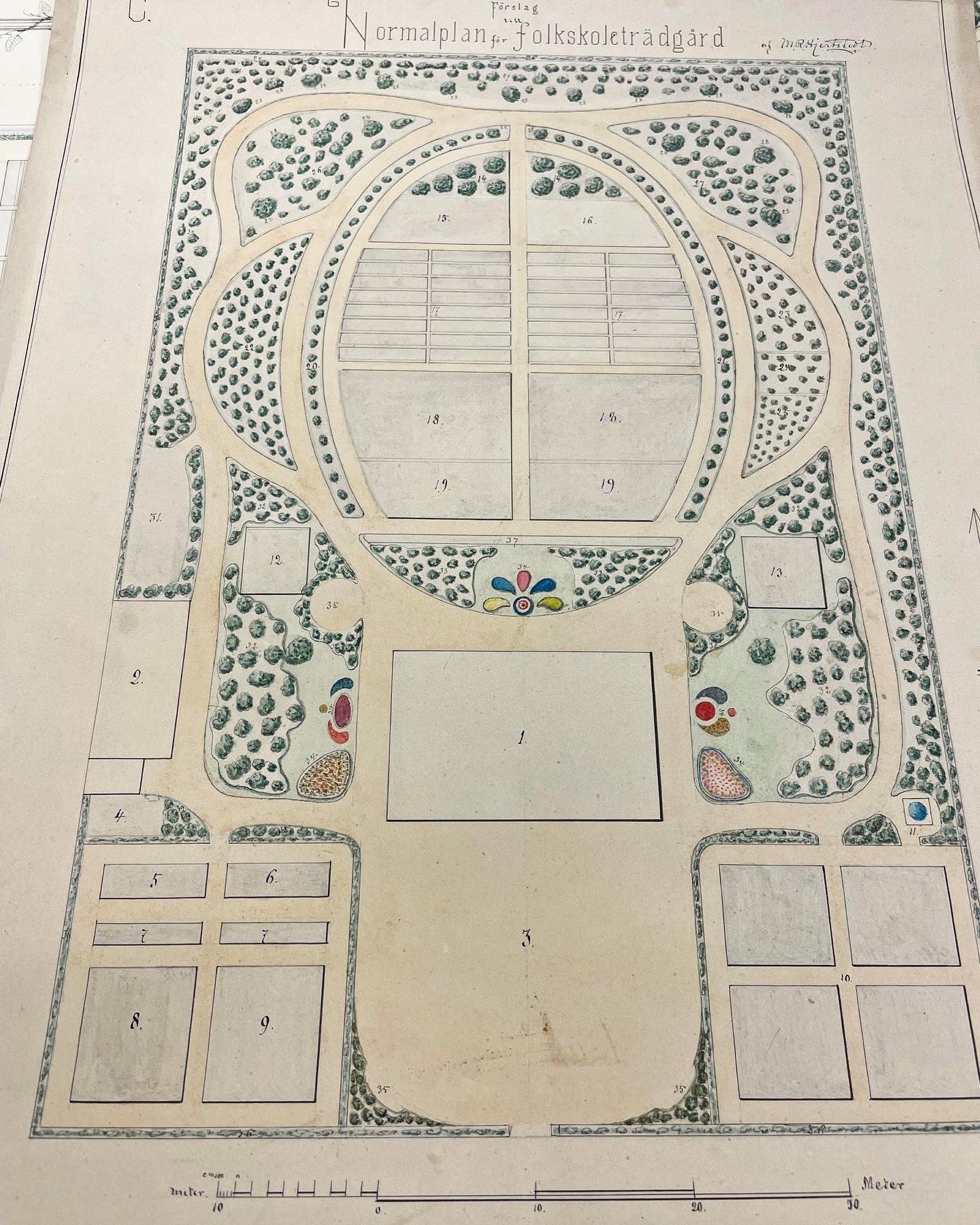
Three sample plans of School gardens from the second half of the 19th century. The Swedish compulsory primary school was established in 1842 and the early outlined standards stated that the teacher should have a piece of land where he or she could grow vegetables for personal use as well as teach the pupils gardening and tree planting. The children should learn cultivation for household needs and pass the knowledge of good and healthy food on to their parents. 🍎 In the first curriculum from 1878 this idea was further developed, emphasizing that each school should have a minimum of three-hectare land dedicated to the school garden. The teaching of garden and botany was supposed to implement “the love of nature and the motherland” with the students. 🫛 Examples of school garden layouts were published in 1890 in “Normalritningar till Folkskole-trädgårdar”, in our holdings we preserve several of the original drawings that was made for the publication. 🧅 With the increased urbanization the need of household cultivation was reduced, and that also led to a lack of interest in school gardening. In the 1960’s the gardens ware almost completely gone and in the 1970’s the school system of Sweden was changed, and a new primary school was introduced without gardening stated in the curriculum. 🌱🌳🌼
2023-06-23
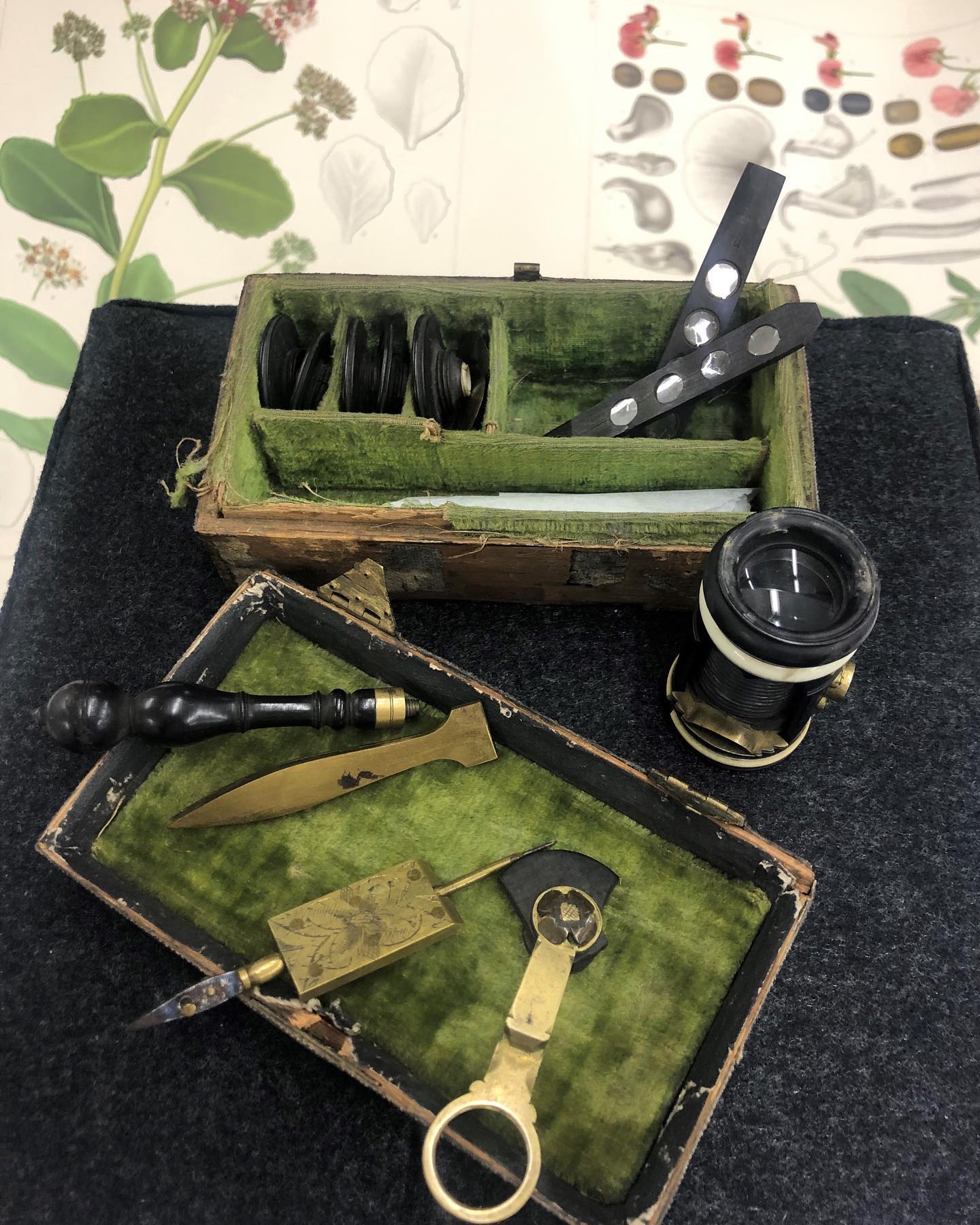
Midsummer is upon us and it?s time to stop and smell the flowers. And perhaps look at them little closer. An appropriate accessory could be a pocket microscope of the Wilson screw-barrel type introduced to the Royal Society in 1702 by James Wilson. This one has all the trimmings and is found in the collections of the Royal Swedish Academy of Sciences. It is of English manufacture, mid-18th century, and used to belong to Carl Johan Wilcke, the Academy?s permanent secretary 1784-1796. Happy midsummer! ?? #centerforhistoryofscience #theroyalswedishacademyofsciences #scientificinstruments #microscope #historyofscience #screwbarrelmicroscope #treasuresfromthearchives
2023-06-02
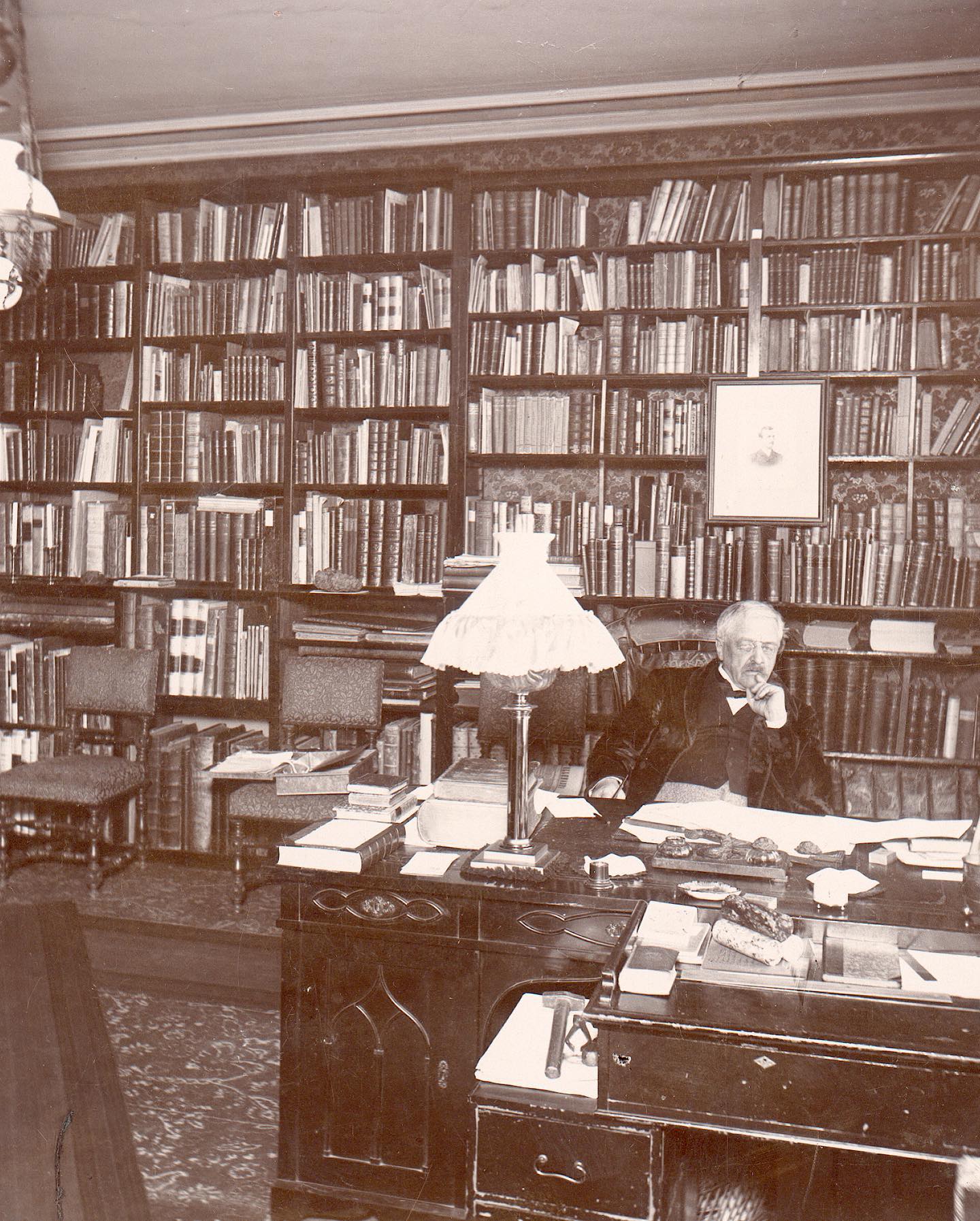
Are you yearning to get out of the office and enjoy a little fresh country air outside the city? Here is Adolf Fredrik Nordenskiöld (1832-1901) sitting in his library in his private residence which was situated in the Academy building in the city centre. Maybe he was longing to his estate at Dalbyö outside Stockholm, where we see him lazily leaning against a tree in a summer hat. Happy weekend! 🌼 #centerforhistoryofscience #historyofscience #photoarchive #nordenskiöld #tgif
2023-05-22
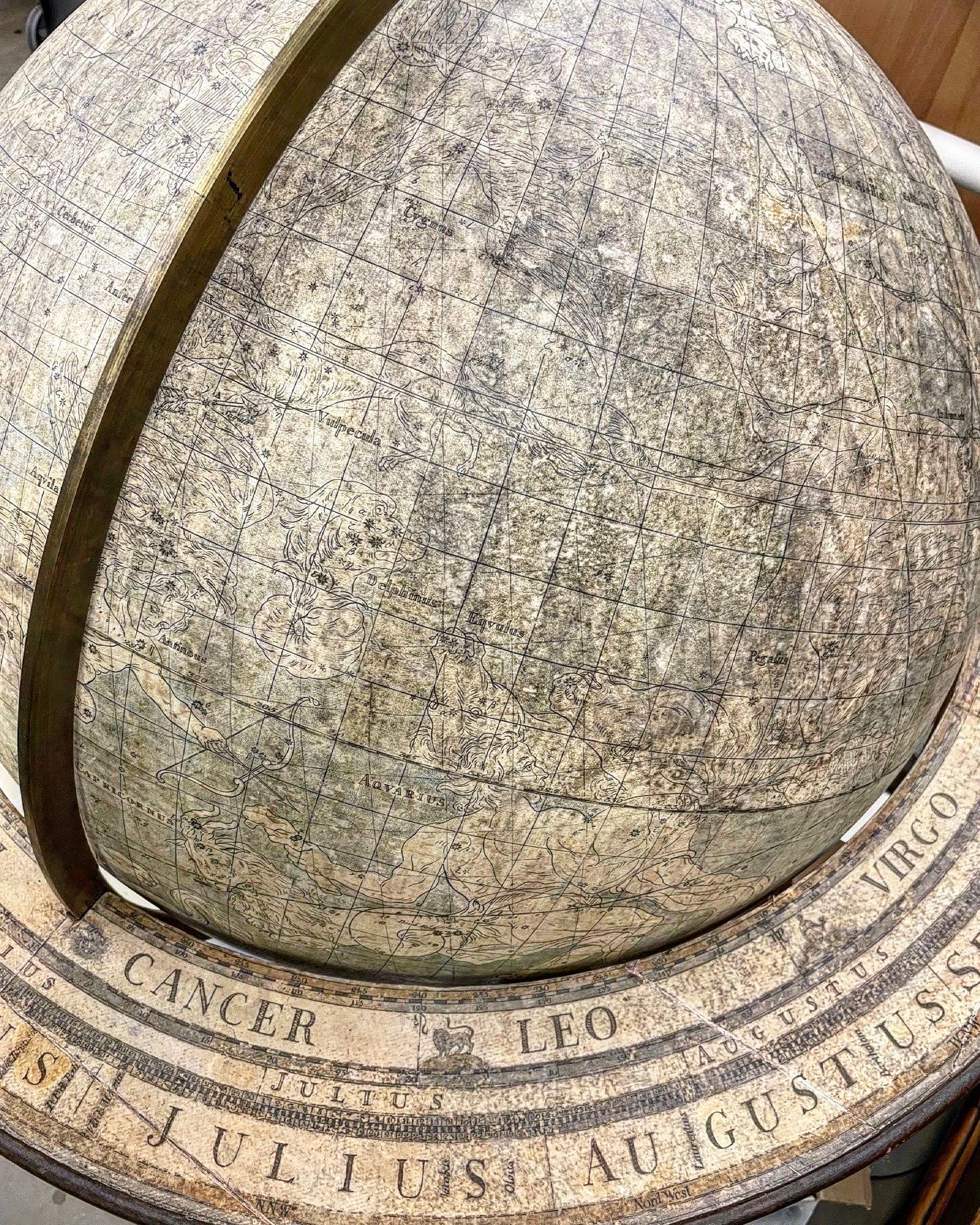
Summer season is approaching! Celestial globe with a diameter of 42,5 cm made in 1759 by Anders Åkerman (1721-1778). Åkerman had a well-known globe workshop in Uppsala which he started in the same year as this globe was made. In a short time the workshop had an extensive production but in the great city fire of Uppsala 1766 a large part of his globes were destroyed. Åkerman resumed production immediately and produced over 90 globes between 1766 and 1770. When Åkerman died in 1778 the workshop was taken over by the Academy of Science under the direction of Åkerman’s chief apprentice Fredrik Akrel. #historyofglobes #historyofscience #scientificinstrumentscollections #celestialglobe #centerforhistoryofscience #theroyalswedishacademyofsciences #collectionsofthersas #åkerman #treasuresfromthearchives
2023-05-08
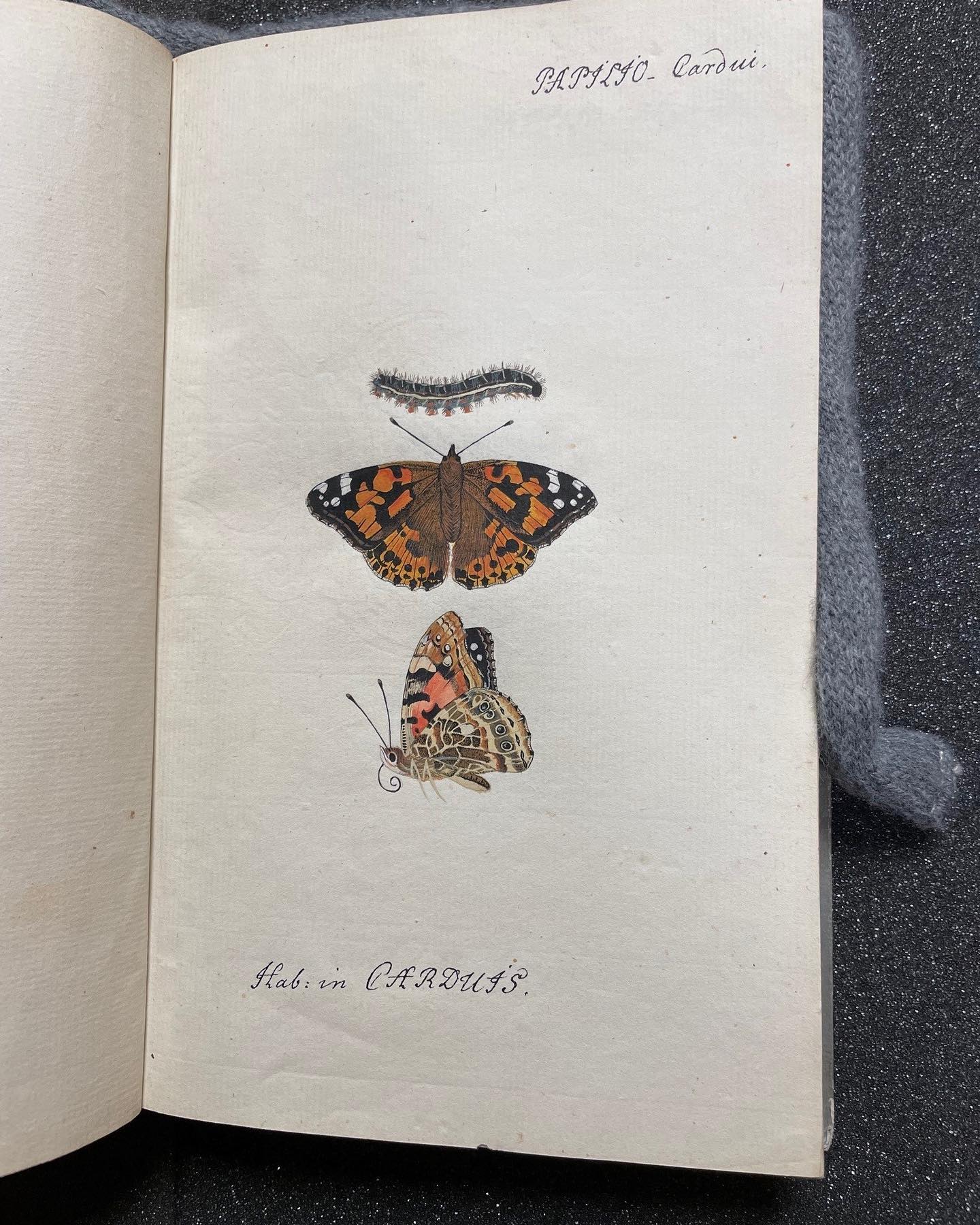
Tomorrow on the 9th of May it will be 300 years since the Linnean disciple Pehr Osbeck was born. 🌻 Pehr Osbeck (1723-1805) studied to become a priest at Uppsala university but had also a great interest in natural history. He was noticed by Linnaeus who suggested him as chaplain at one of the ships of the Swedish East India company. In the years 1750-1752 he travelled to the Canton region of China where he spent several months studying the flora and fauna as well as customs and habits of the inhabitants. His journal of the voyage was published in 1757 and the following year he was elected member of the Royal Swedish Academy of Sciences. In 1758 he first became priest and later vicar over the pastorate of Hasslöv and Våxtorp in the Swedish region Halland, where he lived until his death in 1805. Image 1-2: Illustrations from Osbeck’s collection of butterflies painted by a Magnus Lindgren, a poor student who stayed with Osbeck for a while. 🦋 Image 3: Letter from Linnaeus to Osbeck upon his departure to China in which Linnaeus states that Osbeck does not need an instruction as he understands everything so well and just asks him to observe everything that is different from Sweden. ⛵️ Image 4: Osbeck’s autobiographical account sent to the Academy, a procedure all members were asked to do after being elected. ✉️ Image 5: Notification of the death of Pehr Osbeck in 1805. 🪦 All documents preserved in the archives of the Royal Swedish Academy of Sciences at the Center for History of Science.
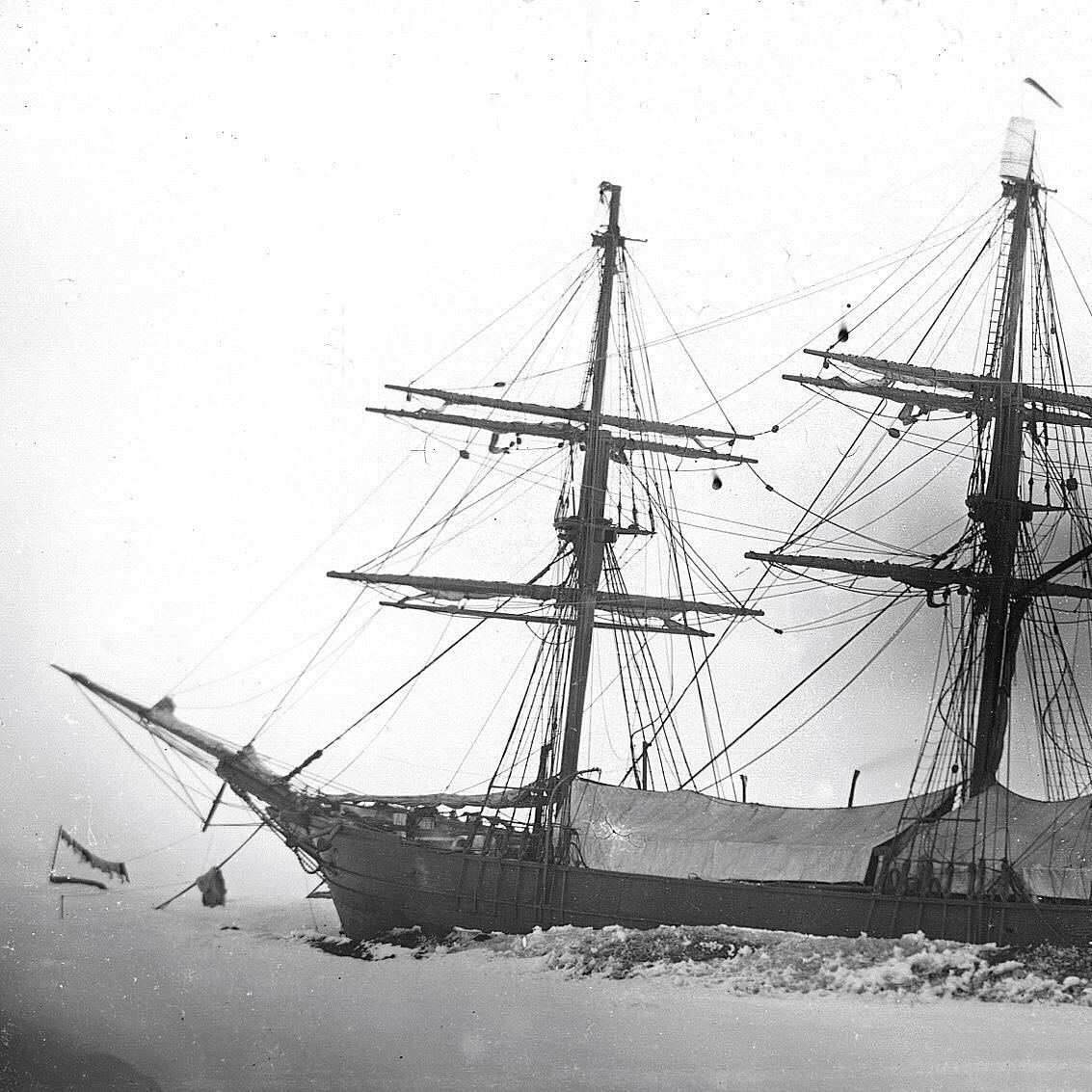
2023-04-24
Today is “Vega day” in the Swedish calendar. The Vega expedition (1878-1880) was the first expedition to navigate through the entire Northeast Passage. The expedition is named after the steamship Vega and the leader of the enterprise was Adolf Erik Nordenskiöld who has led several prior arctic expeditions. The thought of a northern sea route to Asia was an old one and several attempts had been made to find a navigable passage. Vega returned to Stockholm on the 24th of April 1880 and was welcomed by a capital in a celebrative mood, the royal castle beaming with lights and the inhabitants out on the streets cheering and honouring the returning heroes. 🎉 Image 1: The ship Vega stuck in the ice at Pitlekai. The expedition had to winter in Siberia as the ship couldn’t move through the thick pack ice. The members used the time for investigations of the surroundings and they spent a lot of time getting to know the Chukchi people living there. 🧊 Image 2: Adolf Erik Nordenskiöld photographed on Vega. ⚓️ Both photos were taken by the captain Louis Palander and the original glass plates are kept in the Nordenskiöld collection at the Center for History of Science.
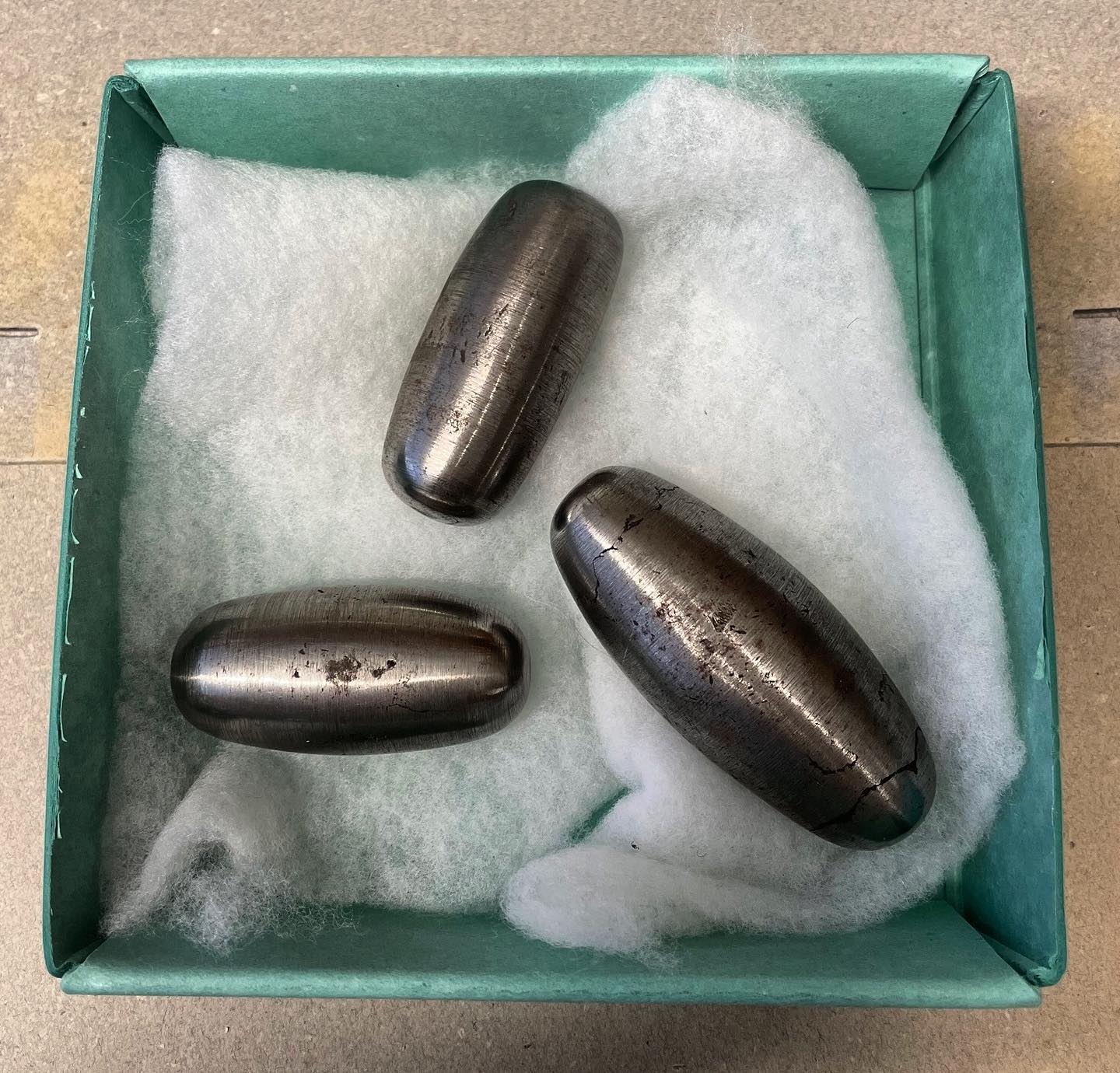
2023-04-05
Eggs shaped pieces of iron to test the strength of magnets that once belonged to Johan Carl Wilcke (1732-1796). Wilcke was an experimental physicist, elected member of the Academy of Sciences in 1759 and served as the Academy?s secretary 1784-1796. Happy Easter! ?? #centerforhistoryofscience #historyofscience #theroyalswedishacademyofsciences #collectionsofthersas #instrumentcollection #historyofphysics #experimentalphysics
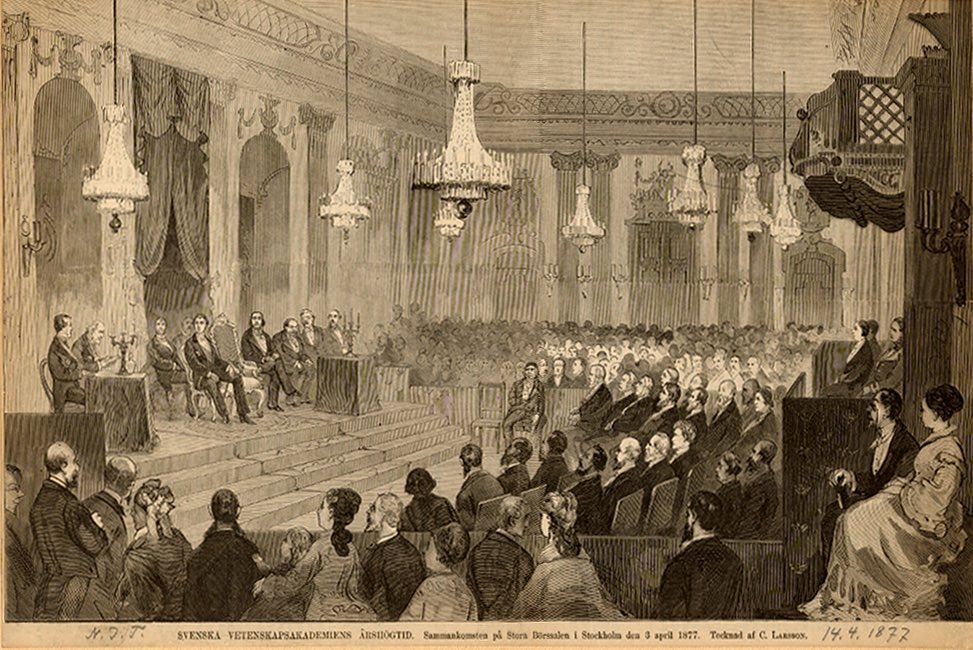
2023-03-31
Illustration in “Ny Illustrerad Tidning” (New Illustrated Magazine) from the year of 1877 showing the Annual meeting of the Royal Swedish Academy of Sciences drawn by the Swedish artist Carl Larsson. The idea of having an annual festive and informative public meeting was initiated by The Academy’s permanent secretary Jacob Berzelius in 1821. Berzelius’ intention was to make new scientific knowledge more available outside the Academy. He thought it to be a “respectful obligation towards the public to at least once a year give an account of what has been accomplished”. For a long time, the meeting thus included reports of scientific progress in different fields such as botany, physics, chemistry, zoology etc. presented by Academy members that held an expertise within the relevant field. In addition award ceremonies for different prizes and rewards were held. As members of the royal house usually were present the event was often reported in the press. That the celebration date was established to be the 31st of March, the anniversary of the King’s approval of the Academy’s rules in 1741 and not the date of the first founding meeting the 2nd of June in 1739 was initially a mistake and mix up of the two dates. The reports of detailed scientific news are not part of the program nowadays, but it is still a day when the Academy gives an account of its work in the past year and presents some of its biggest prizes and also welcomes new members. All in a festive setting. ✨ #kunglvetenskapsakademien #högtidsdag #theroyalswedishacademyofsciences #annualmeeting #festivities #31mars
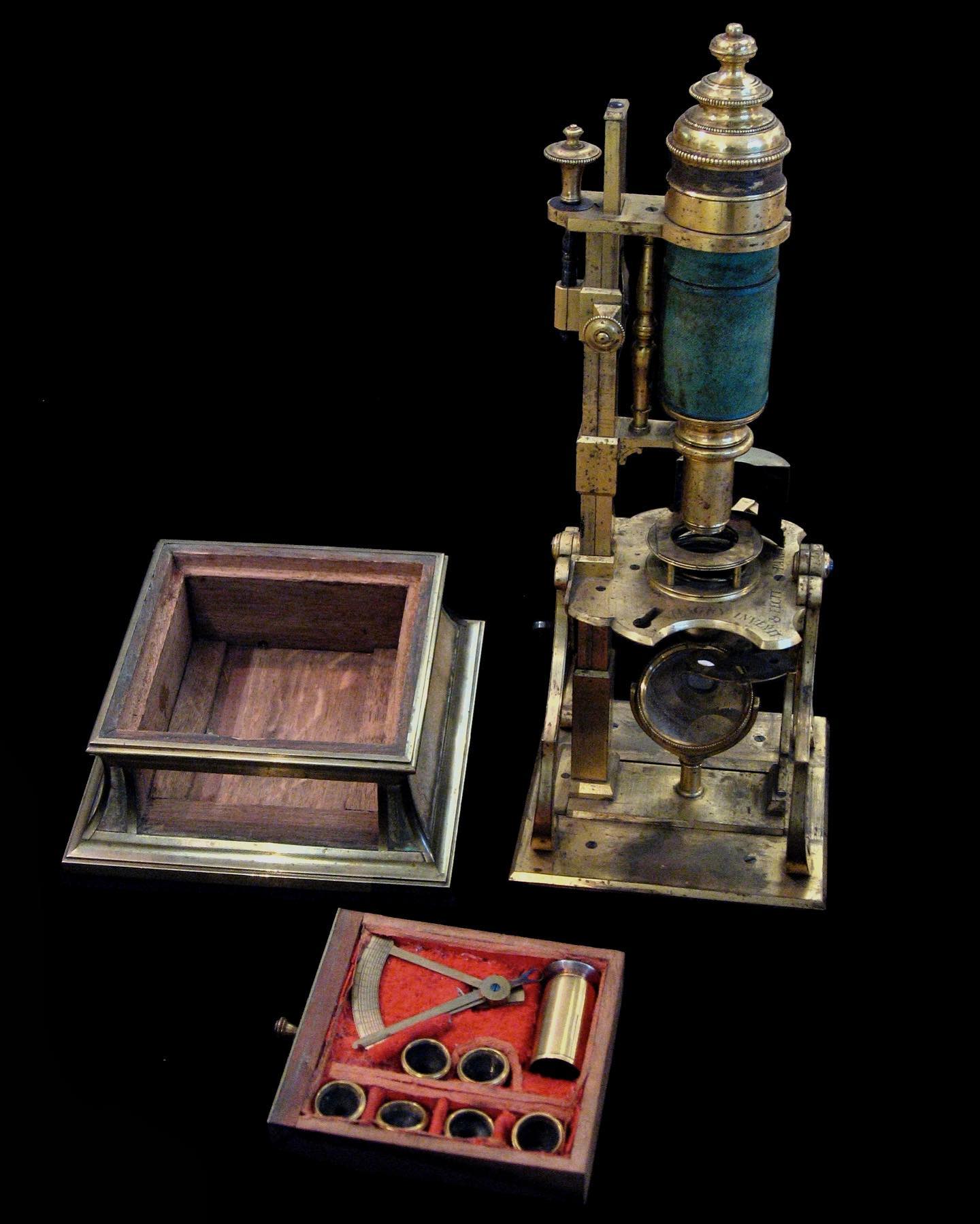
2023-03-20
Beautiful microscope with accessories made in 1752 by Alexis Magny (1712-1777) for Baron Charles De Geer (1720-1778), industrialist and entomologist. De Geer was elected member in 1739, the very first year the Royal Swedish Academy of Sciences existed when he was only 19. Apart from successfully manage the iron-works of Leufsta that he hade inherited from an uncle, he was an eager entomologist and published several articles on insects in the proceedings of the Academy. When De Geer died in 1778 his collections of insects were donated to the Academy, together with this magnificent microscope by his widow. Alexis Magny was employed by the duc de Chaulnes and made a series of artistic microscopes for clients in the nobility. Each microscope was decorated uniquely and this one also has an accompanying mahogany storage case. #centerforhistoryofscience #theroyalswedishacademyofsciences #collectionsofthersas #instrumentcollection #historyofscientificinstruments #historyofmicroscopes #instrumentmakers #historyofscience #microscopemonday
2023-03-06
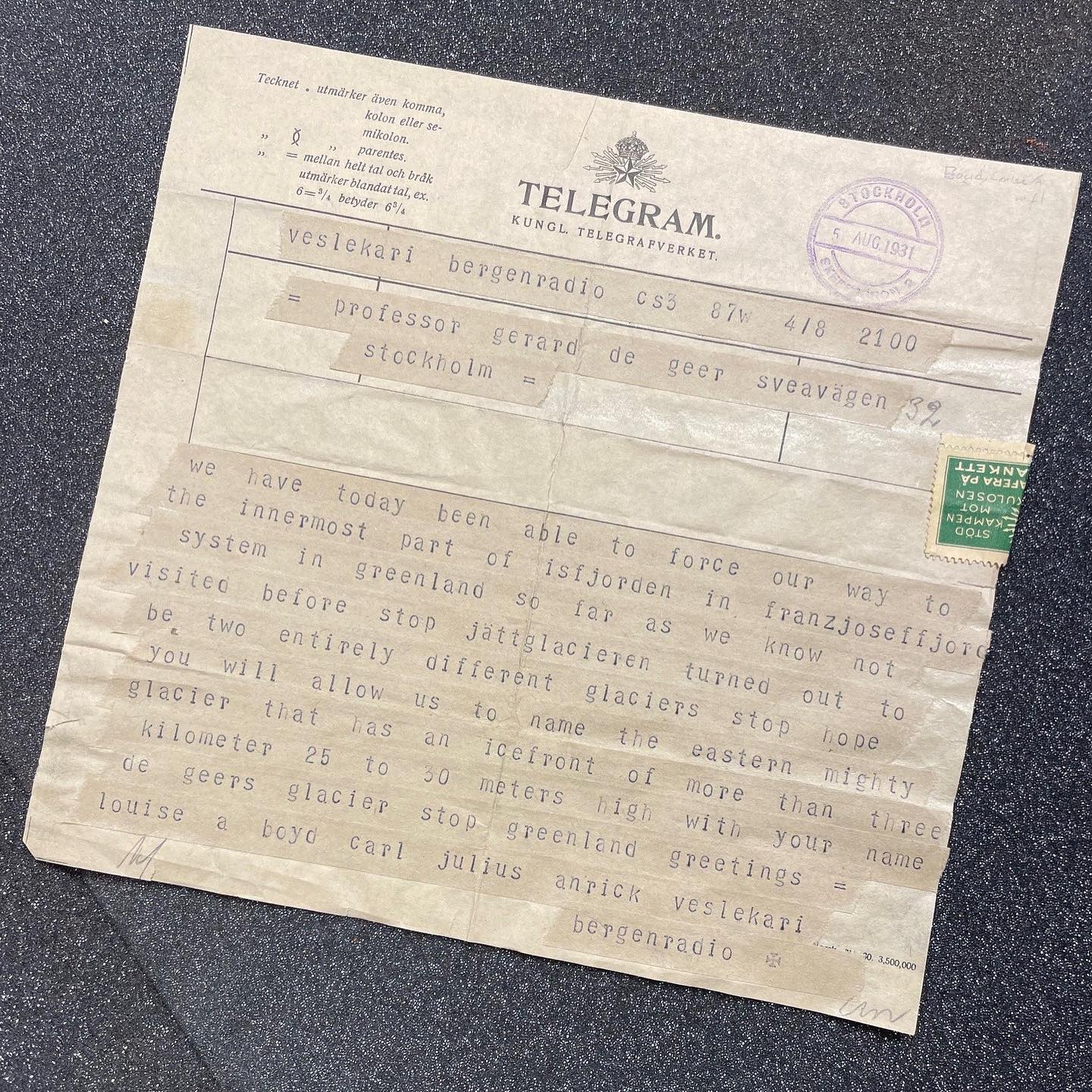
Telegram sent to Academy member Gerard De Geer (1858-1943) by Louise Boyd and Carl Julius Anrick, dated the 5th of August 1931. Anrick was a Swedish cartographer who participated in Louise Boyd’s first Greenland expedition in 1931. Louise Arner Boyd (1887-1972) was an American polar explorer and first woman to fly over the North Pole in 1955. Boyd led a series of scientific expeditions to the east and north coast of Greenland in the 1930’s. Her photographs and recorded findings, mainly botanical, was published by the American Geographical Society in the book “The Fiord Region of East Greenland”. The society also awarded Louise Boyd the Cullum Medal in 1938. In the telegram Boyd and Anrick asks permission to name a large glacier after the Swedish geologist Gerard De Geer who had also participated in several expeditions to the Artic regions. De Geer accepted the flattering suggestion and the glacier on north-eastern Greenland is now known as Gerard de Geer Gletscher. #centerforhistoryofscience #royalswedishacademyofsciences #collectionsofthersas #historyofscience #historyofcartography #polarhistory #polarexpedition #gerarddegeer #louiseboyd #archivalfinds #glacier #ettbrevbetydersåmycket
2023-02-20
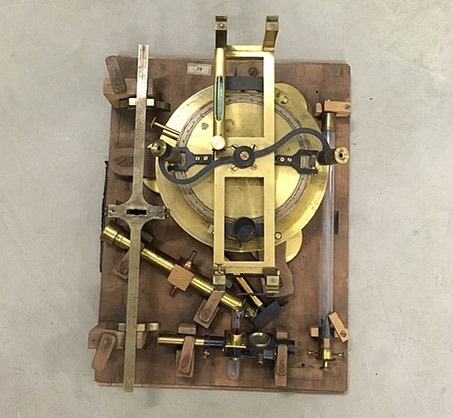
Magnetic theodolite of Lamont’s design made by Jones in London 1850. The instrument was used during the round-the-world sailing trip with the frigate “Eugenie”. It was the first around-the-world voyage using a Swedish warship. The main purpose of the initiative was to promote Swedish worldwide trade, but the Swedish Academy of Sciences also got to appoint a few participants to carry out scientific observations during the journey. The observations made in Zoology, Botany and Physics were later published by the Academy. Sadly, the geomagnetic measurements made during the trip was considered quite inadequate due to the imperfect construction of the instrument as well as the poor implementation. #centerforhistoryofscience #centrumförvetenskapshistoria #historyofscience #theroyalswedishacademyofsciences #kunglvetenskapsakademien #theodolite #scientificinstrumentscollections #arountheworldtrip #fregatteneugenie
2023-02-06
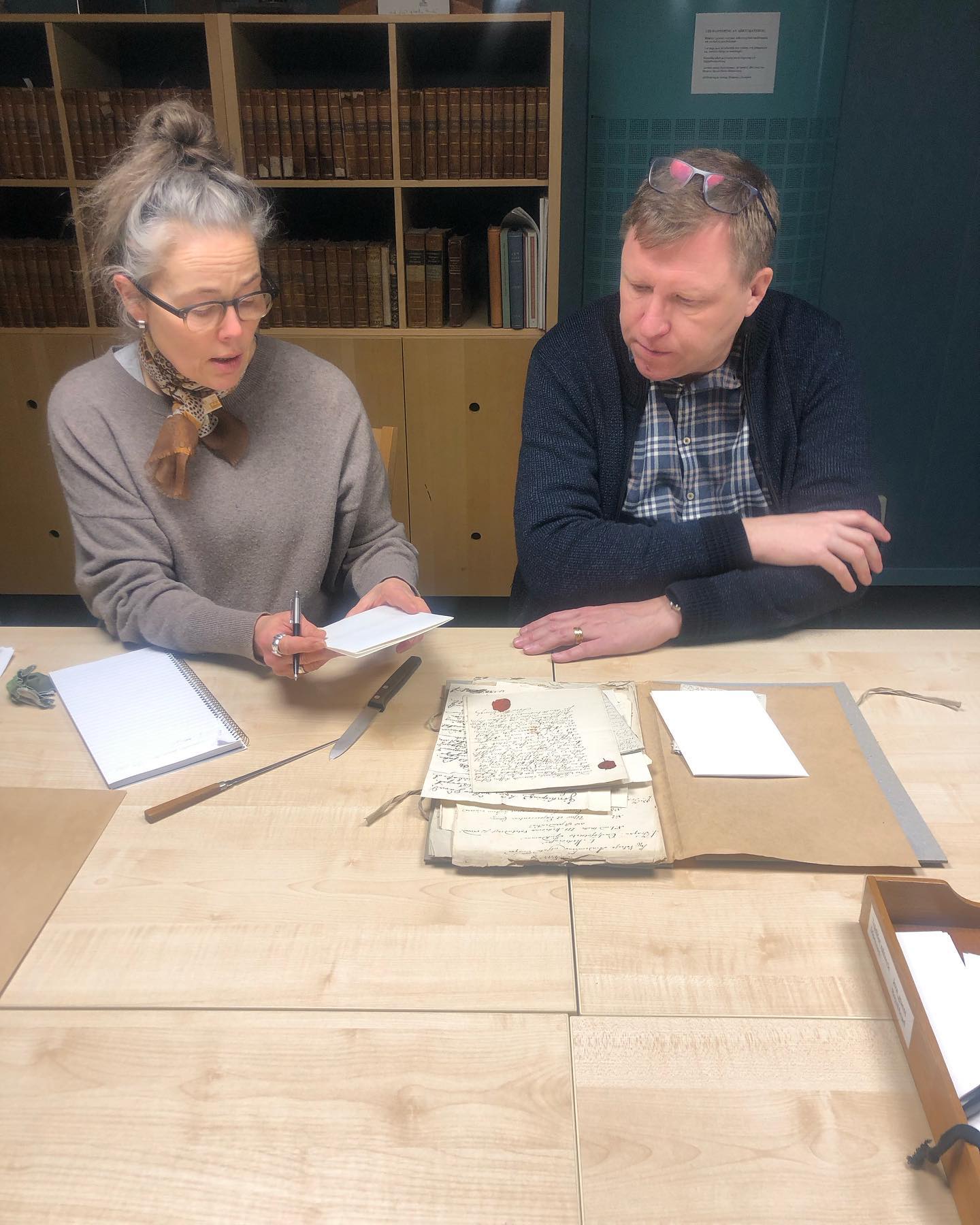
The director and one of the archivists of the Center in the process of opening notes that has been sealed since the 18th century. From the first year of the Royal Swedish Academy of Sciences (1739) it was decided that, like other European learned societies of the time, this new organisation should have so called ?prize questions?, where the citizens could send in suggested answers to posed questions ? mainly of practical nature. It was not a success to start with, perhaps because the new Academy had very little funding for the reward. A few decades later the idea was picked up again with greater success. The questions were posed in the newspapers. The answers were then to be sent to the Academy anonymous, they should be cleanly written by an unknown handwriting and signed with a motto. The same motto should be written on a sealed note in which the author?s name and residence were found. Only the note of the winning entry was opened. The reward was a gold medal, and the answer was published in the proceedings. This year, about 250 years later, we opened the remaining notes that were still sealed to be paired with the not winning entries that we hold in the archive. #centerforhistoryofscience #historyofscience #theroyalswedishacademyofsciences #collectionsofthersas #archivalworkisfun #revealingtimes #sealedanddelivered #prizequestion
2023-01-23
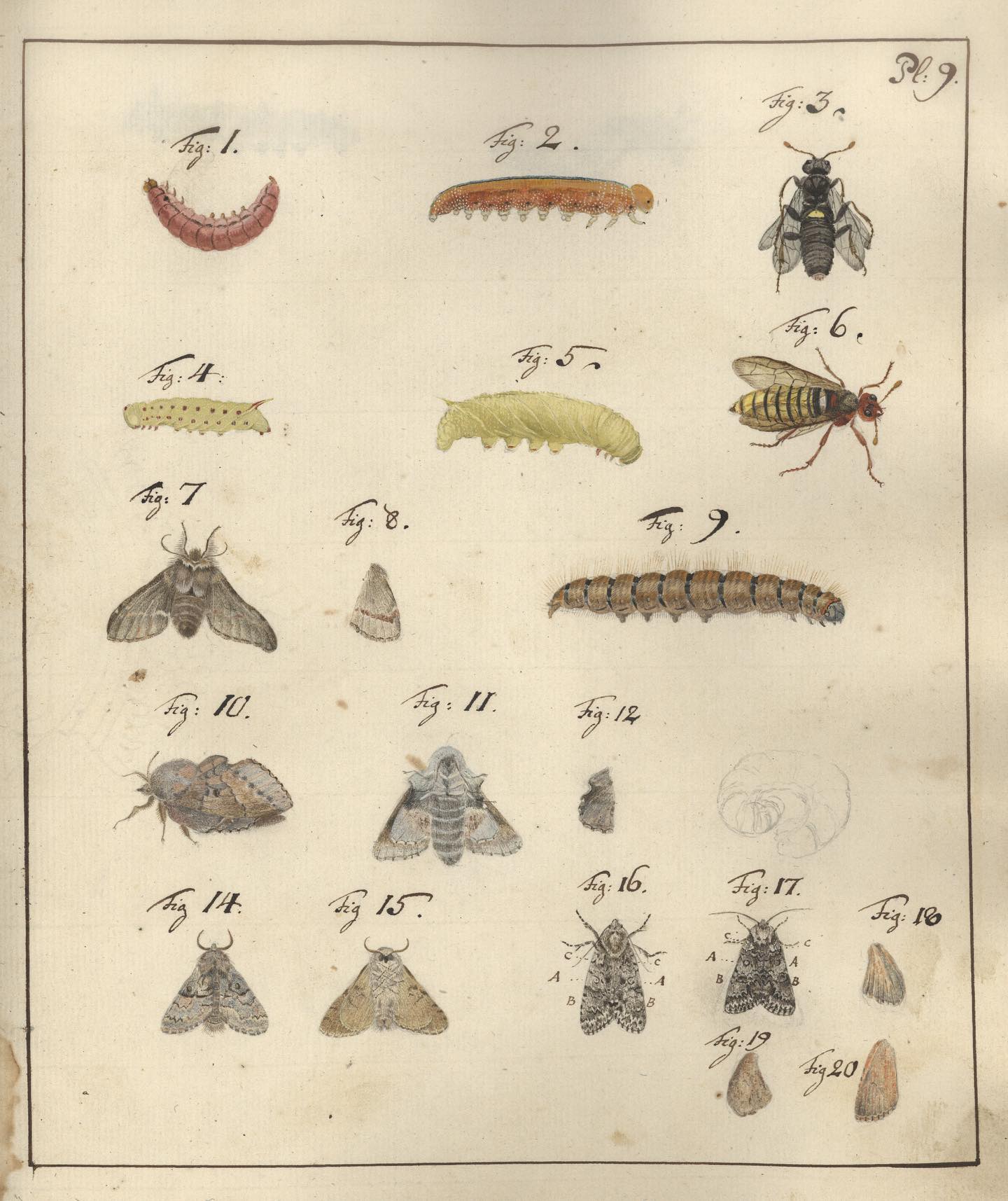
One of the original illustrations to be found in the personal archive of Carl Clerck (1709-1756) that shows different types of insects. Clerck enrolled as student at Uppsala University in 1726 but had to quit the year after for financial reasons and instead got employment as chamber clerk. Ten years later he attended a lecture given by Carl Linnaeus at the house of nobility and was inspired to engage in natural science studies, preferably entomology. In 1757 his work ?Svenska spindlar- Aranei Svecici (Swedish spiders) was published, which was the first comprehensive book on the spiders in Sweden and also the first time a zoological work consistently applied binomial nomenclature as proposed by Linnaeus. Encourage by Linneaus, Clerck then completed two beautiful volumes with illustrations of butterflies in the years 1959 and 1964 with the title ?Icones insectorum rariorum?. A third volume was planned and started but never completed as Carl Clerck died in 1765 at age 55. In 1764 he was elected member of the Royal Swedish Academy of Sciences. Carl Clercks personal collections of spider and insects, on which he based a lot of his illustrations today belongs to the Bergius foundation and are handled by the Swedish Museum of Natural History. #historyofscience #historyofzoology #scientificillustrations #treasuresfromthearchives #collectionsofthersas #royalswedishacademyofsciences #centerforhistoryofscience #insects #buglife #?????
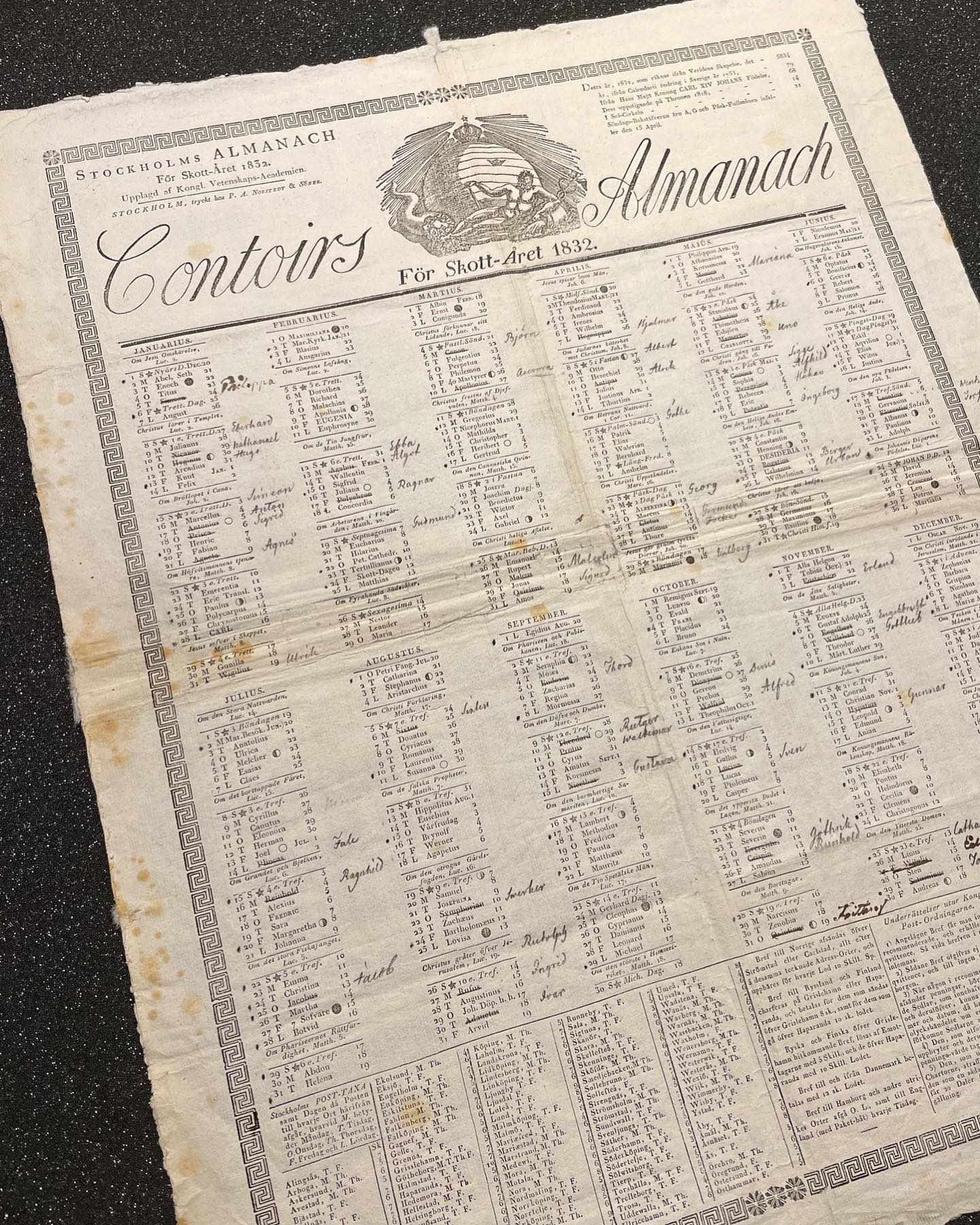
2023-01-13
The 13th of January marks the end of Christmas in Sweden. This is the day to pack up your Christmas decoration and finish any traditional Christmas food you might have left. Before the 1680?s the Swedish Christmas ended with the 6th of January like in the rest of western Christian Europe. On the 7th of January the saint of the day in Sweden was ?Knut? and when the Swedish church in late 17th century decided to prolong Christmas time to the 13th, the name was transferred to that date instead. The Swedish pronunciation of Knut happens to rime with the Swedish words for ?end? and ?out? (in Swedish: ?slut? and ?ut?) thus creating a lot of common sayings like ?vid Knut tar julen slut? (by Knut Christmas comes to an end) and ?Knut sopar julen ut? (Knut sweeps Christmas away). Images showing an office almanac of the year 1832 with handwritten suggestions for name alterations made by the chemist Jacob Berzelius, permanent secretary of the Royal Swedish Academy of Sciences between 1818-1848. The Academy hold the sole right to print and sell almanacs in Sweden between 1747 and 1972 which provided a solid income for the organisation for centuries.
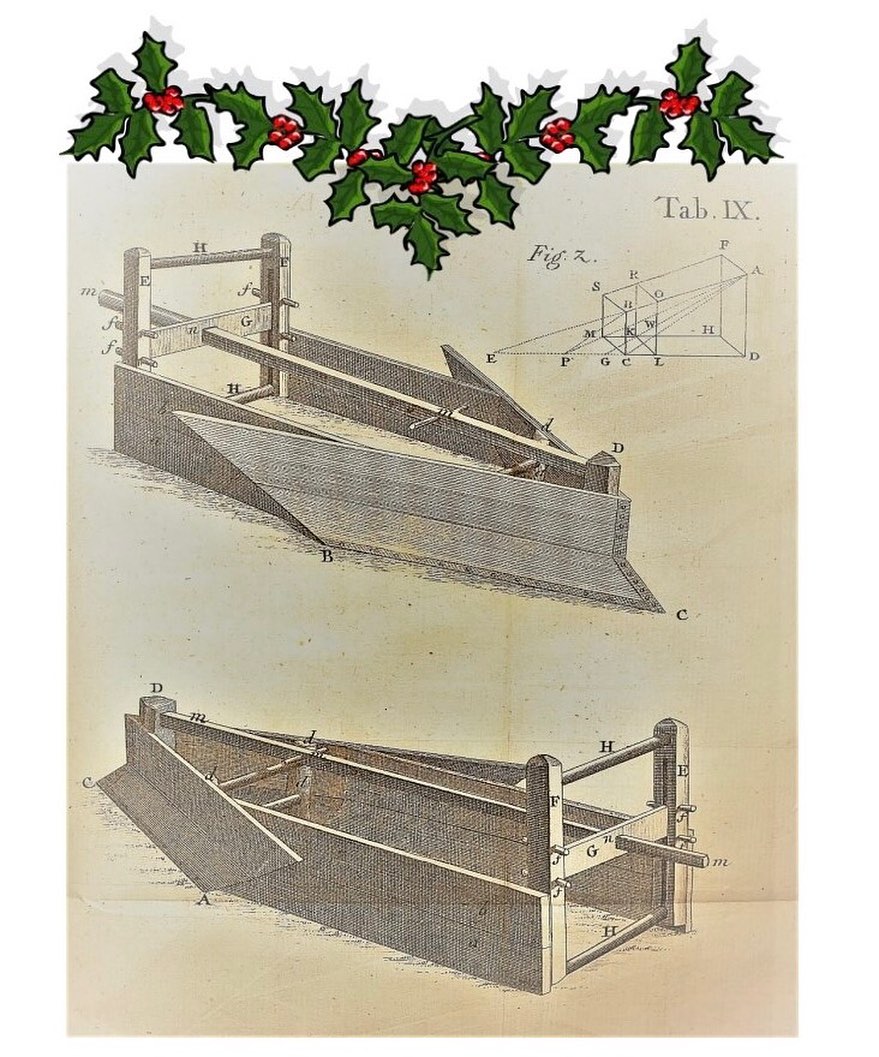
2022-12-23
The Center for History of Science wishes you a Merry Christmas and a Happy New Year! ?? Image: Description of a snowplough that is pushed ahead by oxen by Joh. Abr. Grill Abrahamsson. Printed in the Proceedings of the Royal Swedish Academy of Science 1792. #letitsnow #merrychristmas #happynewyear #???? #letshopeitsagoodone
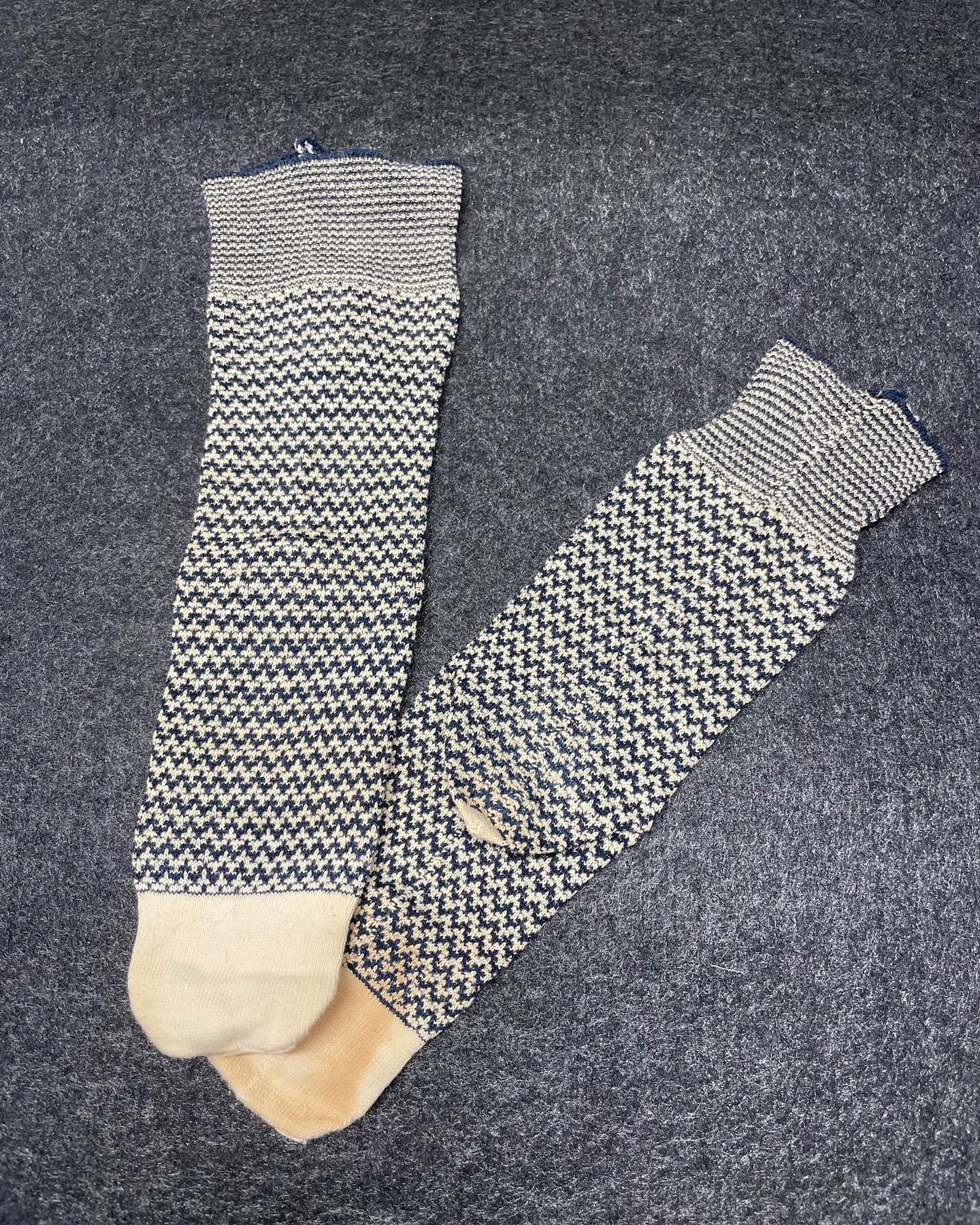
2022-12-21
Christmas gift of the year! Every November since 1988 the research institute of the Swedish Trade Federation (HUI research) appoints what they consider to be “the Christmas gift of the year” based on current trends and the consumer behaviour of the Swedish people. This year the gift appointed was “the home knitted garment - a warming gesture to give to your loved ones”. A suitable gift for a troubled world with war in Europe, inflation, and high electricity prices. These knitted socks were worn by Academy member Gustaf Retzius (1842-1919) as a child and attached is a note saying “these little socks belonged to Gustaf Retzius and were a gift from his dear mother to his wife Anna Hierta who hold them dear” Gustaf and Anna made several monetary donations to the Academy but also a lot of items such as furnitures and paintings. Somehow the little socks made their way to our collections. #🧦 #åretsjulklapp #centerforhistoryofscience #royalswedishacademyofsciences #collectionsofthersas #oddthingsinthearchive #christmasgiftoftheyear #homeknitted #staywarm
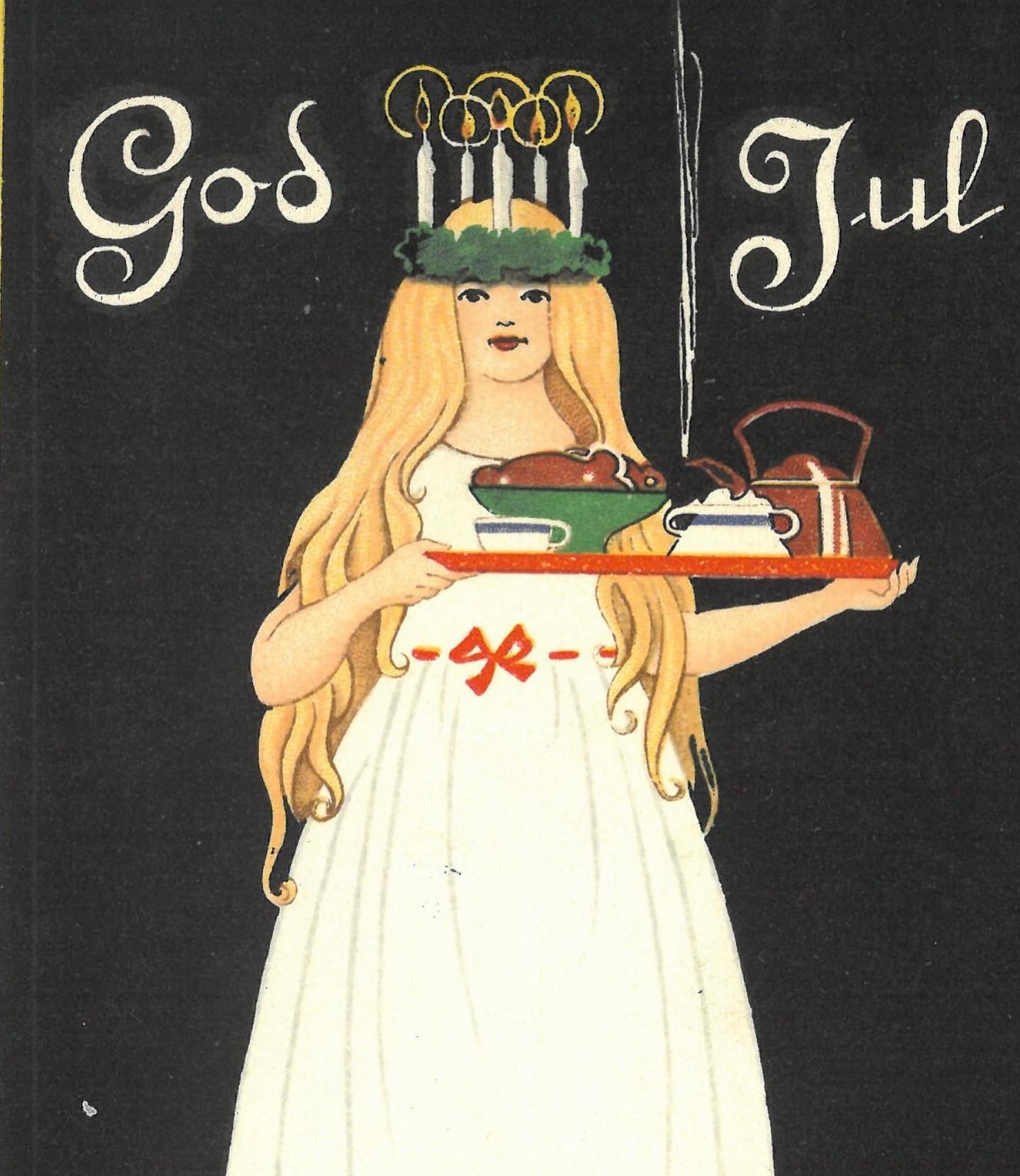
2022-12-13
Happy Lucia Day! Through the years it has been a tradition for Nobel Laureates staying at Grand Hotel to be woken up by a Lucia entourage early on the 13th of December. After a terrified laurate once was said thinking he had died and gone to heaven, the hotel asks the laureates in advance if they want the experience or not. Whether the 1922 laureates in Physic and Chemistry, Niels Bohr and Francis William Aston, was greeted with the Nordic tradition early on Lucia morning history doesn’t tell. At least they would have been blissfully unaware when they sent their thank you notes to Academy member Svante Arrhenius after the Nobel Prize announcements had been made in November 1922. Image 1: Christmas Card from the 1920´s, the Hierta Retzius collection. Image 2-3: Letters from Bohr and Aston, Svante Arrhenius personal archive.
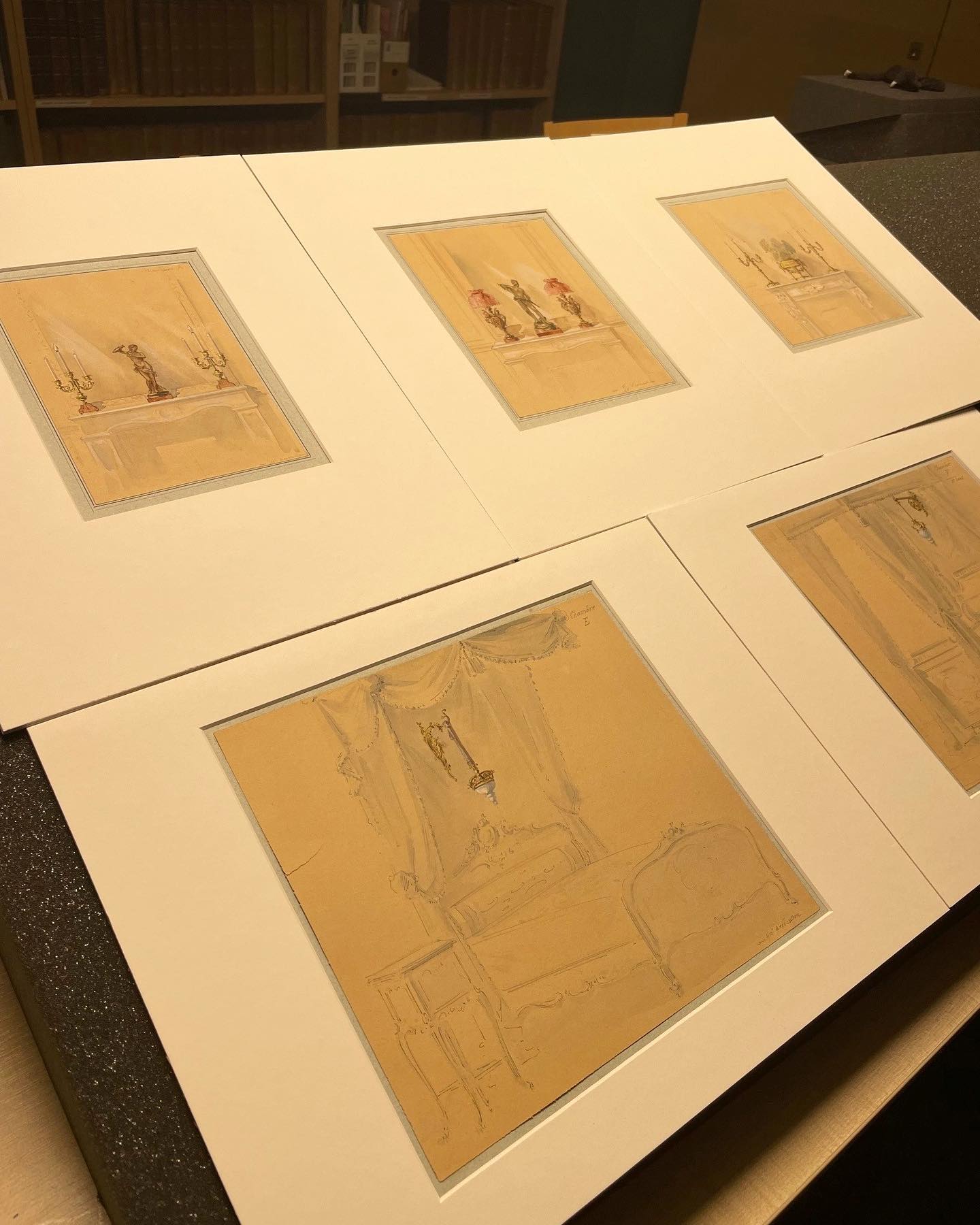
2022-12-09
Stockholm is trying it?s best to make the Nobel week as festive, bright and sparkling as possible in spite of current energy shortage. The archive has no information whether Alfred Nobel had issues with his electric bills, but we do have several lovely water colour drawings on the suggested lamp designs for his San Remo villa. Images 1-5: Drawings of light fittings for Alfred Nobel?s last recidence in San Remo, Italy. Image 6: The Stockholm Concert hall all dressed up and ready for tomorrow?s Nobel Prize ceremony. #treasuresofthearchives #nobelweeklights #nobel #nobelprize #centerforhistoryofscience #theroyalswedishacademyofsciences #collectionsofthersas #lettherebelight
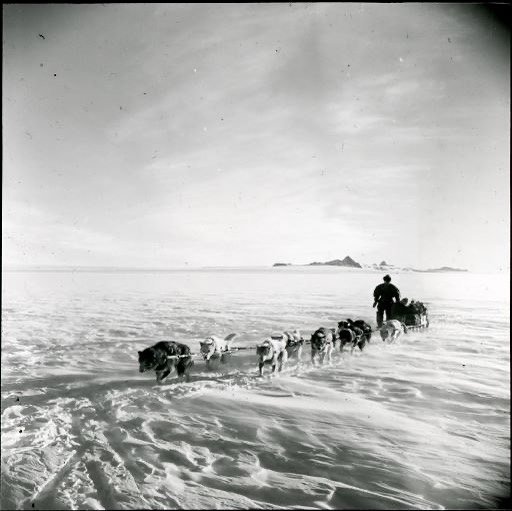
2022-11-22
After a few days of heavy snowfall in parts of Sweden buses and trains are struggling or simply cancelled. If you can’t work from home, you might have to use creative ways to get to work. Dog sleigh party during the Norwegian-British-Swedish Antarctic expedition 1949-1952. The main purpose of the research was to establish wether climatic fluctuations observed in the Arctic were also occurring in the Antarctic. Photo from the archive of Gösta Liljequist (1914-1995) who was assistant meteorologist during the expedition. #centerforhistoryofscience #theroyalswedishacademyofsciences #collectionsofthersas #polarhistory #historyofscience #climatescience #antarctic #maudheimexpedition #nbsx #historyofexpeditions #dogsleigh #snowday #⛄️
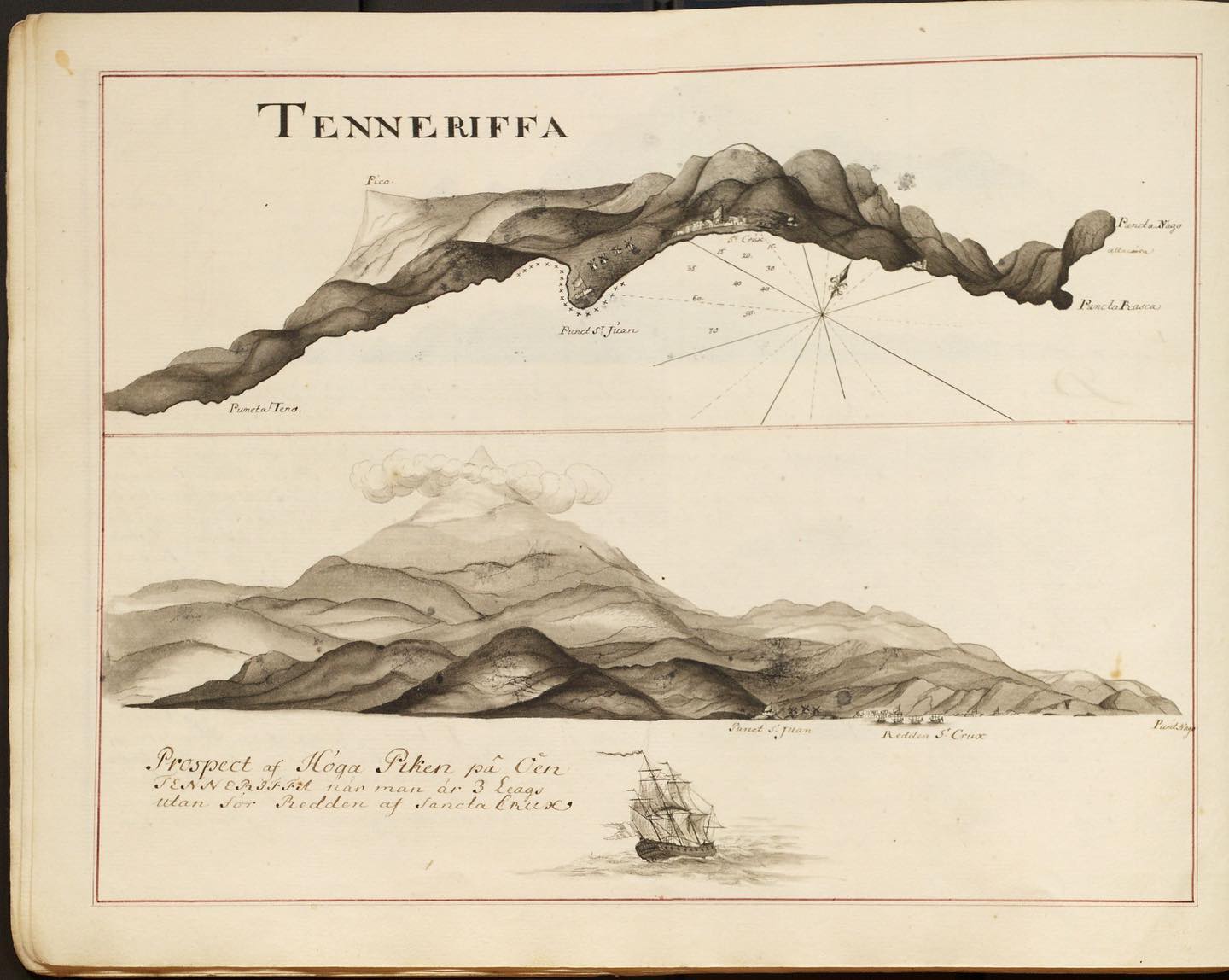
2022-11-08
For those of us who are currently dreaming of sun and warmer weather we offer a quick November trip to Tenerife with the ship Sophia Albertina on her way to Canton, China in the year 1755. The page is from the travel journal of the chief mate onboard, Carl Gustaf Ekeberg (1716-1784), a skilled seaman who once survived a sinking ship floating ashore on a piece of the wreck. The experience was said to have turned his hair white. Ekeberg was originally trained as pharmacist with medical knowledge who after two sailing trips as ship?s doctor started learning navigation and then devoted a large part of his life sailing to and from China for the Swedish East India Company. Ekeberg was interested in natural science, he kept notes and did several drawings illustrating what he saw on his journeys. He sent his scientific observations to the Academy who appreciated his ?multifarious useful remarks? and published some of them in its proceedings. In 1761 he was elected member after having demonstrated a Chinese oil press during an Academy meeting. Several of Ekeberg?s handwritten manuscripts and drawings are preserved in our archives. #centerforhistoryofscience #theroyalswedishacademyofsciences #treasuresfromthearchives #historyofscience #historyoftravel #historyoftrade #ostindiskakompaniet #collectionsofthersas #ahoy
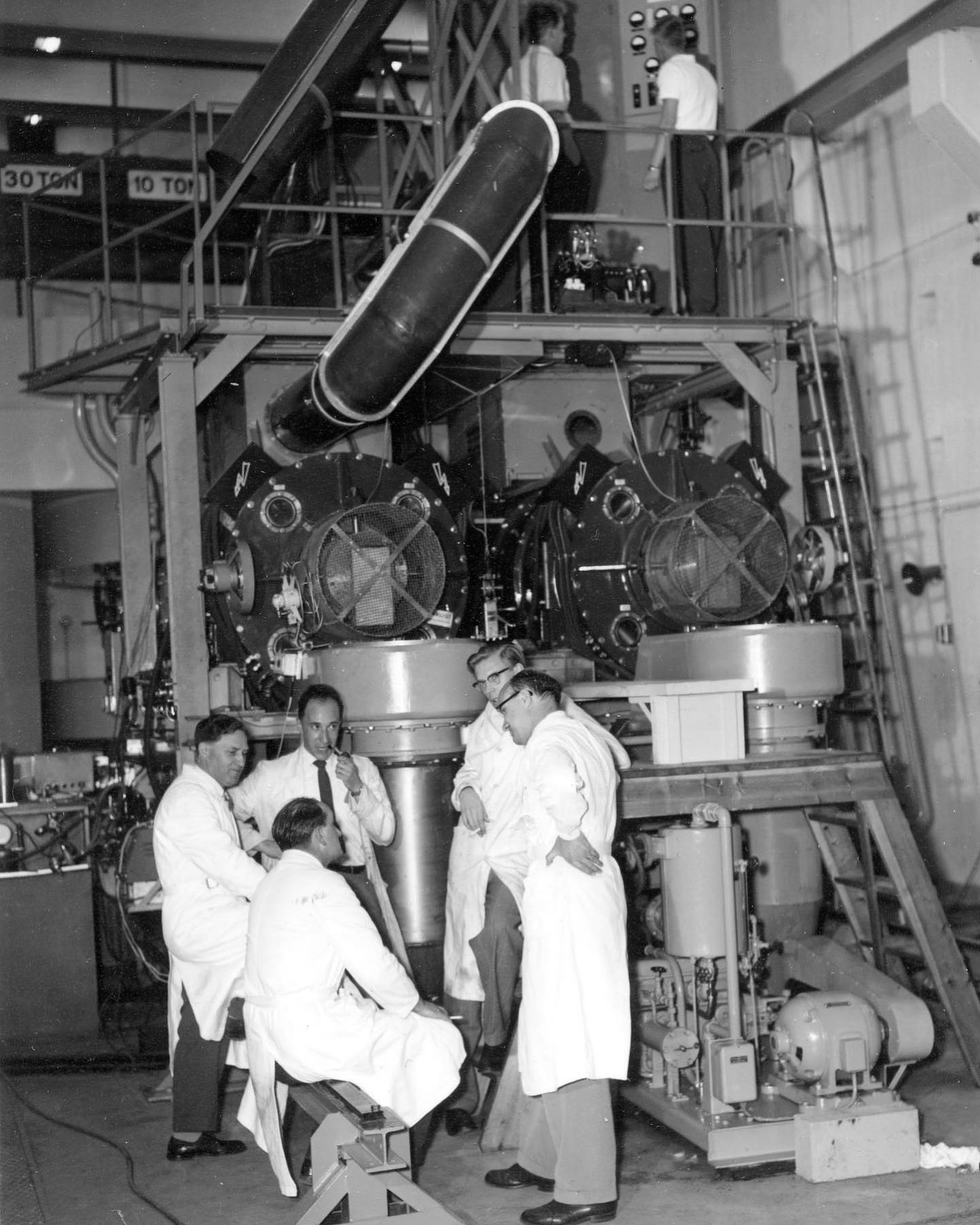
2022-10-04
Time for a smoke and a chat alongside of the 225 cm cyclotron at the Nobel institute for experimental physics in 1957. The institute was inaugurated in 1937 under the direction of Manne Siegbahn, a Swedish physicist who had been awarded the Nobel Prize in Physics in 1924 “for his discoveries and research in the field of X-ray spectroscopy”. The institute was transformed into a government organisation in 1964 under the name Forskningsinstitutet för atomfysik (AFI). Photo from the archive of the Nobel institute for experimental physics, Royal Swedish Academy of Sciences. #centerforhistoryofscience #collectionsofthersas #royalswedishacademyofsciences #nobelinstitution #historyofscience #historyofphysics #experimentalscience #manandmachine
2022-09-28
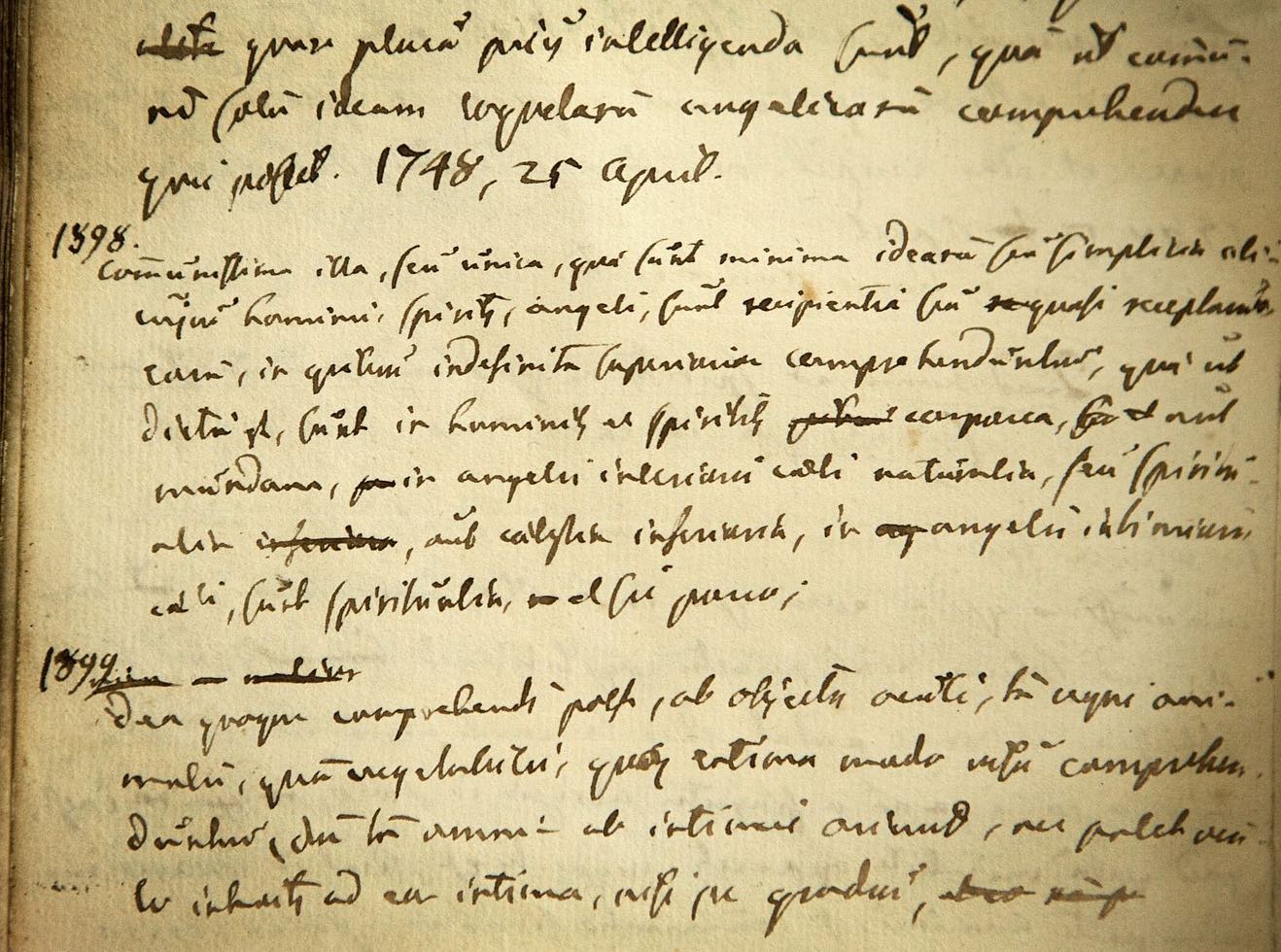
Today was Memory of the World Day! 2022 marks the 30th anniversary of the establishment of the Memory of the World Programme. ? According to the UNESCO website ?the vision of the programme is that the world?s documentary heritage belongs to all, should be fully preserved and protected for all and with due recognition of cultural mores and practicalities, should be permanently accessible to all without hindrance?. Since 2005, the manuscript collection of Emanuel Swedenborg (1688-1772) is on the Memory of the World register. The 18th century collection in our holdings consist of approx. 20 000 pages, mostly written in Latin. Image 1: Detail from one of Swedenborg?s manuscripts. Image 2: Snapshot from when the valuable Swedenborg manuscript collection in 1915 was moved from the old Academy building in the city to the current one, using a state-of-the-art transport vehicle.
2022-09-23
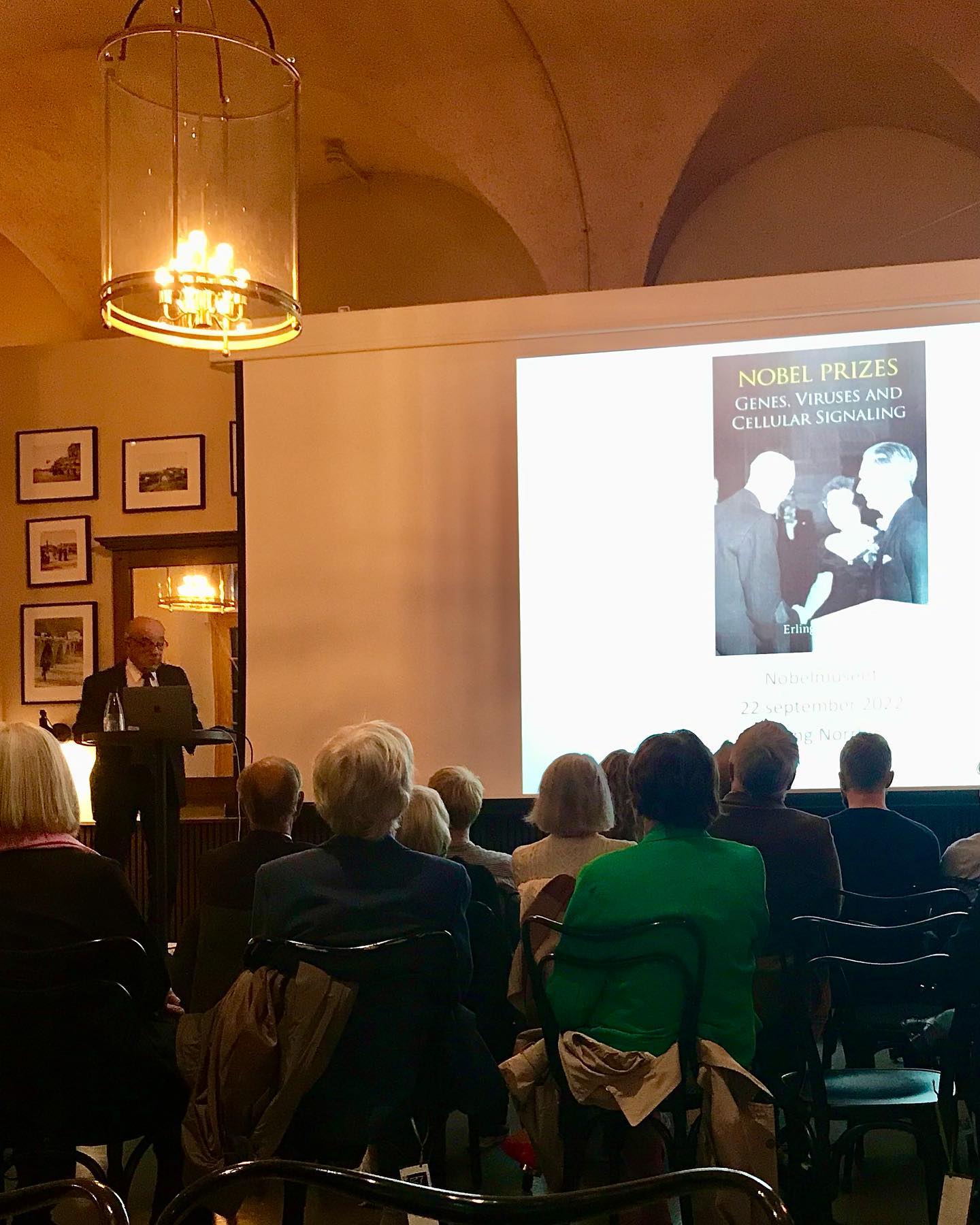
Interesting and festive book presentation at the Nobel Prize Museum yesterday evening, when professor Erling Norrby talked about his recently released fifth book on the Nobel Prizes in medicine: ?Genes, Viruses and Cellular Signaling?. Professor Norrby is professor of virology, member and former permanent secretary of the Royal Swedish Academy of Sciences. He is associated researcher at the Center for History of Science. ?: Maria Asp #centerforhistoryofscience #royalswedishacademyofsciences #historyofnobelprize #historyofmedicine #thursdayfun
2022-09-05
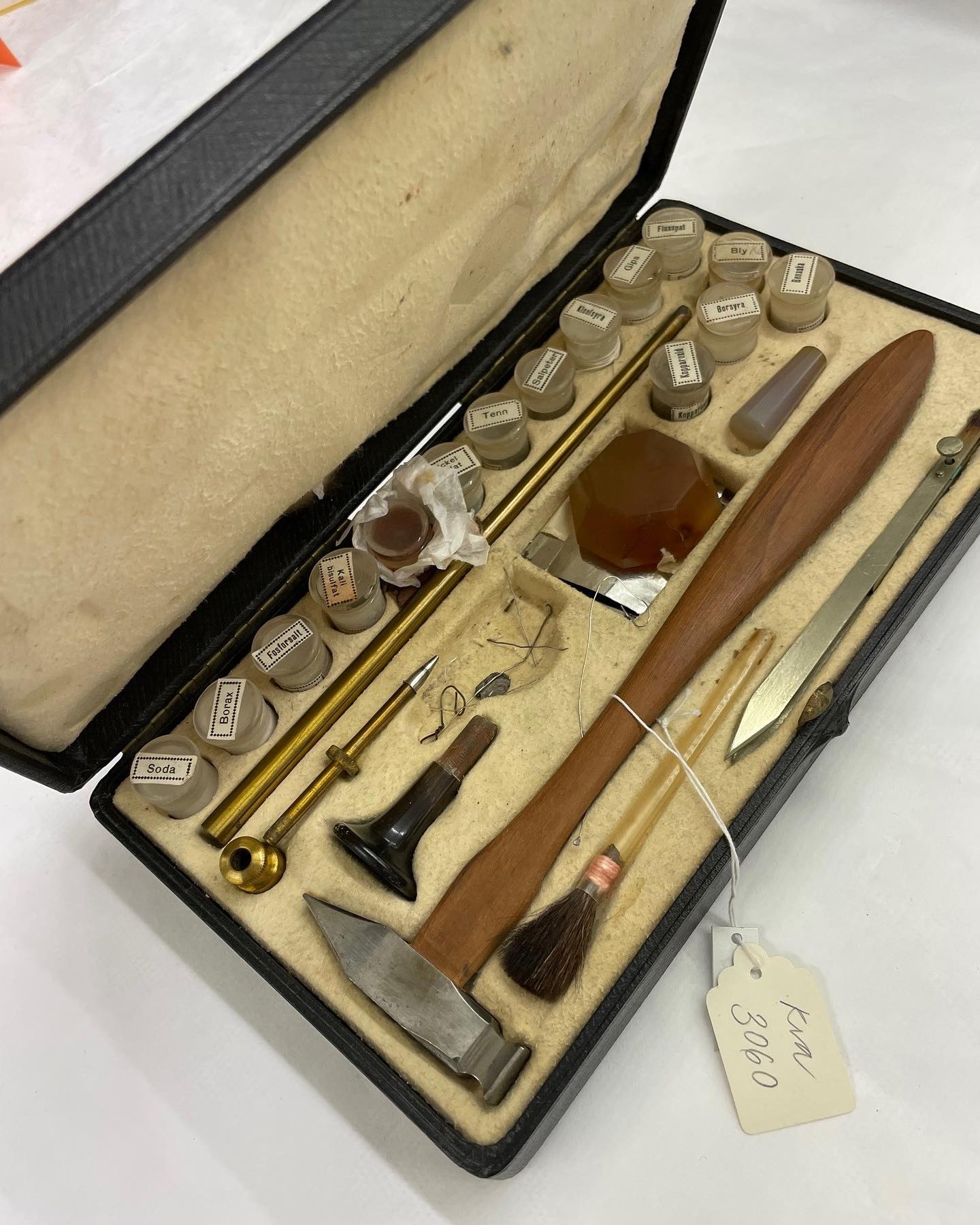
End of vacation and back to the salt mines? For Karl Fredrik Johansson (1866-1933), mining expert and mineralogist, the world of geological materials offered not only the economical aspect of extracting valuable minerals but also an opportunity to perform interesting investigations in the field of mineralogy. Johansson was a respected mining engineer; he was employed by mining companies in Spain and Russia but also travelled worldwide as consulting expert. Towards the end of his life, he devoted himself to the scientific aspects of mineralogy and set up a private mineralogical laboratory but also performed research at the department of mineralogy at the Swedish National Museum of Natural history. The image shows his field equipment, with blowpipe, hammer, tweezers, brush, mortar and 15 reagents. #centerforhistoryofscience #theswedishroyalacademyofsciences #historyofscience #historyofmineralogy #fieldequipment #treasuresfromthecollection #collectionsofthersas
2022-06-23
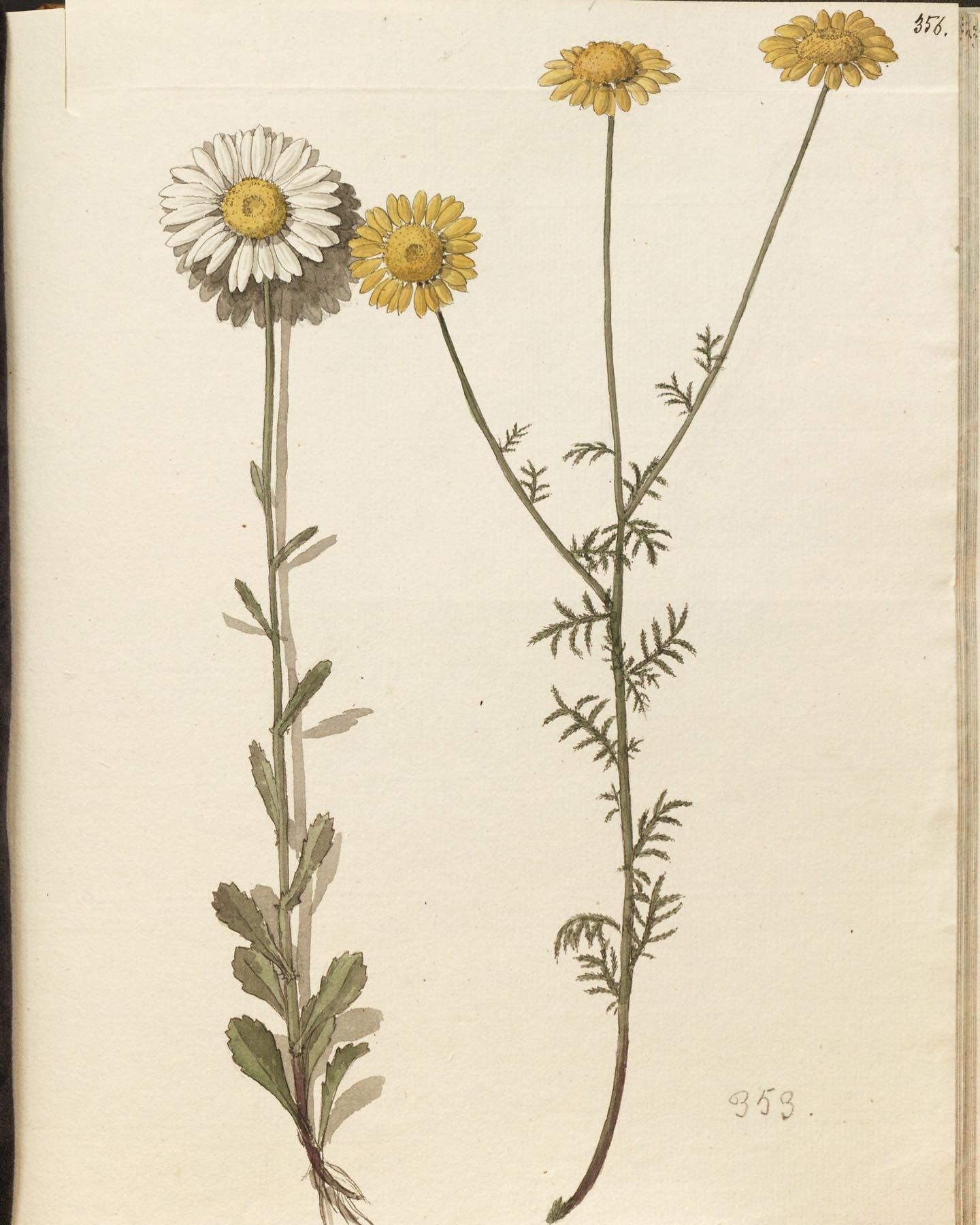
With a small bouquet of flowers the Center for History of Science wishes you a Happy Midsummer! ? The drawings are the original drawings to ?Svensk Botanik? (Swedish botany) published 1802-1819. The project was initiated by Johan Wilhelm Palmstruch (1770-1811) who initially both draw the plants and engraved the printing plates himself. After his death the project was somewhat mismanaged by the successor and The Royal Swedish Academy of science took over the responsibility for the continued publishing to ensure the scientific quality of the work. In the archives we hold the original drawings as well as the engraved printing plates.
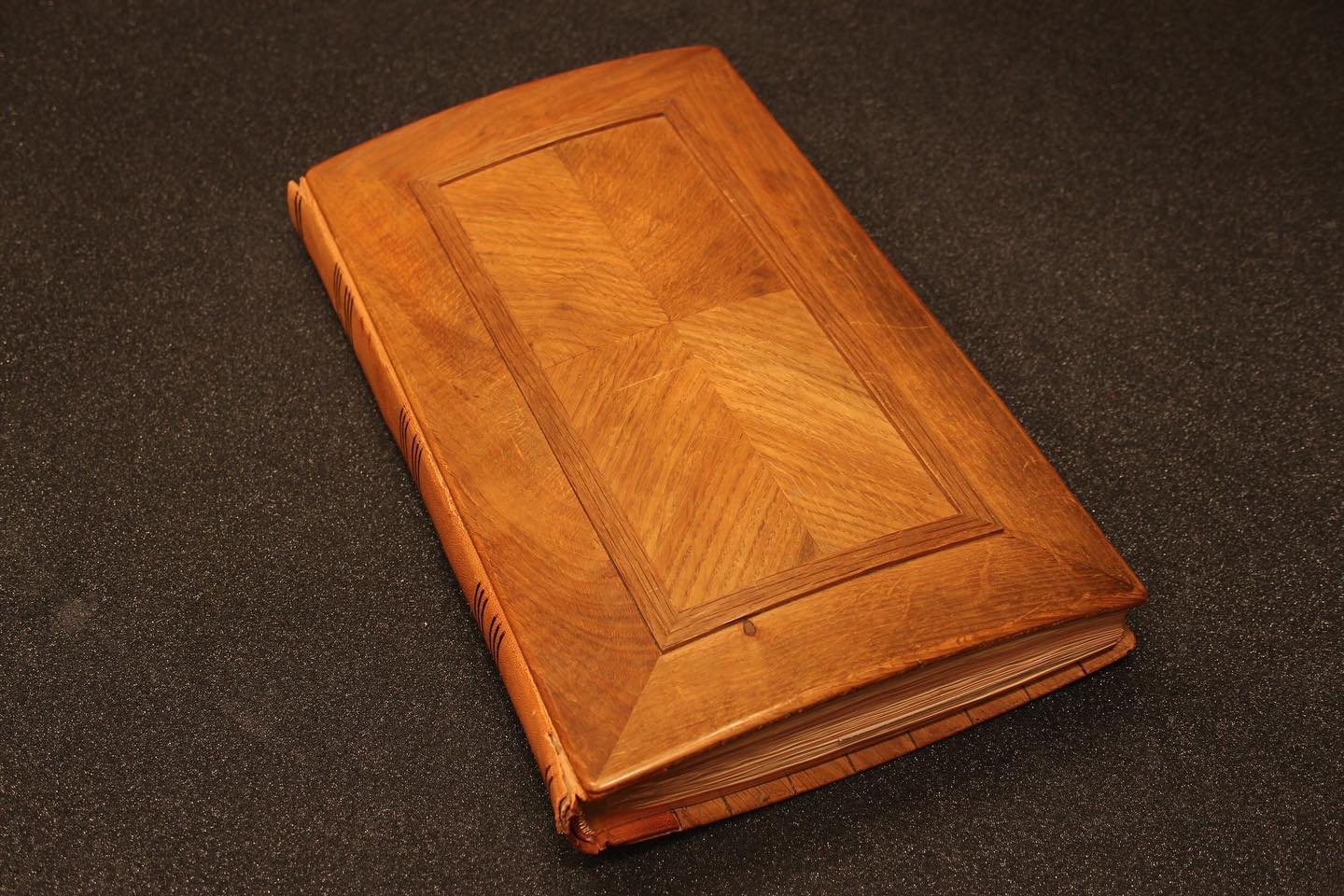
2022-04-25
This impressive volume from the Academy collections has book covers made from oak. On the cover page is written (translated from Swedish): ?Letters to C A Lindvall on scientific subjects, mainly concerning the ice age in the Nordic region?. Carl August Lindvall was an amateur geologist, successful shipwright by profession. Lindvall was not member of the Academy, although he tried repeatedly to get published in the Academy proceedings. His articles was rejected, probably because he disputed the geological basic view that Scandinavia during the ice age had been covered by a firm inland ice. Lindvall advocated an alternative theory that the land instead had been sunken into a glacial sea which was seen as an older and outdated point of view. Lindvall sent his theories to both Swedish and international scientists and when he did not get any significant response he considered himself unfairly treated. He had his correspondence on the matter bound in this volume and provided it with covers in oak which he claimed to date back to the 13th century. In the book Lindvall wrote ?This book should after my death be submitted to the Library of the Royal Academy of Sciences so that in the future if ? which I certainly believe- my interpretation of the ice age becomes fully natural, it will be possible to see the resistance this view met for such a long time.? Signed the 16th of June 1898 (translated from Swedish). Even if his geological thoughts never were acknowledged by the Academy, his never-ending struggle for them is still preserved in the archives, covered in stylish old oak tree.
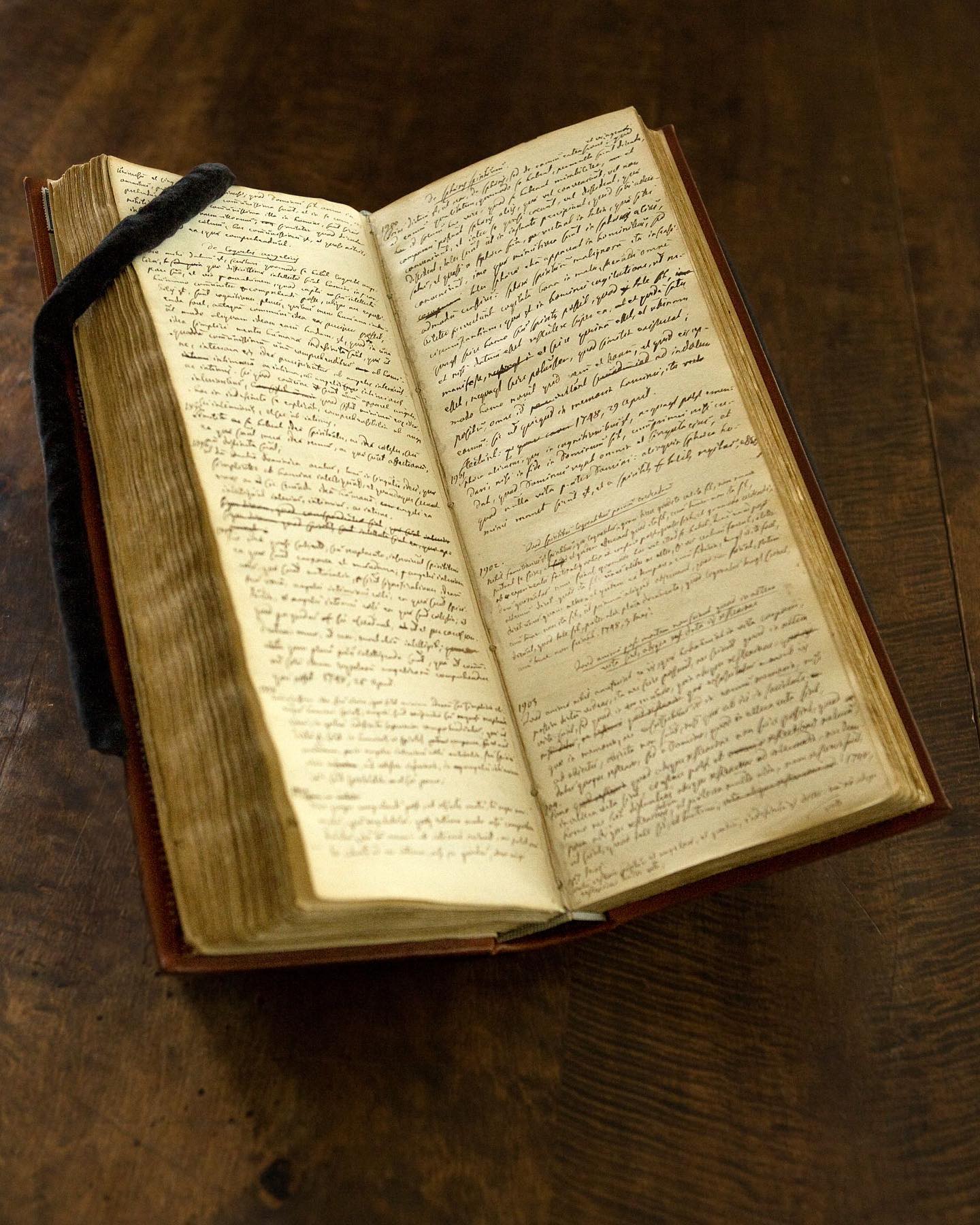
2022-03-29
Today it?s 250 years since Emanuel Swedenborg passed away. He was elected member of the Academy of Science in 1740 upon the suggestion of Carl Linnaeus. After a successful career as a scientist, he went through a religious crisis and spiritual awakening in which he received a revelation commanding him to interpret the biblical word and restore the internal sense of christianity. Swedenborg then spent his last 25 years writing and publishing a large number of books as well as reporting what he had seen and heard in the world of spirit and angels. After his death his manuscripts (approx 20 000 pages) were donated to the Academy. Since 2005 the archive is on the UNESCO Memory of the World register. Handwritten manuscript of the first volume of the ?Diarium Spirituale? (spiritual diary) Snapshot from today?s lunch lecture ?Do not each so much; Swedenborg on madness, regimen and clairvoyance? by historian Vincent Roy-Di Piazza, Oxford university. Shopping list noted in the margin of the manuscript of Swedenborg?s ?Index Biblicus?. In a vision in 1745 he received a divine order to not eat so much, which he then followed by mostly ingest very sweet coffee and biscuits.
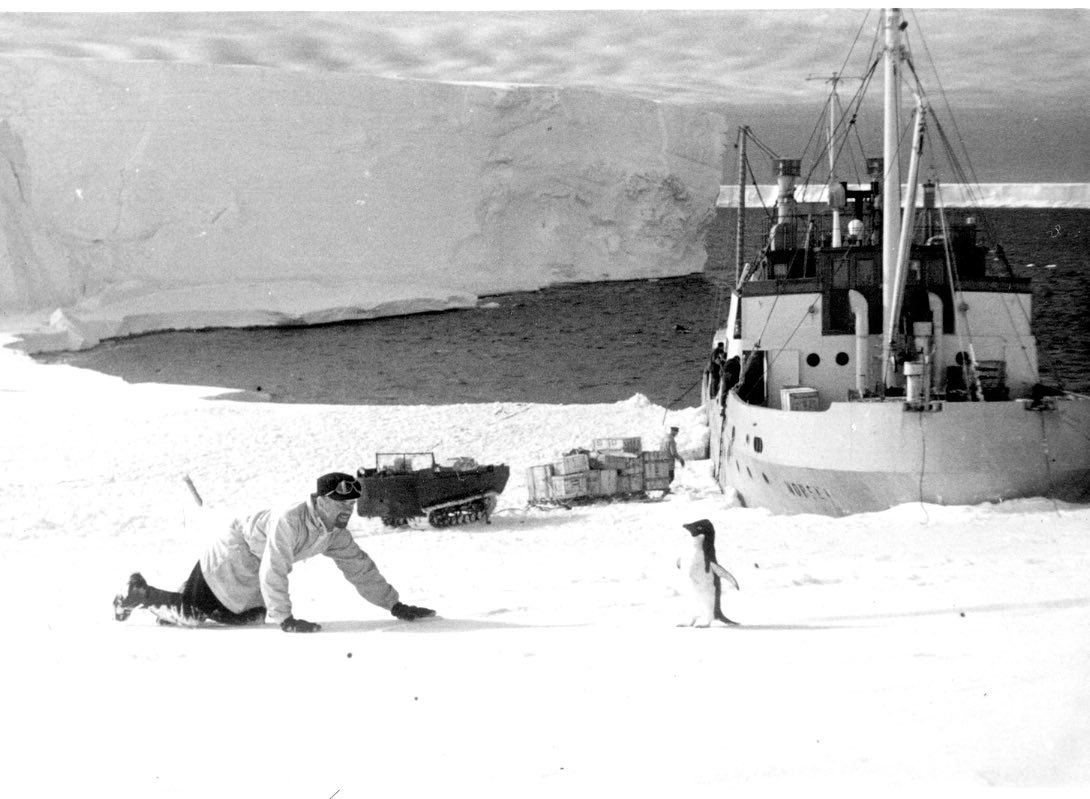
2022-03-07
When you arrive to foreign territory be sure to greet the habitants with a kind and respectful approach. Photo from Captain Reinhold von Essen?s photo collection concerning the Norwegian-British-Swedish Antarctic expedition 1949-1952. The expedition used air force groups from the three countries to perform airplane surveys of the Antarctic continent. #historyofpolarexpeditions #historyofscience #antarctic #photocollection #polarphotography #penguin #centerforhistoryofscience #theroyalswedishacademyofsciences #collectionsofthersas #coldmeeting #snowflirting
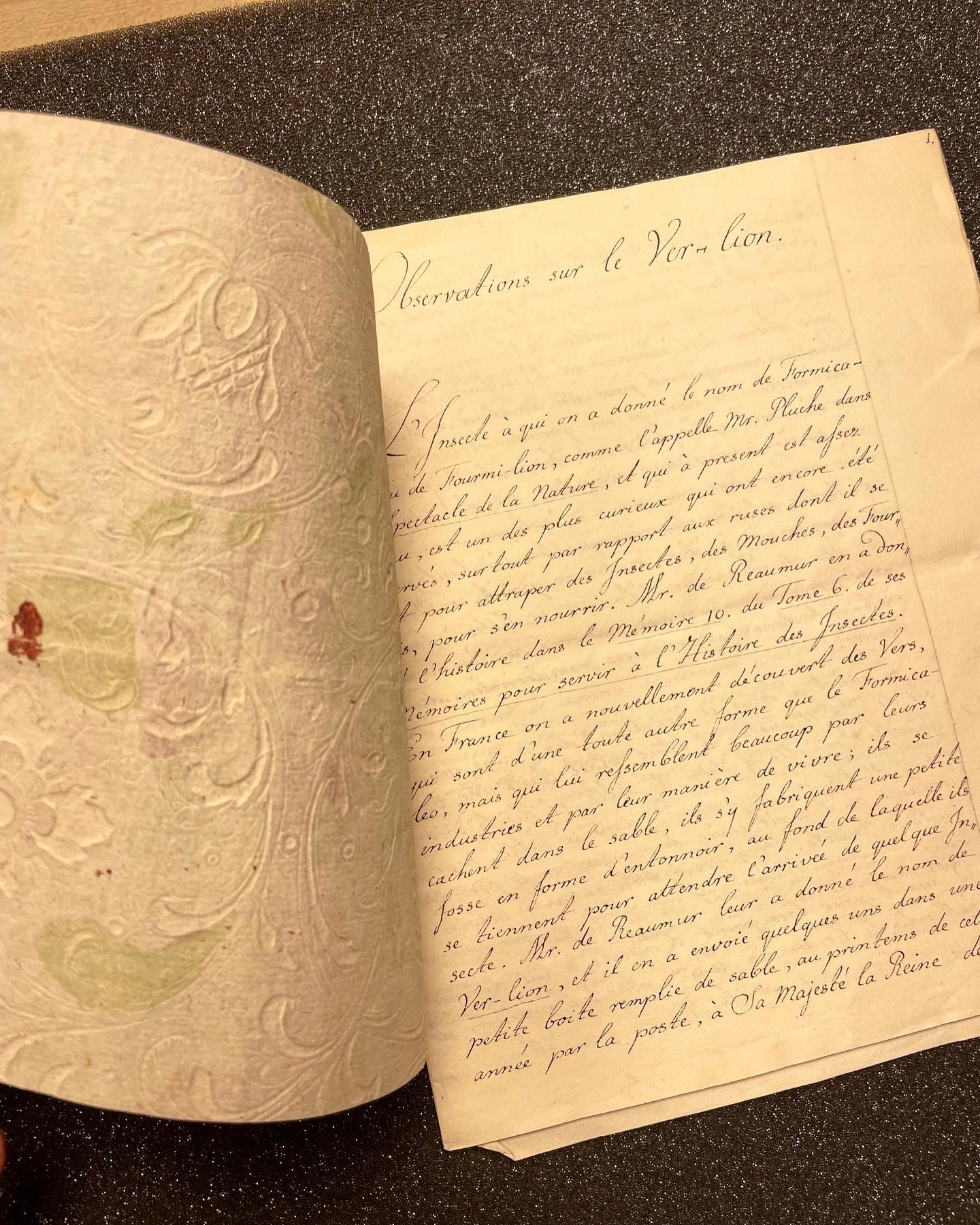
2022-02-10
Let us admire this pretty manuscript from the archives with the title ”Observations sur le Ver-lion” (observations on the wormlion) written by the Academy fellow Charles De Geer in 1752. The manuscript has an unusual and beautifully elaborated cover, probably because it was not originally intended for the Academy but for a Royal recipient. The Swedish queen Lovisa Ulrika (1720-1782) was very interested in natural science and had a cabinet of curiosities set up at Drottningholm Castle. In 1752 she received a living so called “wormlion” (the larva of the Vermielonidae fly family), sent to her by the French entomologist Réaumur. She gave it to De Geer to study, he wrote down his observations and gave the manuscript to the queen who in her turn presented it to the Academy of Science. The manuscript is written in French, the common language at the Royal court at the time. The Academy Secretary translated it into Swedish and the article was printed in the proceedings of the Academy.
2022-01-26
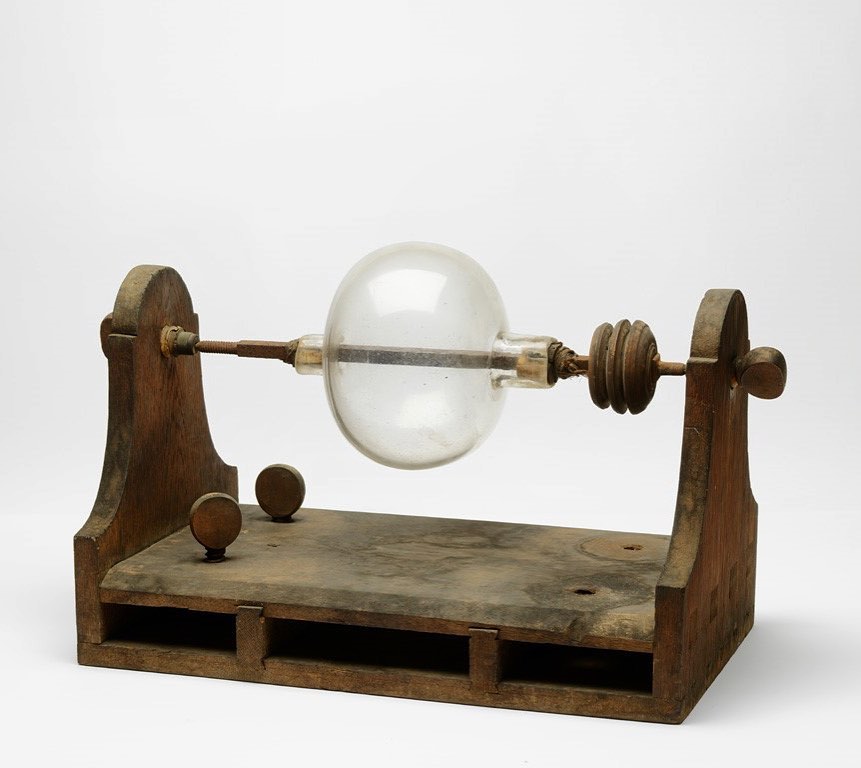
As electricity prices in Sweden soar to all-time high, we are sure that the thought of a private electricity machine sounds very appealing. This 18th century device used for experiments with electricity was made by Johan Carl Wilcke and described in an article in the proceedings of the Royal Swedish Academy of Sciences in 1762. Wilcke was the Academy?s lecturer in experimental physics and Permanent Secretary 1784-1796.
2021-12-20
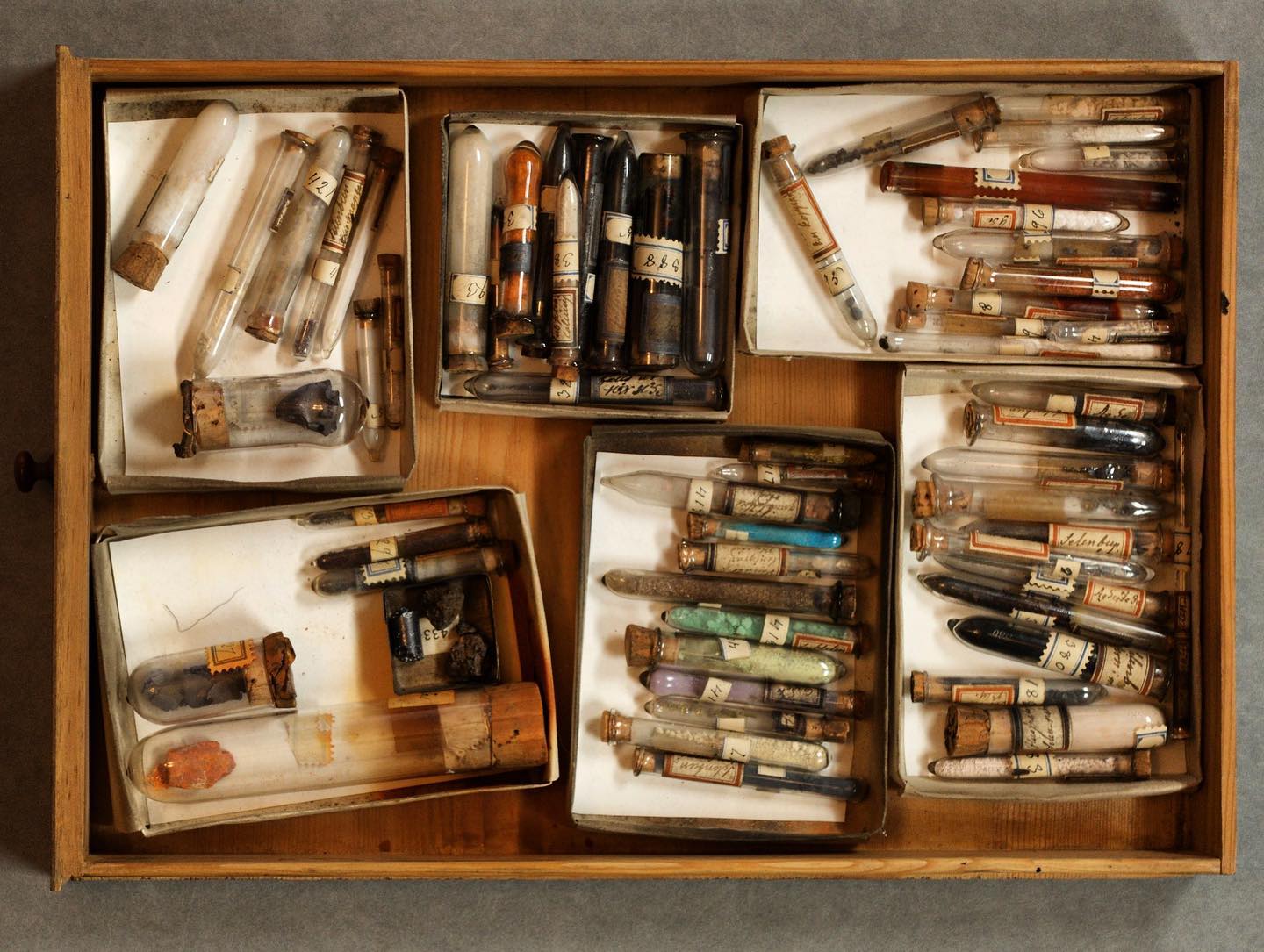
With a box full of colourful and intriguing content, the Center for History of Sciences at the Royal Swedish Academy of Science wishes you a very Merry Christmas and a Happy New Year! ??????? #godjul #Berzeliuscollection #early19thcenturychemistry #historyofchemistry #historyofscience #centerforhistoryofscience #rsas #royalswedishacademyofsciences
2021-12-10
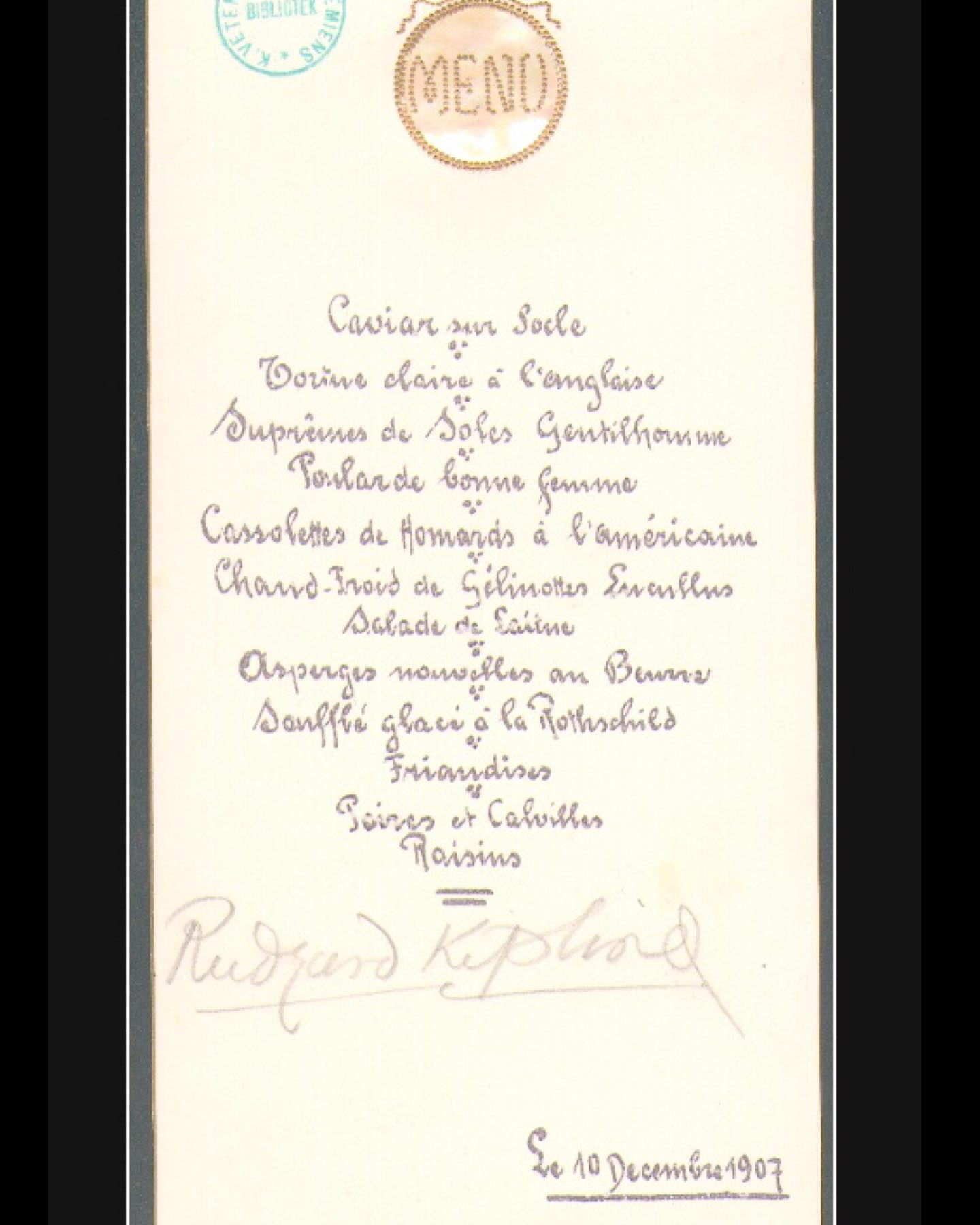
Troublesome times call for special measures. ? In 1907 the Nobel banquet was cancel due to the death of the Swedish King Oscar II. For the literature laureate Royard Kipling a small dinner was arranged at Grand Hotel. A signed copy of the menu is preserved in our archives. ? During the second World War there were no Nobel festivities. George de Hevesy was awarded the 1943 Chemistry Prize in 1944 at an Academy meeting followed by a dinner arranged in the Academy Library?s main reading room. #historyofnobelprize #nobeldagen #Nobelday #trasuresfromthearchives #historyofscience #centerforhistoryofscience #theroyalswedishacademyofsciences #kunglvetenskapsakademien #vetenskapsakademienssamlingar #vetenskapshistoria
2021-12-07
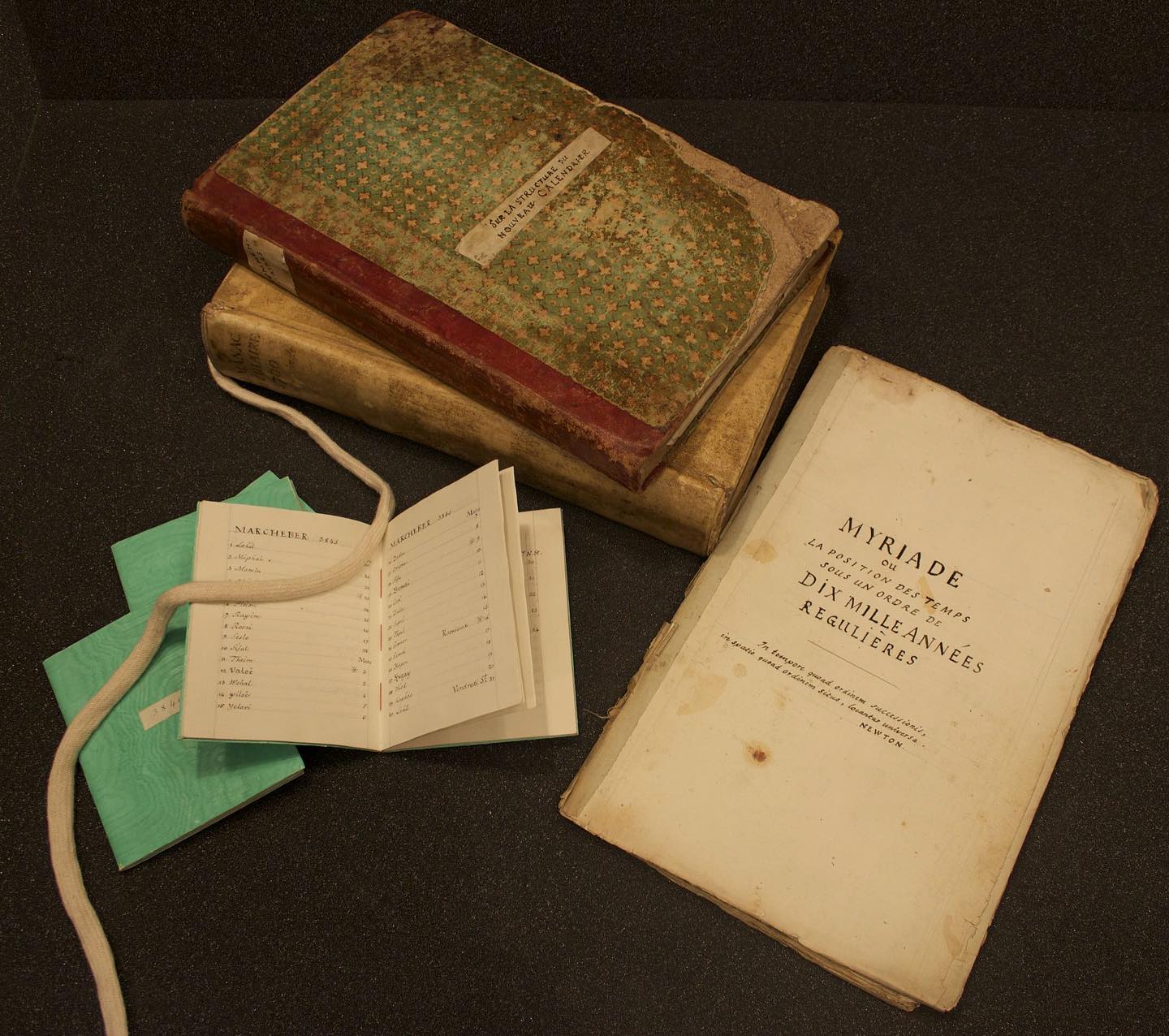
Notebooks and calendars of Henric Brandel (1739-1828), the inventor of the chronological system ?the Myriad? created with the intention that it should replace all existing chronologies with accuracy and simplicity. The system covered 10 000 years with the starting point of 2000 BC and was based on Brandel?s calculation of the length of the solar year. Brandel never published a complete presentation of the system but from 1796 he had a yearly ?Myriad calendar? printed in Stockholm, mostly used only by Brandel?s family and circle of acquaintances. The French National Convention was in contact with Brandel when they were about to renew the calendar after the French revolution but as is well known they went with another solution. Brandel was never a member of the Academy of Sciences but his calculations and written manuscripts of the matter are preserved in our archives. #centerforhistoryofscience #historyofcalendars #theroyalswedishacademyofsciences #treasuresfromthearchives #fromthecollectionsoftheRSAS #myriad #countingthedays
2021-11-01
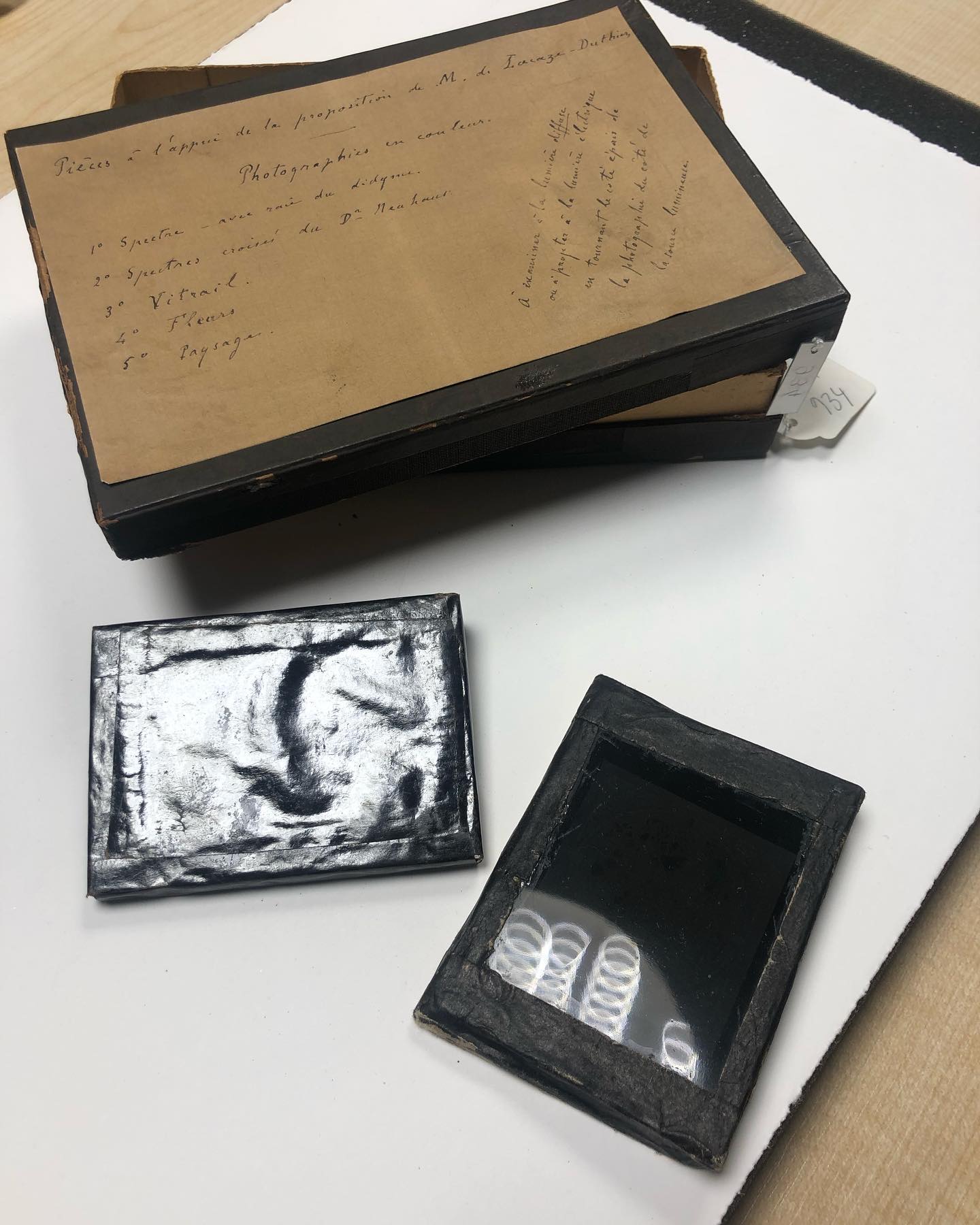
Gabriel Lippman (1845-1921) was awarded the Nobel Prize in physics in 1908 for “for his method of reproducing colours photographically based on the phenomenon of interference". In our collections we have a brown paper box, with handwritten information on the lid that says (translated from French): “Supporting documents to the proposal of Mr. de Lacaze-Duthiers. Colour photographs.” The second image shows no 3 of the five plates, a window of stained glass. Henri de Lacaze-Duthiers nominated Lippman for the very first Nobel Prize in physics 1901, for his work in the field of capturing natural colours in photographic plates. To support his nomination he sent the Academy those five examples of the Lippman method. Although the Nobel committee in their report stated that Lippman’s work was no doubt Nobel Prize worthy, the physics prize was that year awarded to Wilhelm Conrad Röntgen. Gabriel Lippman was from 1903 nominated for the physics prize every year until he finally did received it in 1908.
2021-09-25
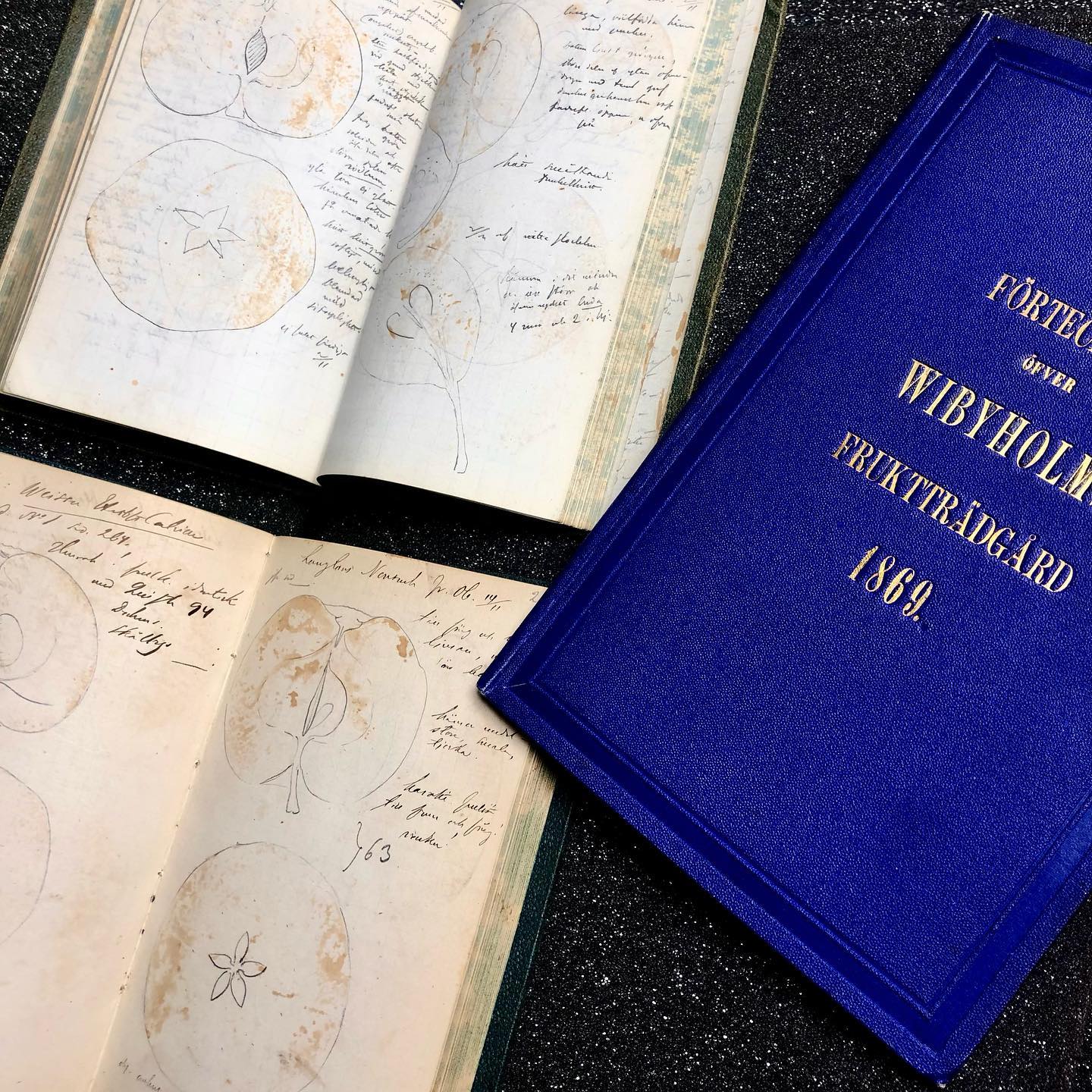
Today is National Apple Day in Sweden! ?? We?re celebrating by highlighting the pretty notebooks of Olof Eneroth (1825-1881) the first pomologist of Sweden. He contributed to organise the names of Swedish apple types and 1864-1866 published the first Swedish book on the subject. ?Handbok i svensk pomologi?. The last image shows an image of an apple sent to the Academy in 1746. The comment written on the paper explained that it?s an apple ?which upper part is grown into a misshapen form so that it depicts a human face? #appleday #anappleaday #treasuresfromthearchives #centerforhistoryofscience #royalswedishacademyofsciences #pomology #historyofscience #historyofbotany #archivesofinstagram #archivalcollections #appleofmyeye #??
2021-09-13
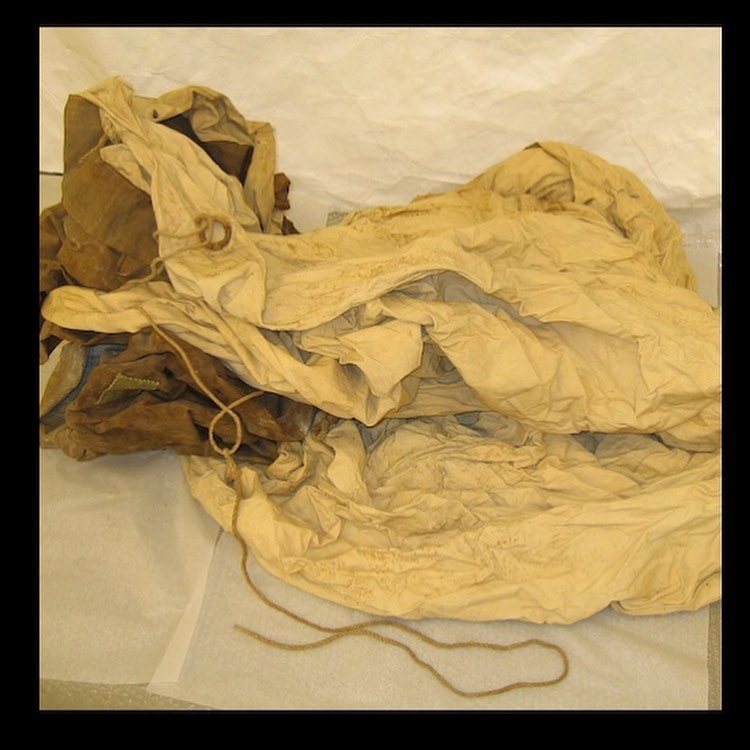
Polar tent with poles from our collections. Used by several expeditions from 1882 for example the Nordenskiold expedition to Greenland in 1883. You can find a photo of expedition members in the tent earlier in our Instagram grid. #polarhistory #polartent #historyofscience #polarexpeditions #centerforhistoryofscience #scientificcollections #royalswedishacademyofsciences #
2021-07-26
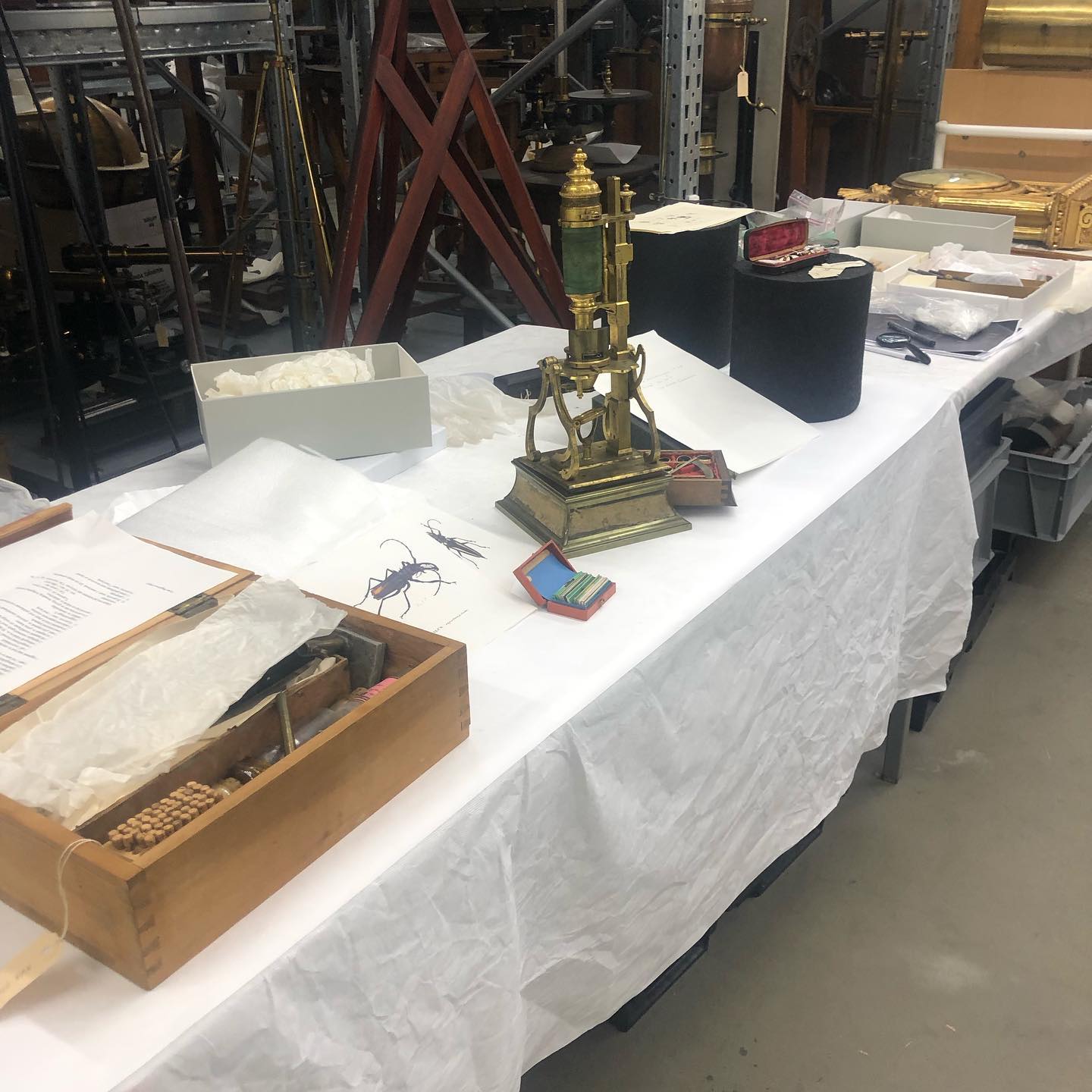
Preparing displays for one of the newly redecorated conference rooms in the Academy building. #centerforhistoryofscience #royalswedishacademyofsciences #historyofscience #scientificinstrumentscollections #scientificinstruments #historicaltreasures
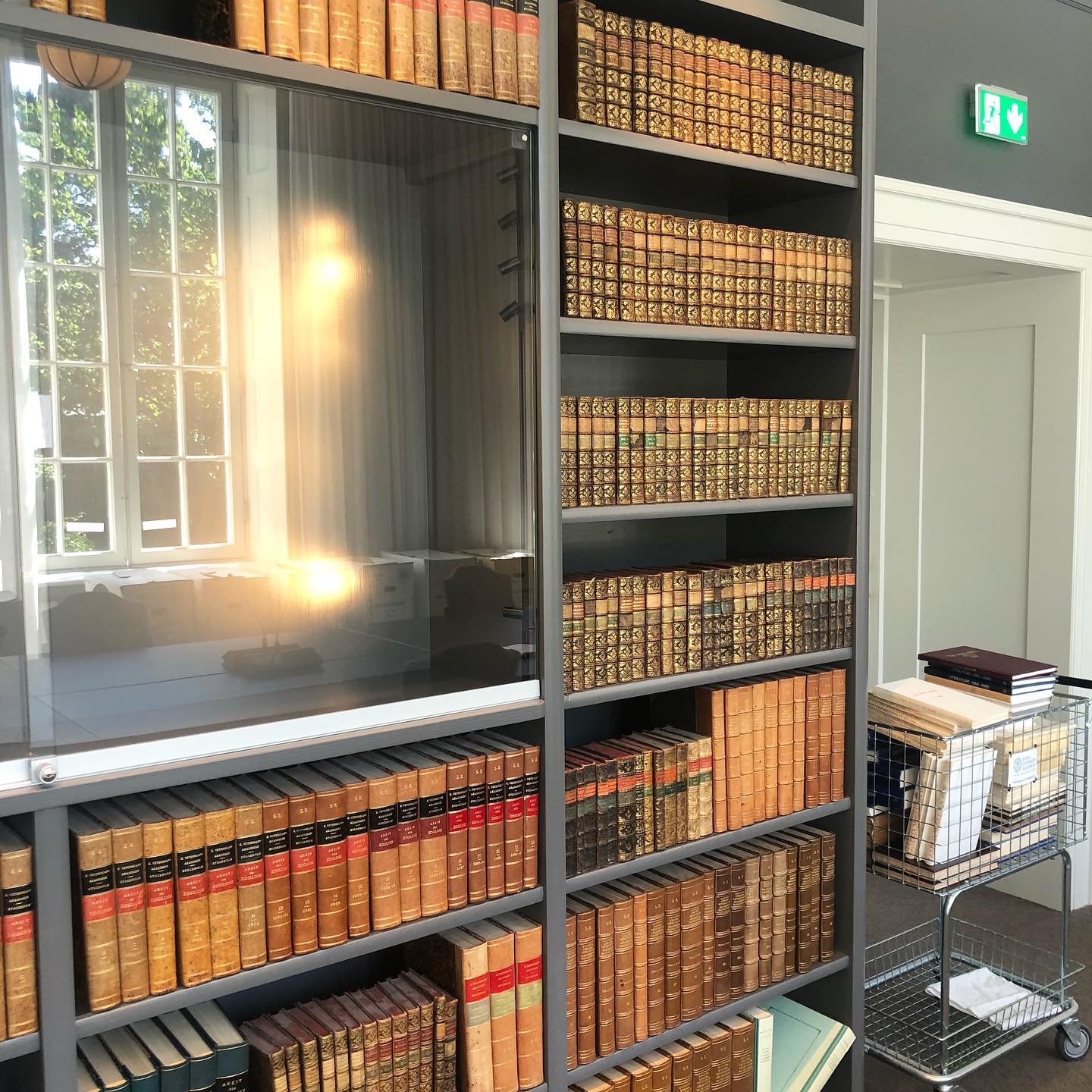
2021-06-11
Arranging Academy publications in a newly renovated conference room. The built in display cases will show items from the Academy?s collections. #tobecontinued #centerforhistoryofscience #royalswedishacademyofsciences #freshandupdated #oldbooks
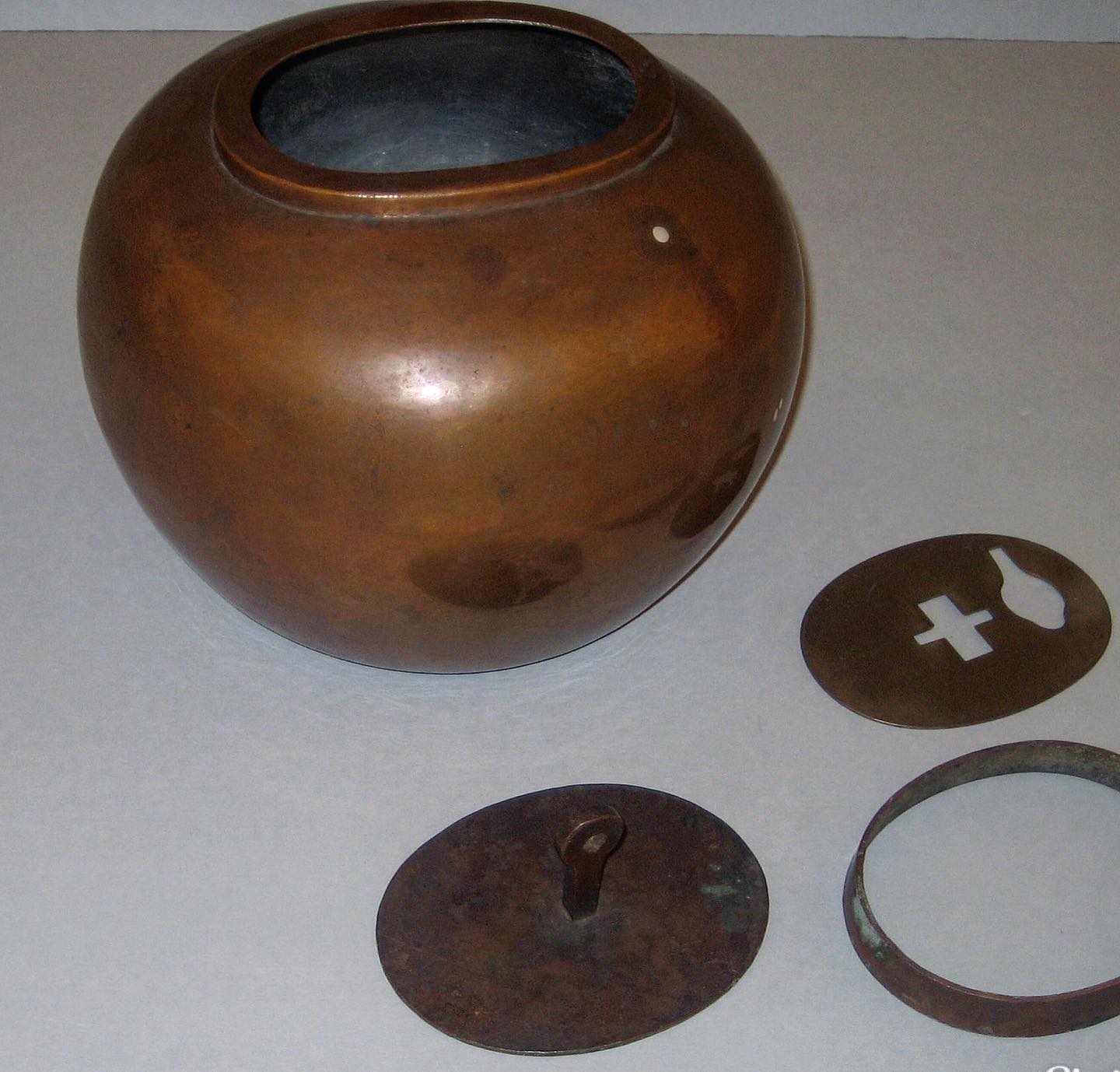
2021-05-17
The steam digester, Papini digestor or simply Papin?s pot is a high-pressure cooker that was invented in London 1679 by the French physicist Denis Papin (1647-1713). The invention was first intended as an experimental device to observe pneumatics and how to control the pressure of steam. However, almost 100 years later in the 1760?s a movement started in France that suggested that the invention could be used to cook nourishing meat bone soups to feed the poor. This idea reached the Swedish Academy of Sciences and several members thought that this was something that should be initiated in Stockholm. The old construction was quite complicated and difficult to handle so the Swedish physicist and Academy member Carl Johan Wilcke started to work on an improved construction. He tried it in his own kitchen and wrote to a fellow scientist that it worked splendidly and that he had used it to make both chicken soup and beef tongue. In 1773 Wilcke described his new improved ?Papini digestor? in the proceedings of the Academy. The article ended with a philanthropic appeal to start making rich soups out of gathered bones to sell cheap to the poor. Among Wilcke?s papers you can find lists of ordered pots that he had made. Even the queen dowager was among the customers. Sadly you can also in his archive find a received letter from an indignant man who had heeded the Academy?s call and had a pot made after Wilcke?s instruction to make soups for the poor. When he tried it out it exploded and his kitchen was destroyed and he was summoned to court accused of making illegal explosives.
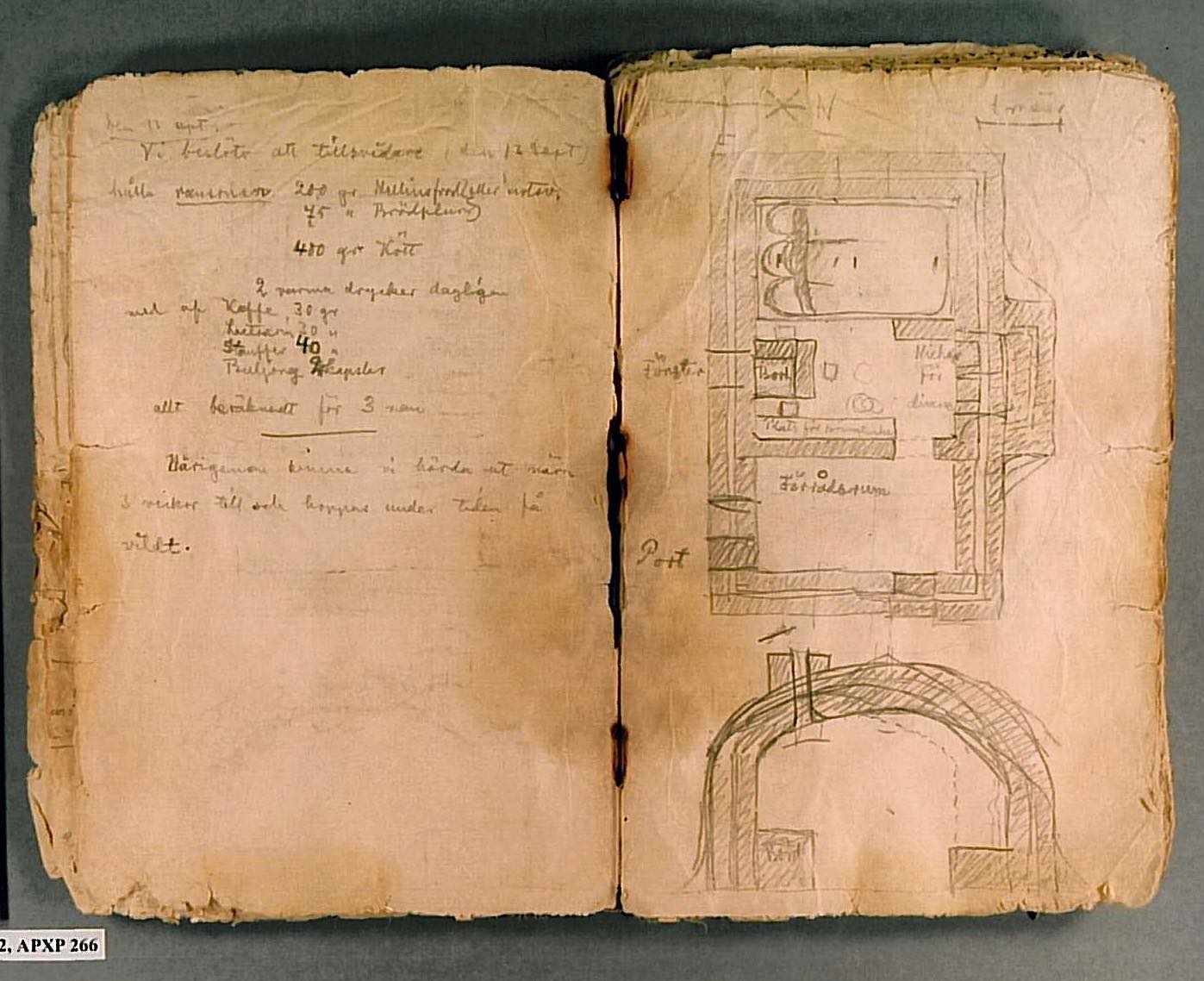
2021-04-13
A page from one of the diaries of the unfortunate Andrée Arctic balloon expedition of 1897. The balloon set out from Svalbard in an attempt to reach the North Pole by hot air balloon. The expedition crashed onto the ice after only two days up in the air, forcing the three men to start a long, troublesome and dangerous walk across the drifting ice towards safety. Because of the ice drift they sometimes almost walked backwards and after nearly two months they had trekked a surprisingly short distance. They were by then exhausted and decided to set up winter camp on a large ice floe where they built a hut of ice and snow. On the right side of the book spread is a drawing of the hut that was named “the home” and on the left a list of how they were going to ration the decreasing food supplies (for example two hot beverages a day). After only three nights in the hut the ice floe breaks in half and “the home” is ruined. After some days drifting with the subsurface currents they reach a small, inhospitable island which they call “White Island” and manage to get ashore. It will take 33 years before the remains of the expedition and its members are found on that island. #centerforhistoryofscience #royalswedishacademyofsciences #collectionsoftheRSAS #historyofscience #polarexpedition #andréeexpeditionen #hotairballoon #medörnenmotpolen #treasuresfromthearchives #historyofpolarexpeditions
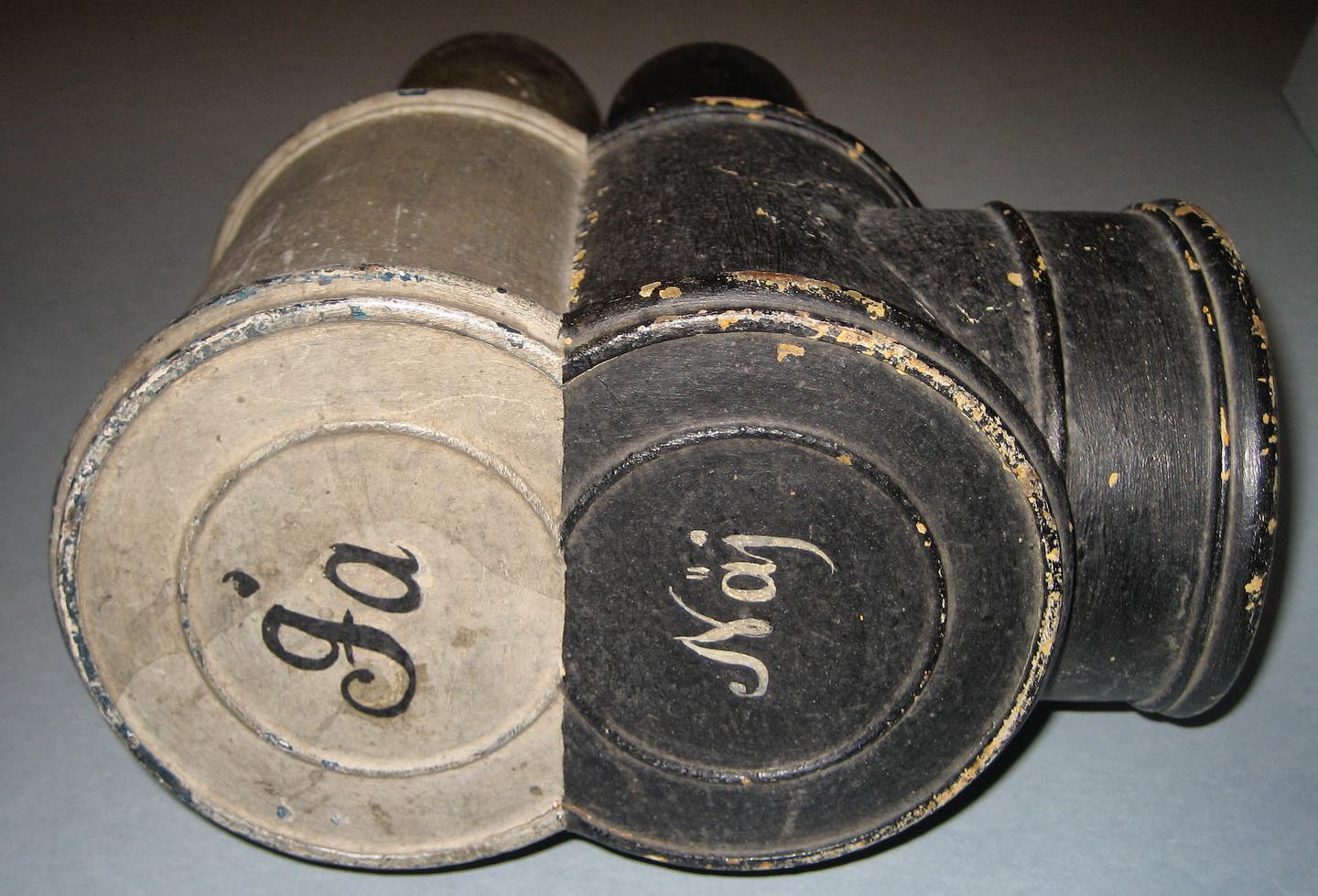
2021-03-25
This is the original ballot box of the Royal Swedish Academy of Sciences. The wooden container was a gift to the Academy from its member no. 8, Carl Johan Cronstedt. He was elected member only four days after the Academy was founded in June 1739. Later the same year he donated this wooden container with a set of black and white balls. The first Academy statues of 1739 describes the procedure for how the selection of new members is made: When a person is suggested by the president or one of the Academy fellows, the name of the nominee is noted on a board. Fourteen days later the voting is made by the Academy if the person shall be accepted or not. The voting thus takes place in such a way that the archivist walks around and distributes one white and one black ball. After that he collects the balls in a box into which the fellows separately at his own discretion puts a ball of either colour. If there is a quarter of black balls against three quarters of white balls the nominee cannot be accepted, but if the number of black balls does not rise to a quarter then the choice is right and accepted. #centerforhistoryofscience #royalswedishacademyofsciences #centrumförvetenskapshistoria #kunglvetenskapsakademien #treasuresfromthearchives #historicalcollection #ballotbox #18thcentury #votingmethods
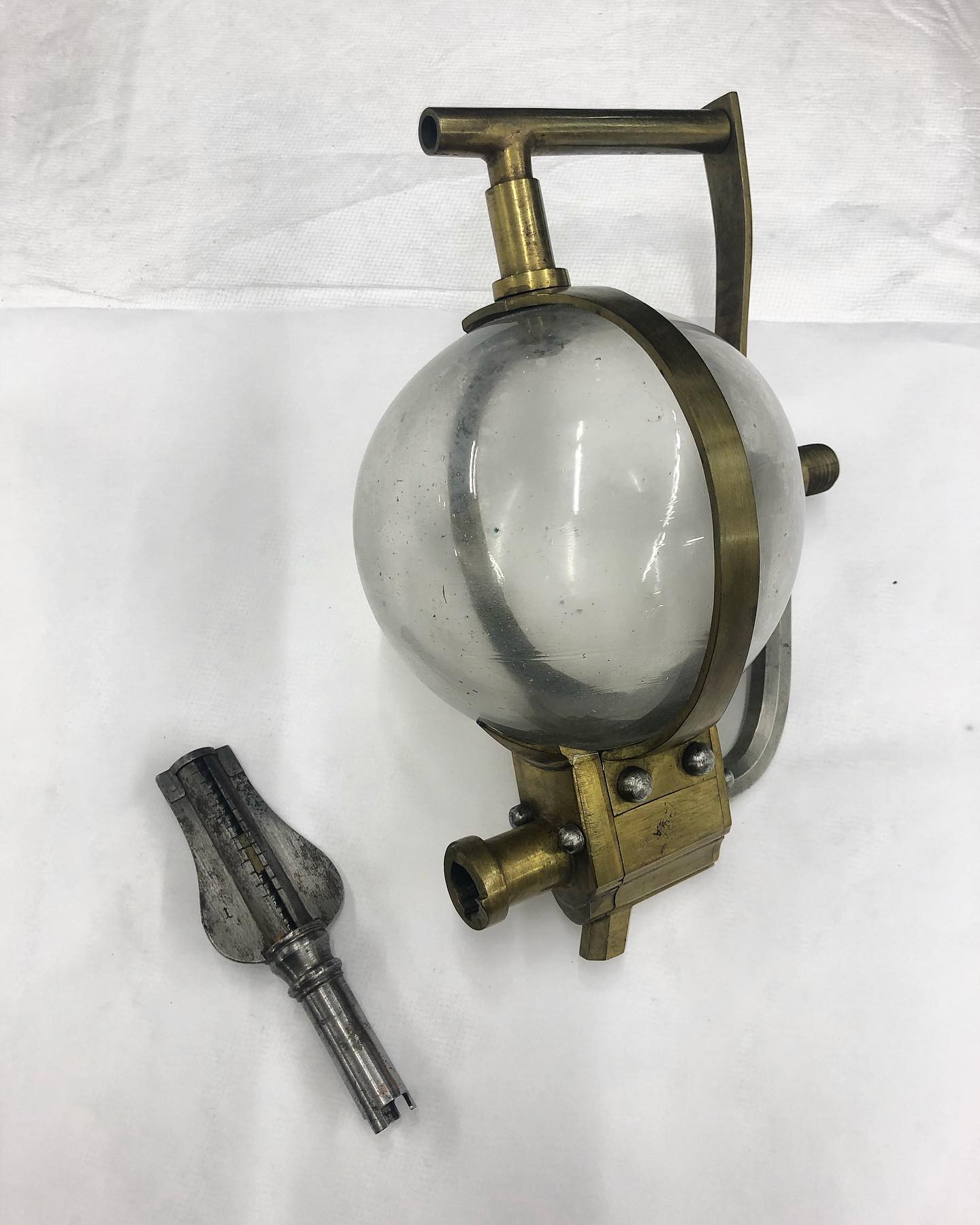
2021-03-04
?This locking faucet is thus set up that a maid cannot tap up more drink than the master or mistress has requested.? In this way the remarkable invention by Christopher Polhem is introduced in a contemporary technical description in 1717. The ingenious tap was intended to be attached to a liquor, beer or wine barrel to prevent the servants to steal drinks. The head of the household had the primary key and the servants was intrusted with another secondary key. With the primary key the desired amount was set and the servant could with the secondary key only tap the pre-set amount. It was only the primary key that could remove the faucet from the barrel without causing damage. Christopher Polhem (1661-1751) was a scientist, inventor and industrialist. He was elected member of the Royal Swedish Academy of Science two weeks after the Academy?s very first meeting in 1739. The rare object was donated to the Academy in 1779 by its member Johan Gabriel von Seth whose father had received it as a gift from the inventor himself. #centerforhistoryofscience #theroyalswedishacademyofsciences #instrumentcollections #historyofscience #scientificinstruments #scientificinstrumentscollections #historicalinventions #christopherpolhem #householdtips
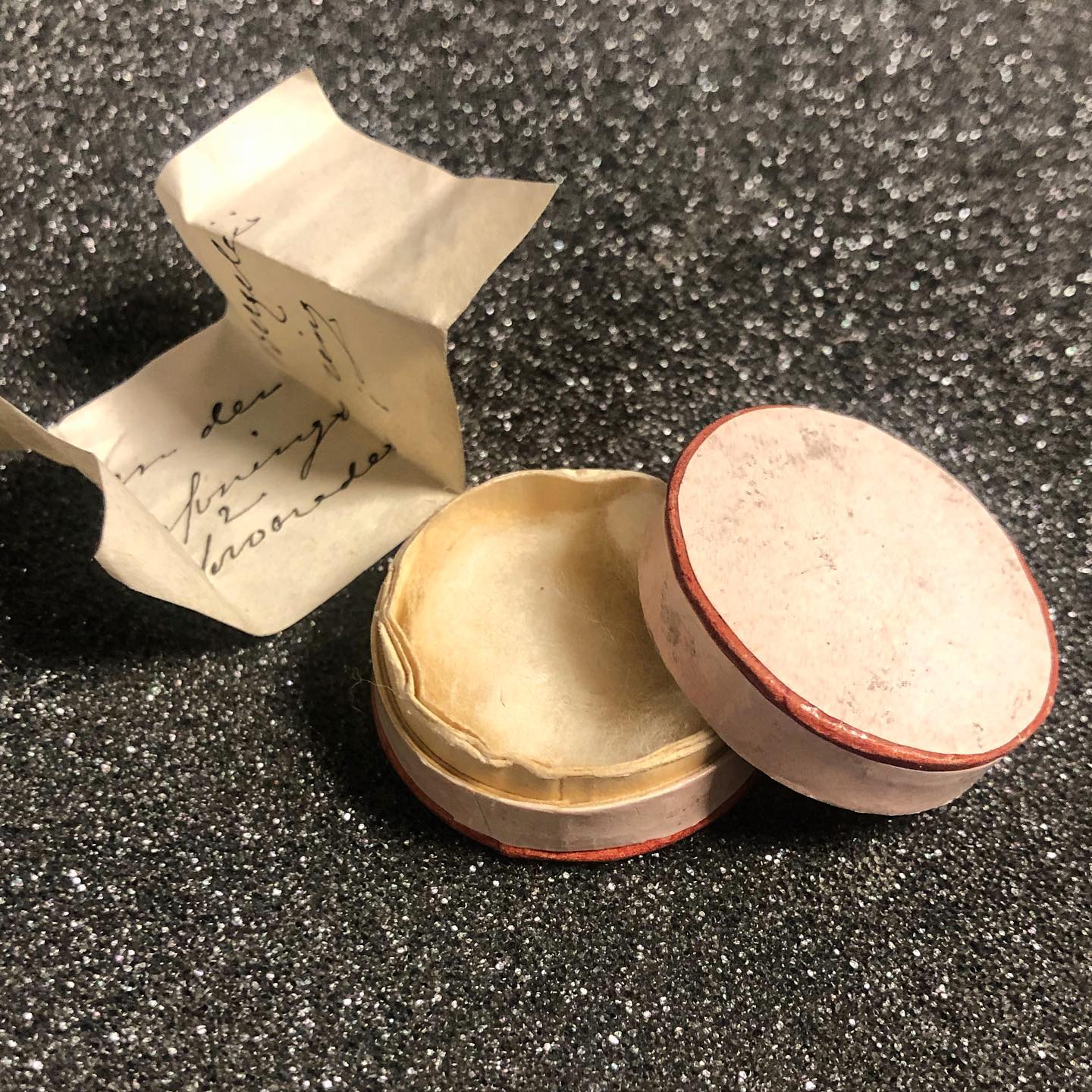
2021-02-14
The world famous chemist Jacob Berzelius (1779-1848) didn?t just carry a torch for science but was apparently also quite the romantic. Among the extensive collection of laboratory items donated to the Swedish Academy of Sciences after his death, you can also find some personal belongings such as this tiny pink box with a handwritten note inside that says ?the box in which my engagement ring was kept? #happyvalentinesday #centerforhistoryofscience #historyofscience #unexpectedarchivefind #tokenoflove??
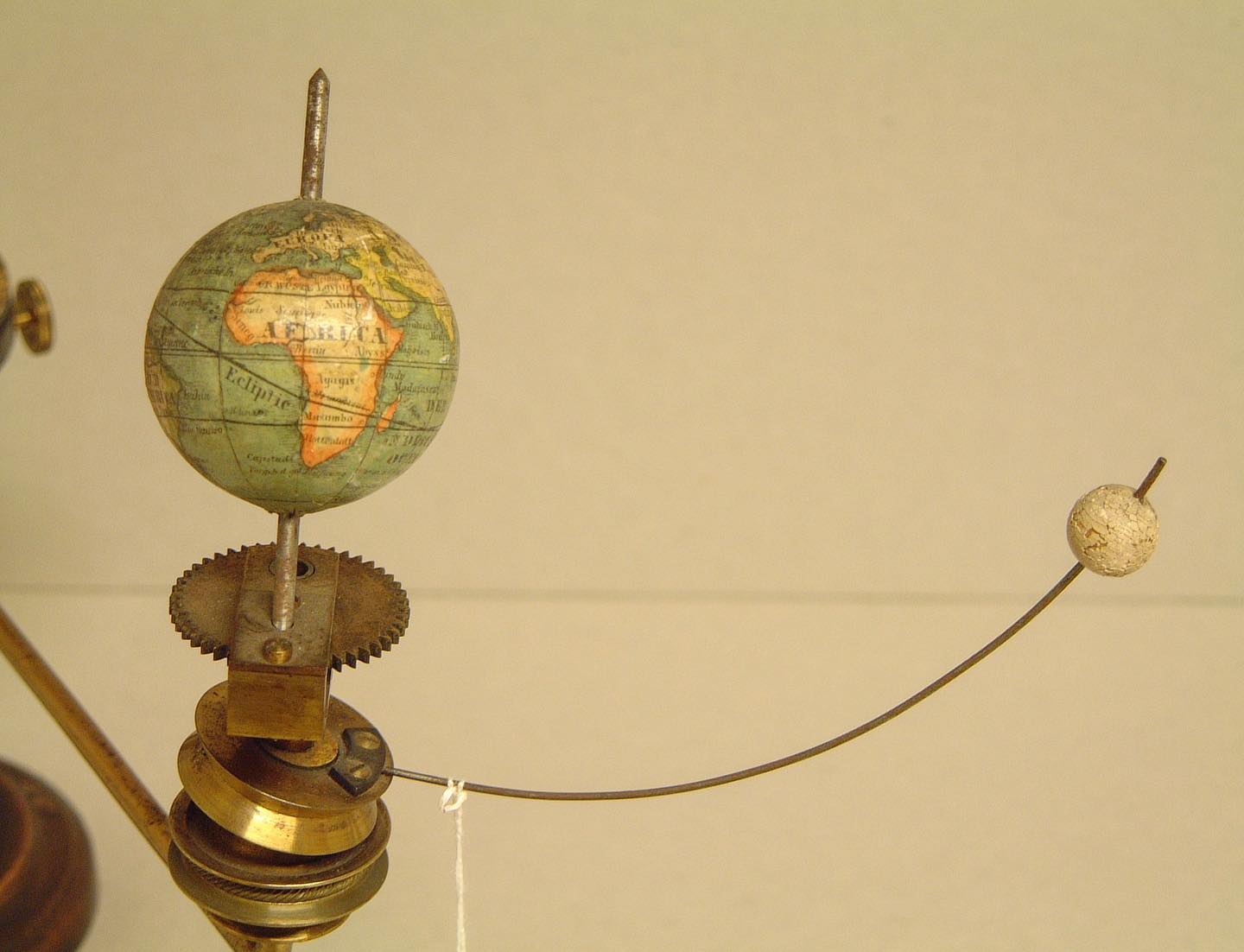
2021-02-11
Detail of a 19th century tellurium from our collections. A tellurium or tellurion is an old teaching device to illustrate how the movement of the earth on its axis and around the sun causes night and day and the changes of the seasons. On image no 2 you see the holder where to put the candle that represents the sun. #centerforhistoryofscience #royalswedishacademyofsciences #scientificinstrumentscollections #tellurium #historyofscience #theearthkeepsspinning #historyofknowledge #treasuresfromthearchives
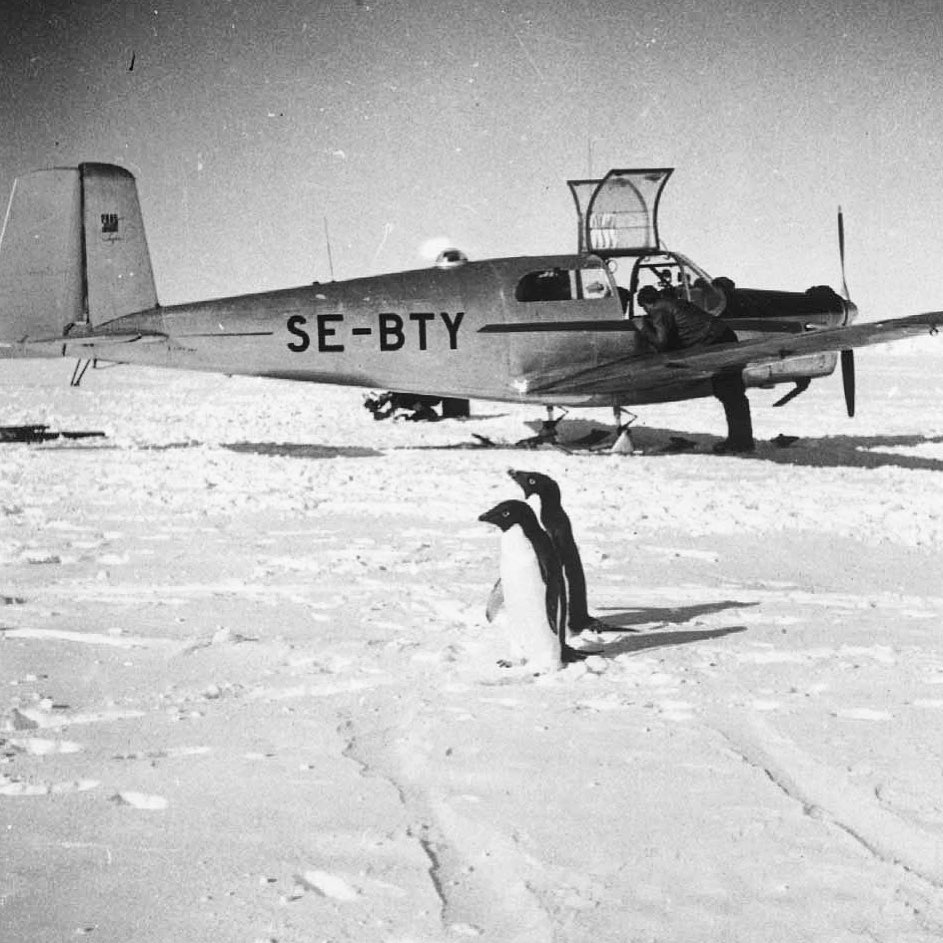
2021-01-20
Even though we can?t fly all over the world at the moment a lot of us are enjoying a snowy winter. The Norwegian-British-Swedish Expedition (1949-1952) was the first expedition to Antarctica that involved an international team of scientists. The aim was to establish whether observed climate fluctuations in the Arctic was also occurring in the Antarctic. Small aeroplanes were used for reconnaissance and aerial photography. #penguinsdontfly #centerforhistoryofscience #royalswedishacademyofsciences #historyofscience #polarhistory #polarexpeditions #antarctic #NBSX#archivescollections #polarphotography
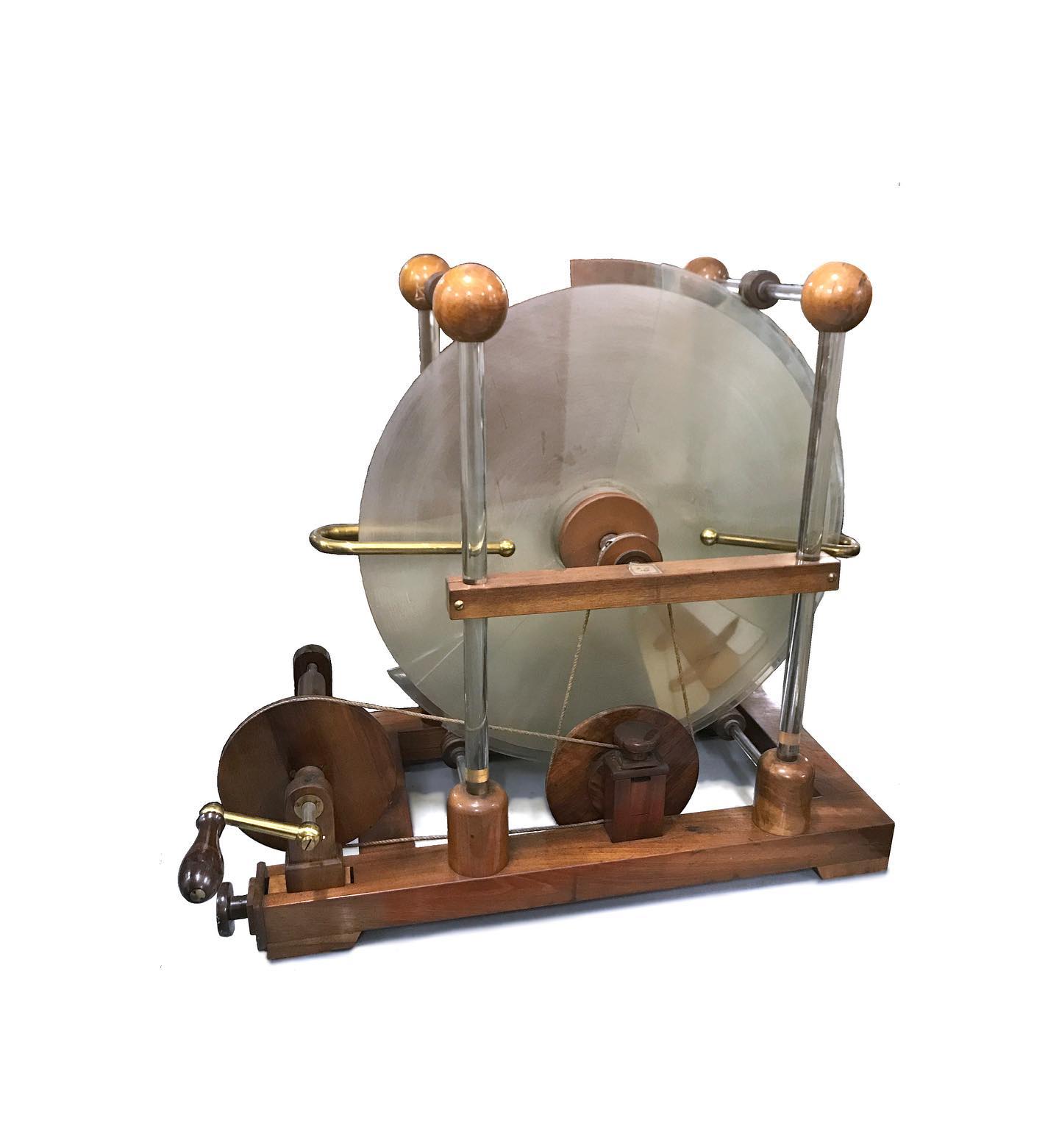
2020-01-30
This electrostatic machine known as the Holtz influence machine, was the first really powerful influence machine to be developed. It was invented by Wilhelm Holtz (1836?1913), in Germany, and first described in 1865. The original machine consists of a rotating disc in front of a slightly larger, fixed disc, which rests on isolated supports. The fixed disc has two openings or windows diametrically opposed to each other, one slightly above and the other slightly below the horisontal diameter of the disc. Paper plates (inductors) are glued to it, one below the window, the other above. One or more points of the same paper project through the windows in the disk, ending close to the back surface of the rotating disc, that turns in a direction opposite to that points. In the front side of the rotating disc, opposite to the inductors in the fixed plate, are two charge collectors which collect charge from the front surface of the rotating disc, and are connected to the terminals of the machine. The machine in our collection has two fixed glass discs with one rotating disk on each side. Unfortunately, the discs have been damaged. The interrupter or electrotome is a device to convert direct current to alternating current. The current passes through the electromagnet on the right-hand side, which tilts the pivoted horizontal beam, and breaks the contact between the downward-pointing pin at the left end of the beam and the mercury in the glass cup. This breaks the current through the coil, and the beam tilts back. This in turn re-establishes the contact with the mercury and the current through the coil. The frequency of the current is controlled by the position of the sliding spherical weight at the top of the vertical rod. If you look closely on the painting, you can see wires going from the electrotome to the right, most likely connected to a Ruhmkorff induction coil standing on the table outside the picture. #centerforhistoryofscience #treasuresofthearchive #science #physics #historyofphysics #electricity #historyofelectricity #scientificheritage #historyofscience #electrotome #electromagnet #electrostaticmachine #holtzmachine #influencemachine #rsas
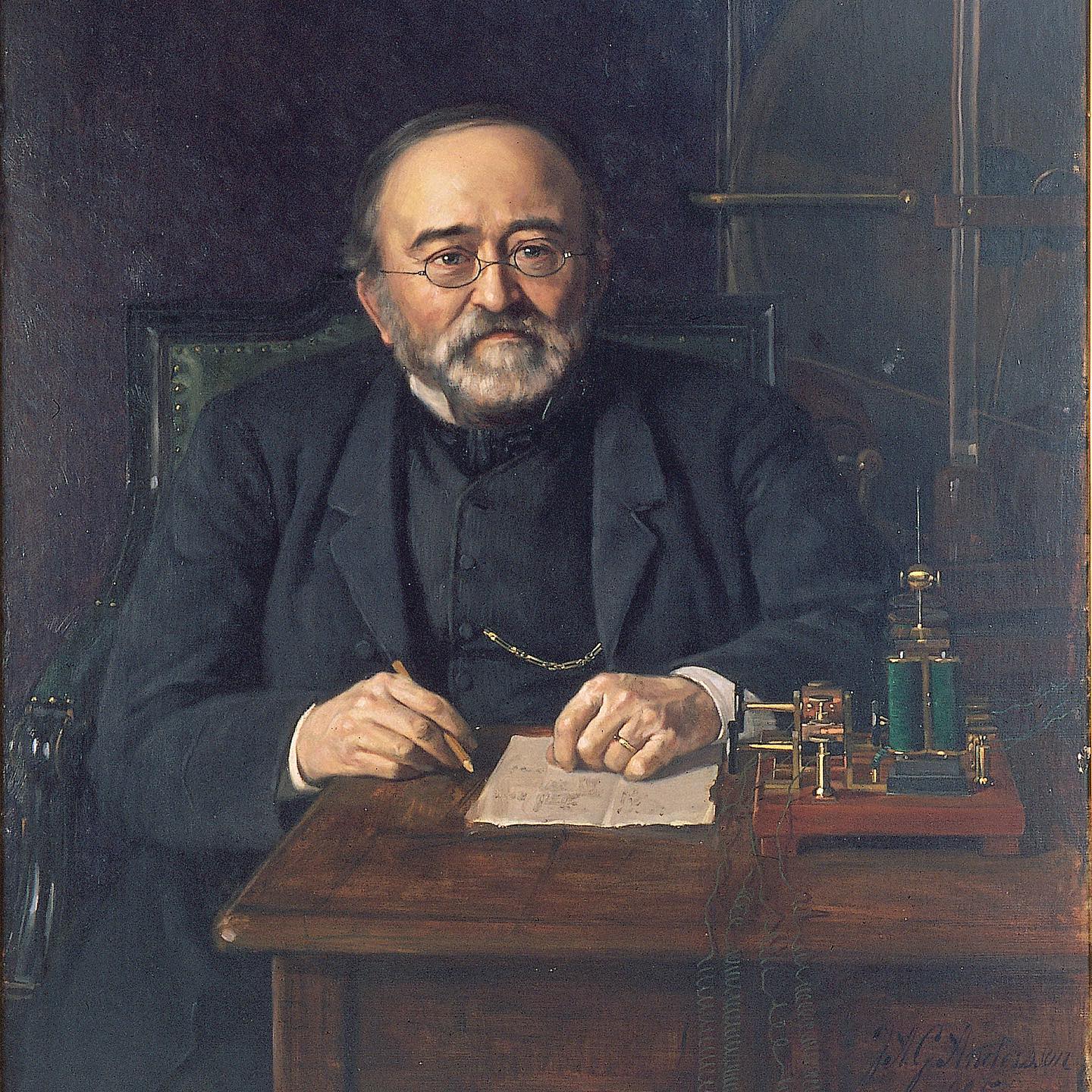
2020-01-30
This is a portrait of professor Erik Edlund (1819?1888), Swedish physicist, Academy member and it?s physicist from 1850 to 1888. He was particularly interested in electricity, which you might notice in the painting. Several items in the portrait are real objects, still in the possession of the Academy: the electrostatic machine to the right behind him, the smaller apparatus on the table, and the chair in which Edlund sits (although the artist might have used some artistic freedom on some details on the top., or the knobs were added later). This particular, early 19th century, armchair has been used by the chairman of the board of the Academy during the 20th century, and for many years it has been where the Secretary general sits when he makes his phone call to the Nobel laureates! More information on the electric devices will follow soon! #centerforhistoryofscience #scientificheritageportrait #historyofelectricity #historyofphysics #electricity #portraitsofswedishscientist #thenobelprize #vetenskapsakademien #rsas
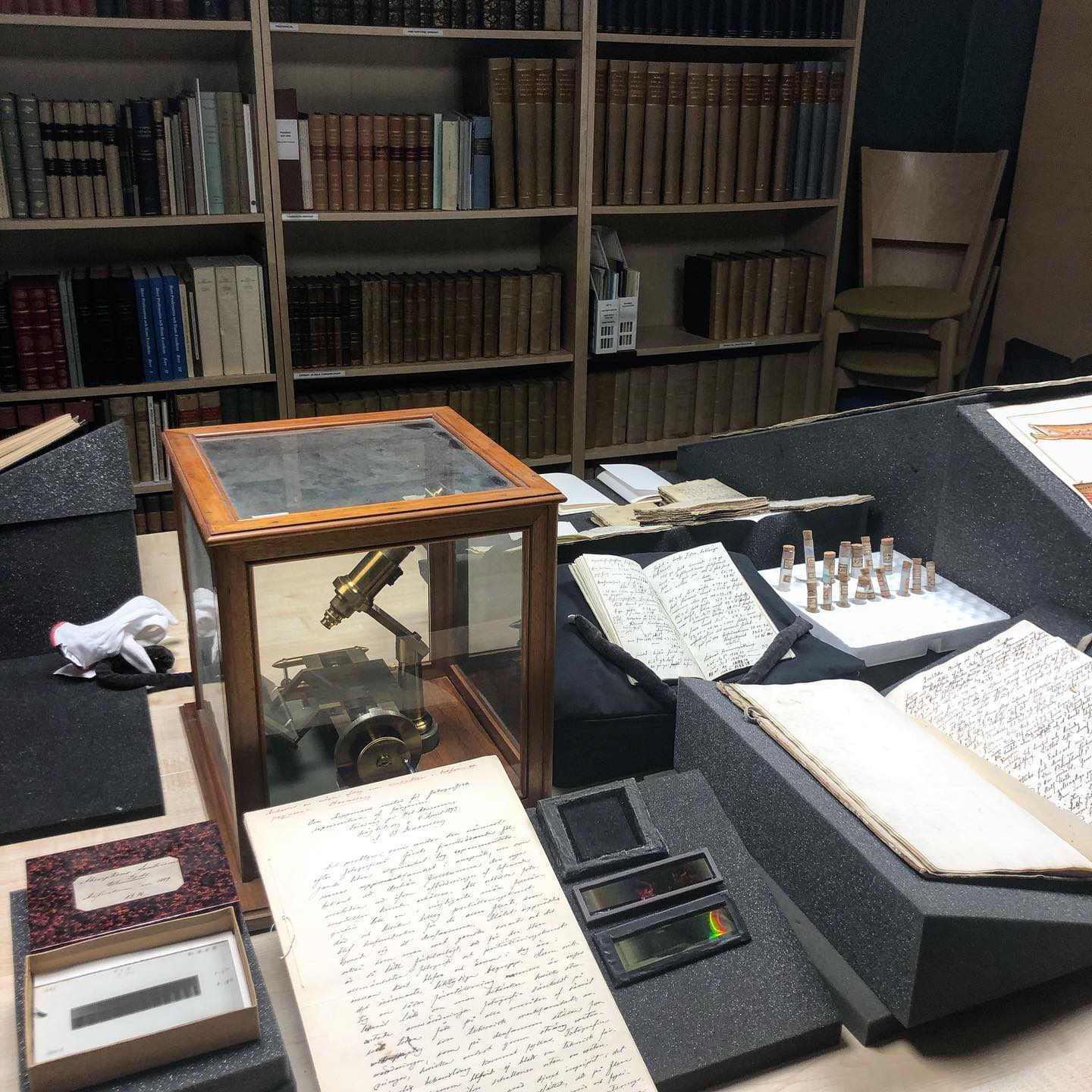
2020-01-28
Preparing the annual presentation of our collections for students from the University of Stockholm. #centerforhistoryofscience #treasuresofthearchives #historyofscience #scientificheritage #archive #manuscripts #scientificinstruments #oldstuff #newpresentation
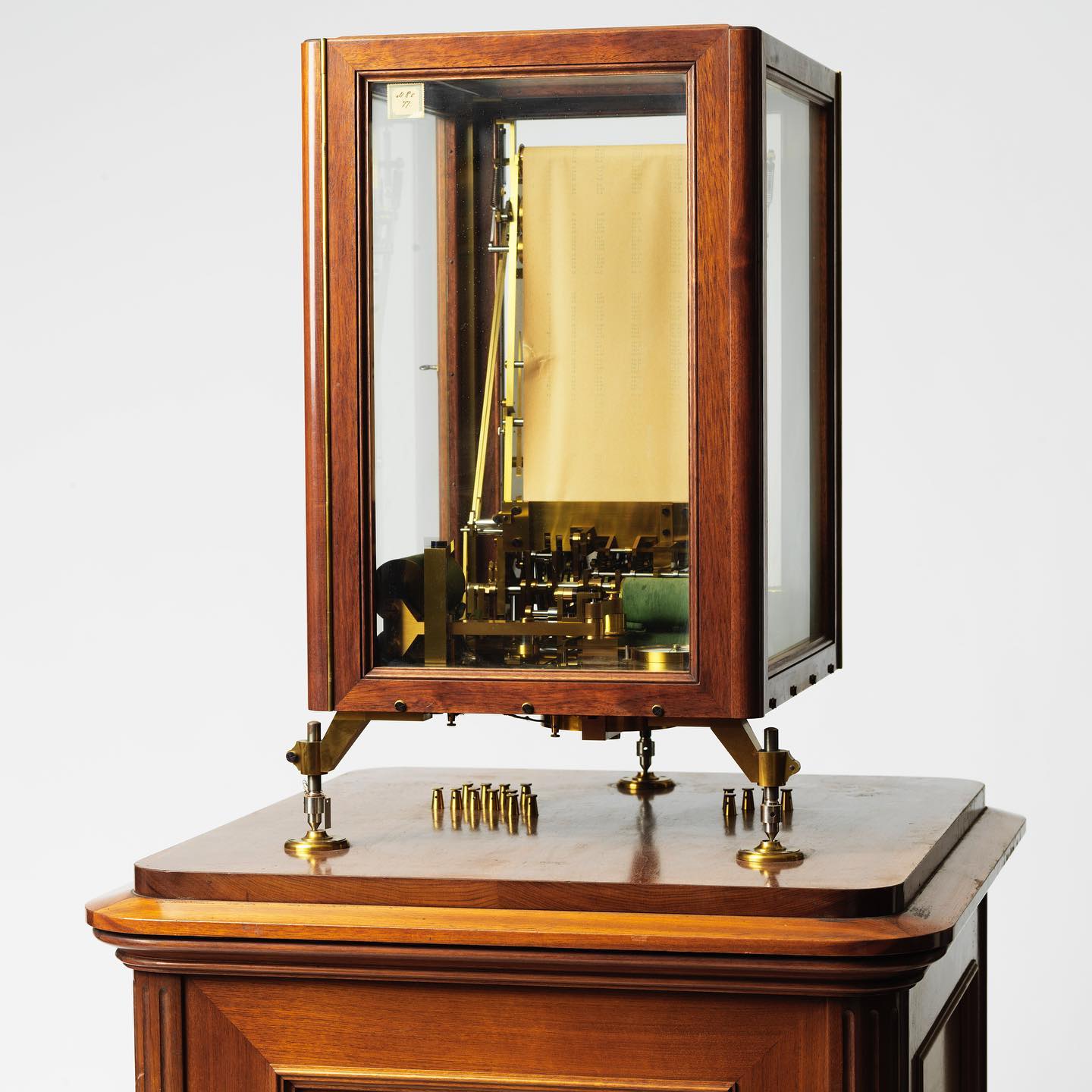
2020-01-23
As our first post of the year (and in a long while...), we present this beautyfully made instrument from the late 19th century. It is an apparatus called a meteorograph, an apparatus for registration of meteorological observations, i.e. air pressure, temperature and humidity as well as force and direction of wind. It was designed by Axel Gabriel Theorell (1834–1875), a Swedish physicist and engineer and professor at the Institute of Technology in Stockholm. It was first designed in 1866 and further refined during the 1860’s and 1870’s. It was considered unsurpassed by anyone else in regard to accuracy. The observations, or data, are registered as both values and time of observation simultaneosly for the barometer, wet and dry thermometer and anemometer, in different columns on the roll of paper. The instrument was built by P. M. Sörensen (1837–1907), instrument maker to the RSAS 1864–1906. Photo: @myrehed #centerforhistoryofscience #treasuresofthearchive #treasuresofthearchives #scientificinstruments #historyofscience #science #meteorology #meteorologi #physics #measuringapparatus #meteorograf #meteorograph #scientificheritage #weather #climate
2019-10-24
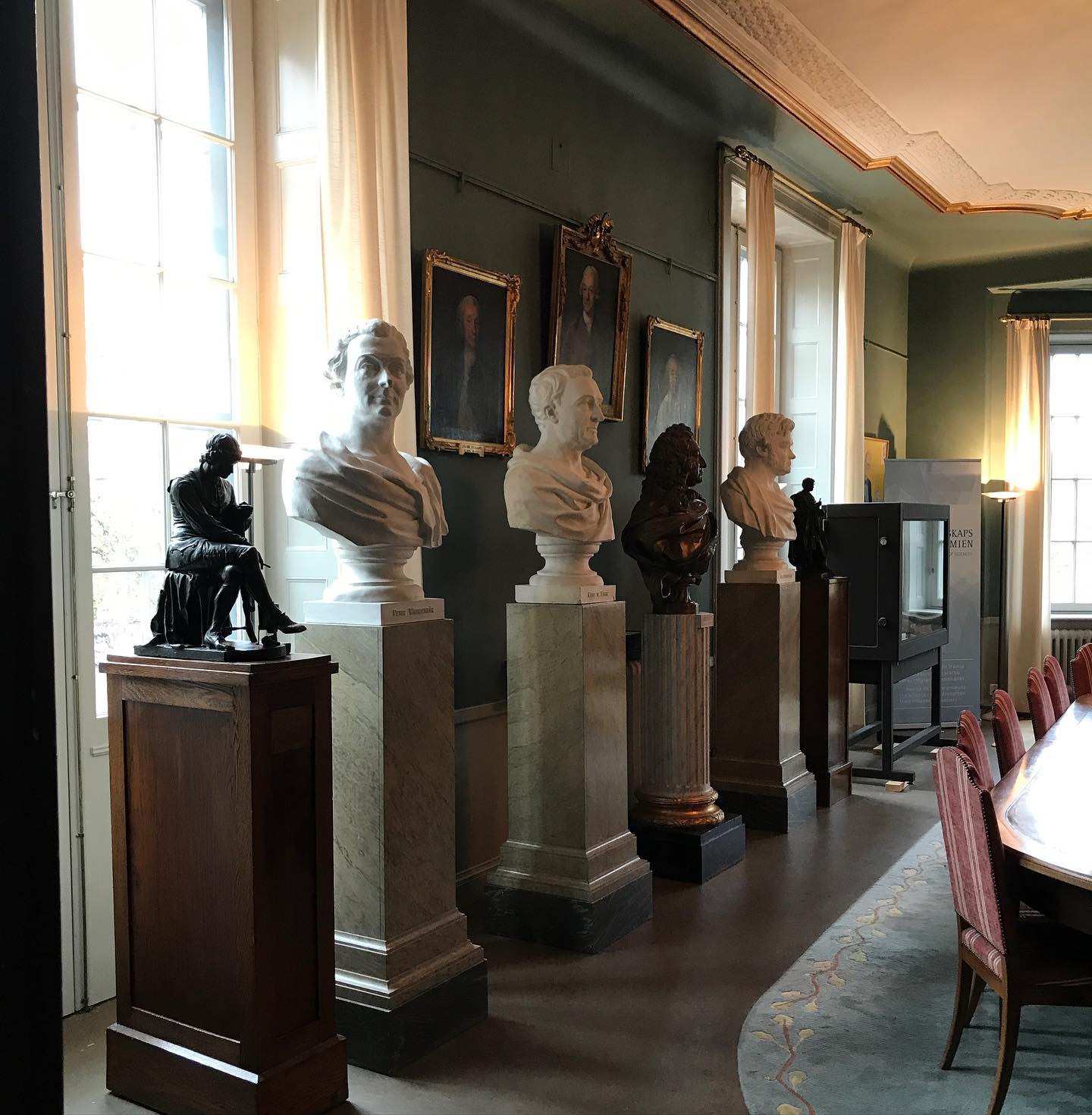
Due to renovation and modernization of the Academy?s building, some parts of the collection of portraits of members of the Academy have to be temporarily relocated. Here we see a few sculptures on parade, among others chemists Scheele and Berzelius as well as Linnaeus (one of the founders of the Academy). The one glancing at us is the astronomer Pehr Wargentin. #rsas #kva #vetenskapsakademien #theroyalswedishacademyofsciences #centerforhistoryofscience #art #sculpture #portrait #treasuresinthecollection #wargentin #berzelius #linnaeus #scheele #justanotherdayatwork #movingstuff #flyttbestyr #housekeeping #collectionscare #preservation #conservation
2019-10-02
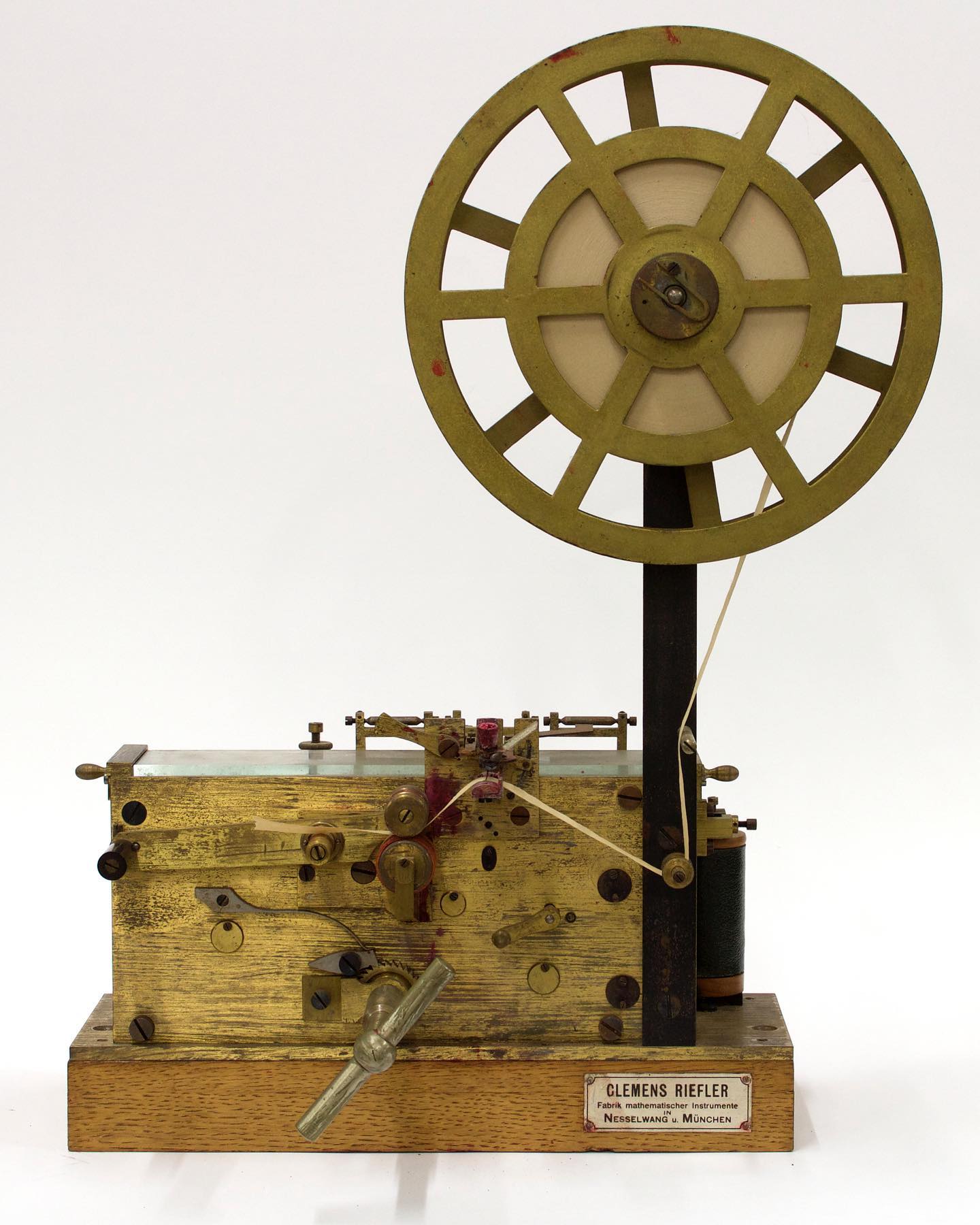
Now this might look like an ordinary telegraph. Well, it is, but it have been used in a specific context. The apparatus was used in observations with a meridian passage instrument at the Stockholm observatory, and later for practice observations at the observatory in Saltsjöbaden (where the Stockholm observatory had moved in 1930). The device feeds a paper strip at an even speed and is equipped with an ink printer that can take two different positions laterally controlled by electrical impulses. The meridian instrument is fixedly mounted in the meridian but movable in declination. When a selected star approaches the meridian, it is followed by a movable crosshair that, in certain positions, gives impetus to the printer. At the meridian, the instrument tube can be rotated 180 degrees in azimuth so that what has been the eastern support pin becomes the west and vice versa. Now you can follow the star with the crosshair as it leaves the meridian through the same impulse positions as before, but in the reverse order. At the same time, one of the observatory's main clocks has given impulses to the printer every second so that the star time of the passage for each pulse position can be determined. The average of the times for a pair of pulse modes before and after the meridian gives a value of the time of the star's meridian passage and thus its right ascension. #telegraph #meridian #observation #observatory #astronomy #timekeeping #historyofastronomy #scientificheritage #historyofscience #centerforhistoryofscience #treasuresofthearchives #scientificinstruments
2019-10-01
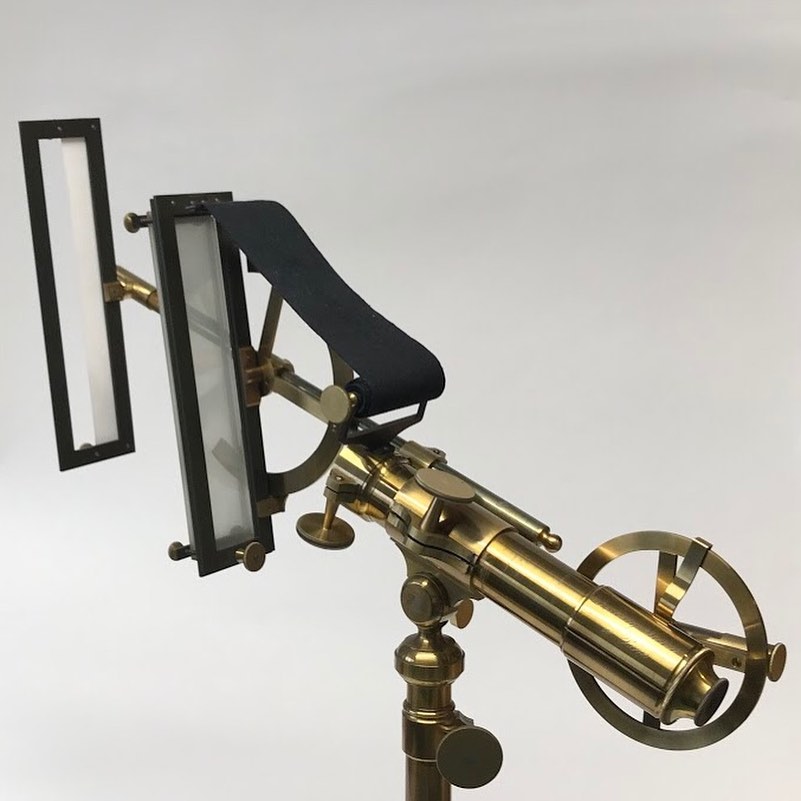
We are having rather windy, but beautiful autumn weather today here in Stockholm, with clear, blue sky. But exactly how blue, you might wonder? The cyanometer, a device to measure the ”blueness” of the sky, is attributed to Horace-Bénédict de Saussure in Geneva in 1789. de Saussure, often called the founder of alpinism and modern meteorology, used squares of paper dyed in graduated shades of prussian blue, arranged in a circle, which you could compare to the sky. The apparatus shown here, is another kind of cyanometer, called a cyano-polarimeter. It works by letting polarized light pass through a sheet of quartz and a double refracting prism. The sun light is reflected by a sheet of white paper (covering only half the frame), goes through a set of glass sheets and the quarts, and then through the prism. Different degrees of polarization is achieved by turning the set of glass. The intensity of the blue color is measured by turning the set of glass sheets, until the colour you see through the lense matches the sky. The comparison is made through the use of two paths of light, one with the lenses, the other without (looking directly at the sky), both visible through the eye piece. The degree of angle read on the scale gives the intensity. This apparatus in our collection of scientific instruments is beautifully made by Duboscq & Soleil in Paris, probably in the late 1840’s, and was designed by french physicist and meteorologist Jean Charles Athanase Peltier (1785-1845). It is a further development of the cyanometer by François Arago (1786-1856), presented to the Académie des sciences in 1841. #bluesky #cyanometer #cyanopolarimeter #cyanopolarimetre #polarization #optics #science #history #meteorology #historyofscience #scienceheritage #centerforhistoryofscience #treasuresofthearchives #scientificinstrument #vetenskapsakademien #centrumförvetenskapshistoria
2019-09-30
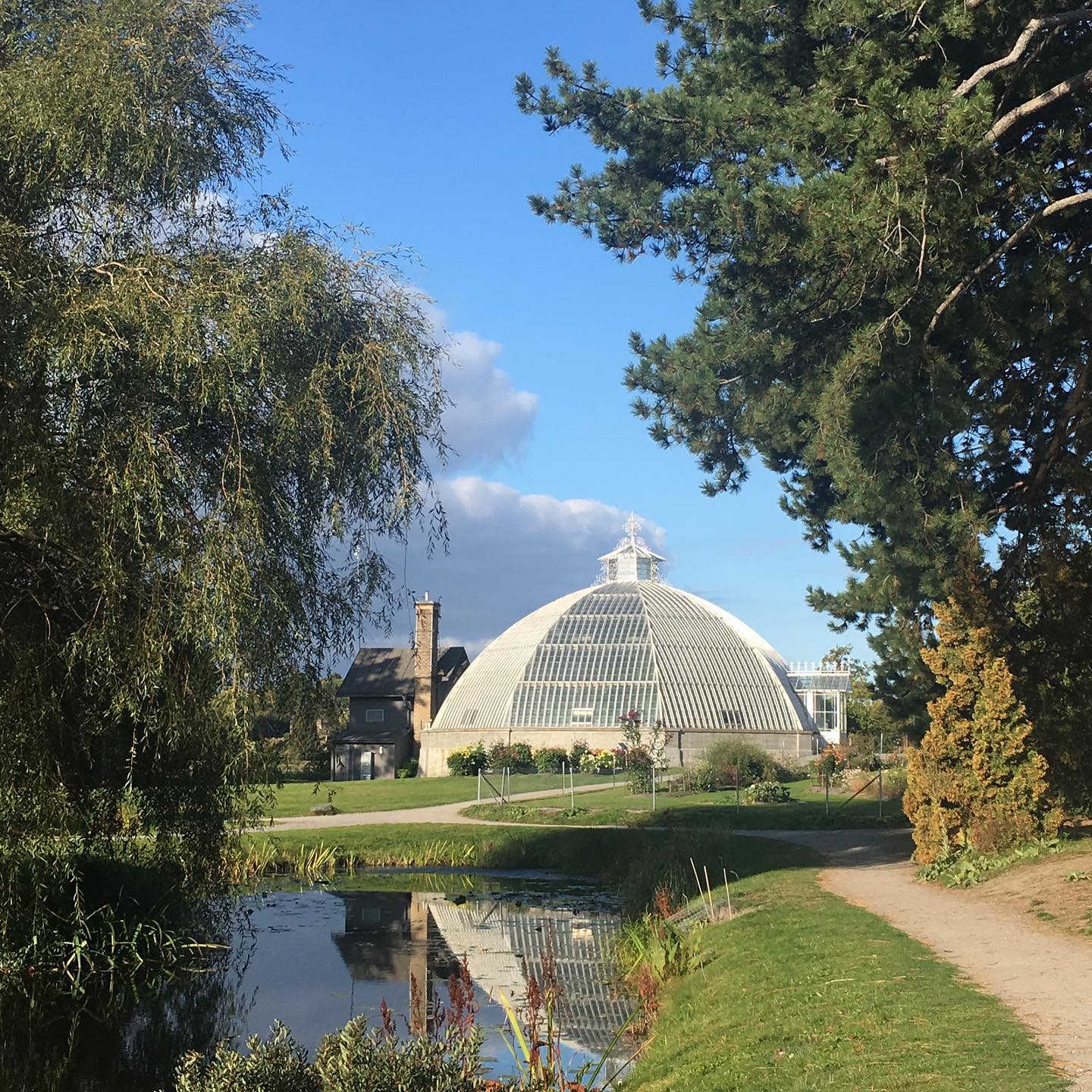
Last Friday we had the opportunity to visit the beautiful Victoria greenhouse, part of the Bergius Botanic Garden which was donated to the Academy in the 18th century. The Victoria house was built in 1900 and is classified as a historical building. 2. Inside is cultivated the giant water lily Victoria with leaves that can reach a diameter of 2,5 meters and are sturdy enough to carry up to 70 kilograms. The bulbs open in late summer nights and each flower blooms for two nights only. In this greenhouse you can also see them early mornings if you?re lucky. 3. Veit Wittrock was professor and director of the garden between 1879-1914 and in his archive we find traces of the planning process for example estimated costs, quotations and glass house catalogues and plant lists. 4. Plan of the garden and architectural drawing of the Victoria house. 5. The calendar of professor Wittrock from the year 1900 in which he has noted the first planting of the Victoria water lily in the new greenhouse. For more information about the Bergius Botanic Garden visit www.bergianska.se
2019-09-10
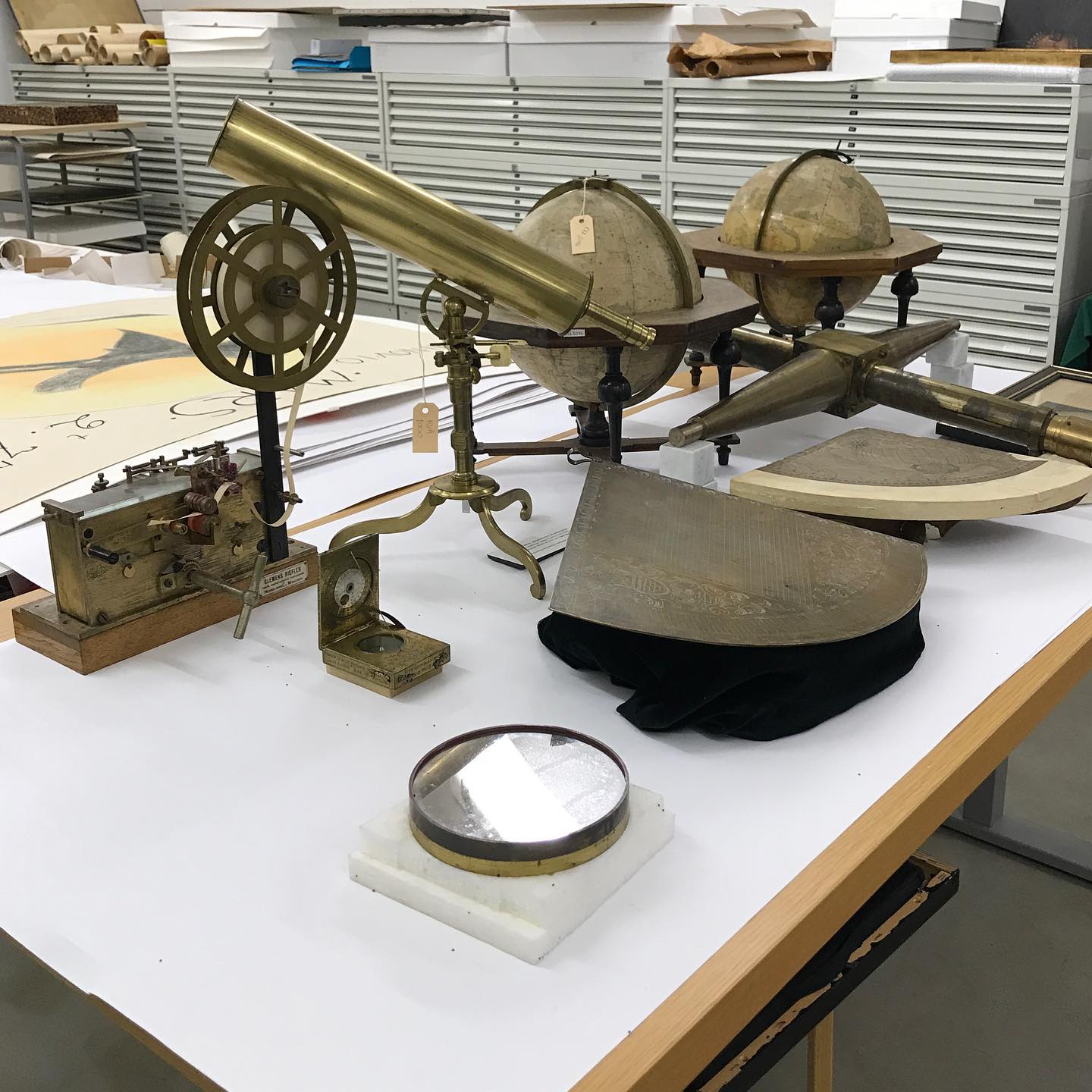
Preparing a presentation for students in the History of ideas from Stockholm university. #centerforhistoryofscience #historyofscience #education #archive #manuscripts #globes #quadrant #reflectivetelescope #mirror #herschel #scientificinstruments #treasuresofthearchives #scientificheritage #herschel #astronomy #historyofastronomy #howcoolisthat #centrumfo?rvetenskapshistoria
2019-07-19
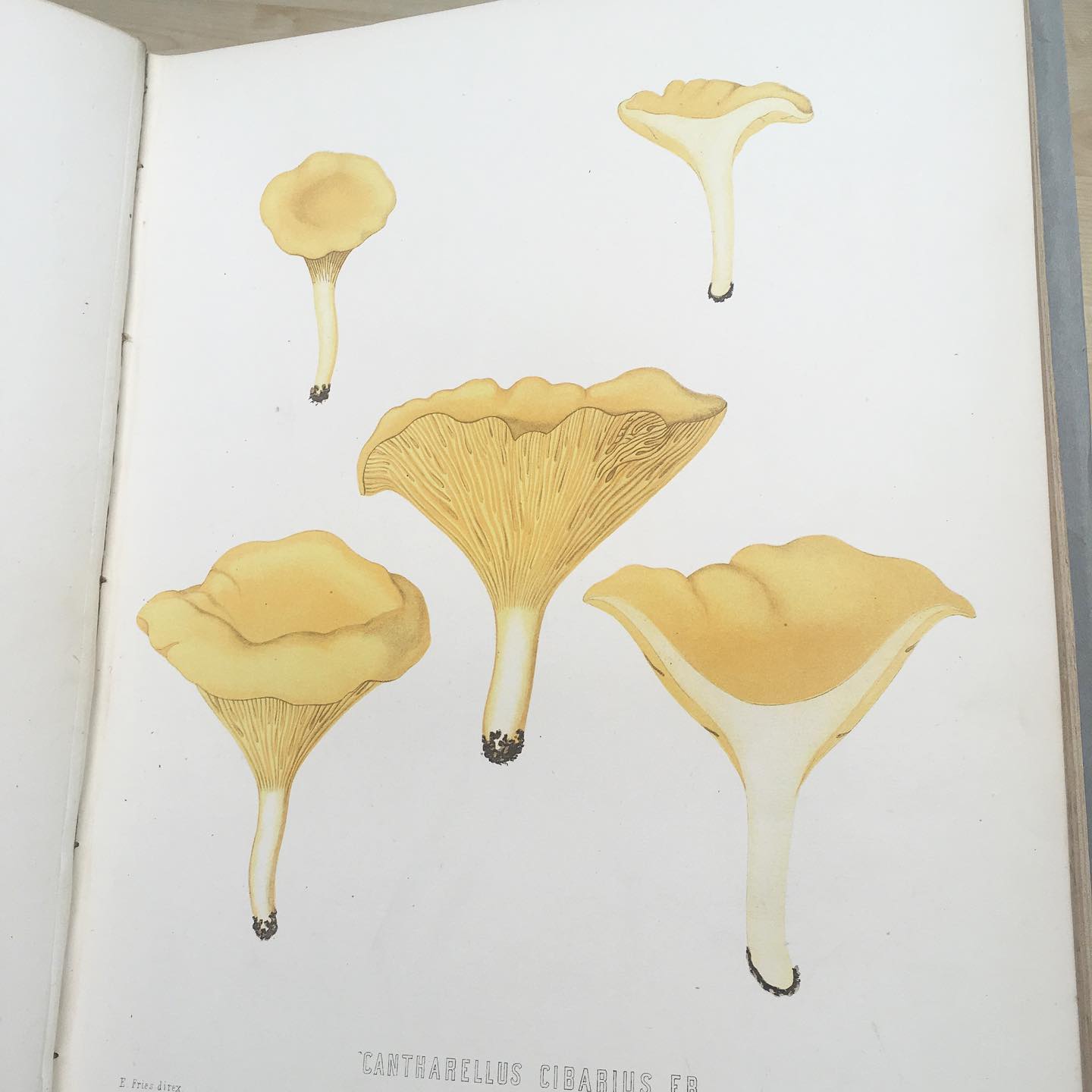
Images from the first Swedish publication on edible and poisonous mushrooms printed in 1860. Picking and eating mushrooms has a long tradition. Recent finds indicates that it was used as food source in the Stone Age. In ancient Greece and Rome it was a much appreciated ingredient. However not so in Sweden. When the French Marshal Bernadotte became king of Sweden in 1810 he tried to introduce his favorite mushroom (Boletus edulis) to the Swedish cuisine but it was only adapted by the upper classes. The common man still refused to eat fungus. In the middle of the 19th century Sweden had frequent periods of famine due to bad harvests and serious efforts were made to promote the mushrooms as food. Professor Elias Fries, botanist and mycologist, argued to the Academy the importance to produce and publish images of edible and poisonous mushrooms to help people understand that they were accessible and nutritious food. The Academy thus supported the project and the book “Sveriges ätliga och giftiga svampar” was published in 1860. After this more books on how to identify and cook edible mushrooms followed but the Swedish people in general was hard to convince. In 1919 a Swedish ethnologist reported that even if they were starving the country people sooner ate grass, leaves and dust or rather starved to death than eat mushrooms. Rumor has it that mushrooms was even not served in the household of professor Fries. Image 1: Chanterelles are today the most popular mushroom to pick and cook. Image 2: Cauliflower mushroom Image 3: The Boletus edulis is in Swedish called “Karl Johan” after the king Jean Baptiste Bernadotte. Image 4: Fly agaric. Pretty but lethal. According to tradition eaten by the Vikings, causing them to go berserk.
2019-02-27
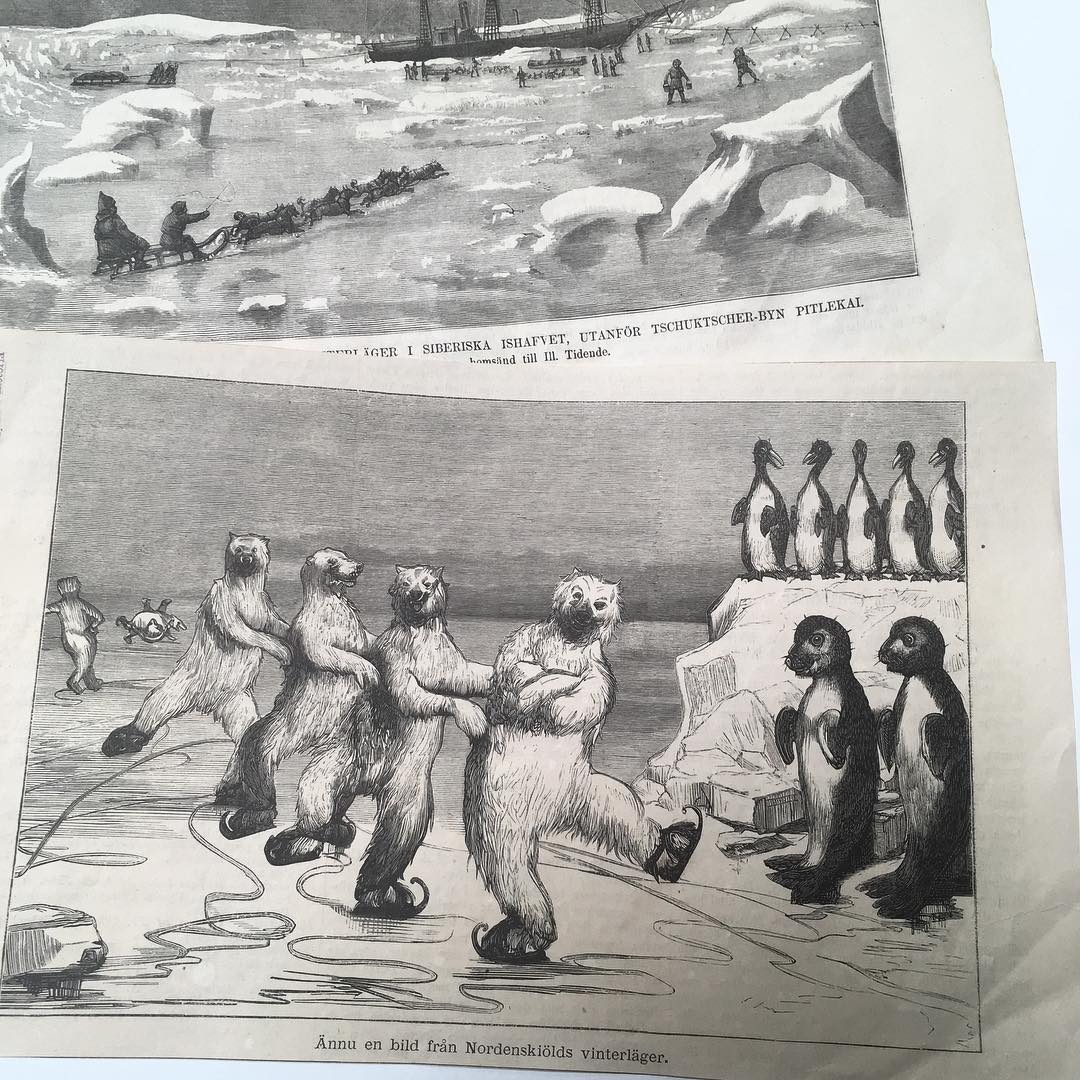
Celebrating international polar bear day with a happy ice skating dance. The image is from a 19th century newspaper, published during the Vega expedition (1878-1880) lead by Adolf Erik Nordenskiöld on a successful quest to find the Northeast passage to the Far East. The caption translates “another image from Nordenskiöld’s winter camp”. For ten months, from September to July, the ship was stuck in the ice at Pitlekai not far from the Bering Strait. Not long after the ship was free again they became the first ones to travel through the Northeast passage. #centerforhistoryofscience #historyofscience #scientificheritage #royalswedishacademyofsciences #polarhistory #polarresearch #internationalpolarbearday #treasuresofthearchive #vintagecartoon #polarhumor #polarexpedition #northeastpassage
2019-02-14
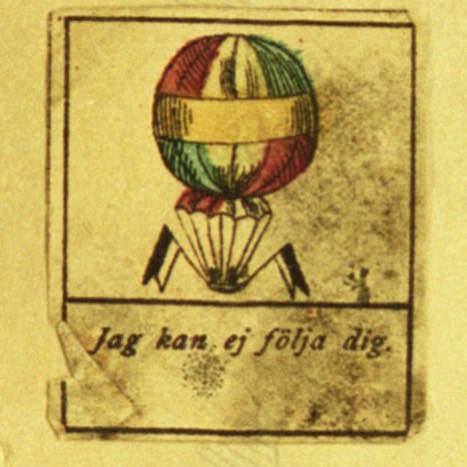
In 1897 the Andree expedition left Svalbard in an attempt to reach the North Pole by hot air balloon. One of the three men onboard was 25 year old Nils Strindberg, newly engaged to Anna Charlier. On the first page of his expedition calendar is a tiny farewell note from Anna. In the image of a balloon Anna has drawn herself on the ground waving a handkerchief, in the balloon stands three men. One of them is waving back. Under the drawing it says ?I cannot come with you?. The balloon crashes almost instantly and the expedition members start a journey to reach civilisation by foot. The destiny of the expedition was unknown until 1930 when the last camp of the three men were found in the ice on White Island. When the expedition had been lost for almost ten years the men were proclaimed dead. Two years later Anna married Gilbert Hawtrey and moved abroad. She died in 1949 and is buried with her husband in Torquay. According to her last wishes her heart was separated from her body, cremated and put in a silver box which was then put into the grave of Nils Strindberg in Stockholm. Finally reunited. #lovestory #valentine #?#centerforhistoryofscience #treasuresfromthearchive #andreeexpeditionen #polarhistory
2019-01-21
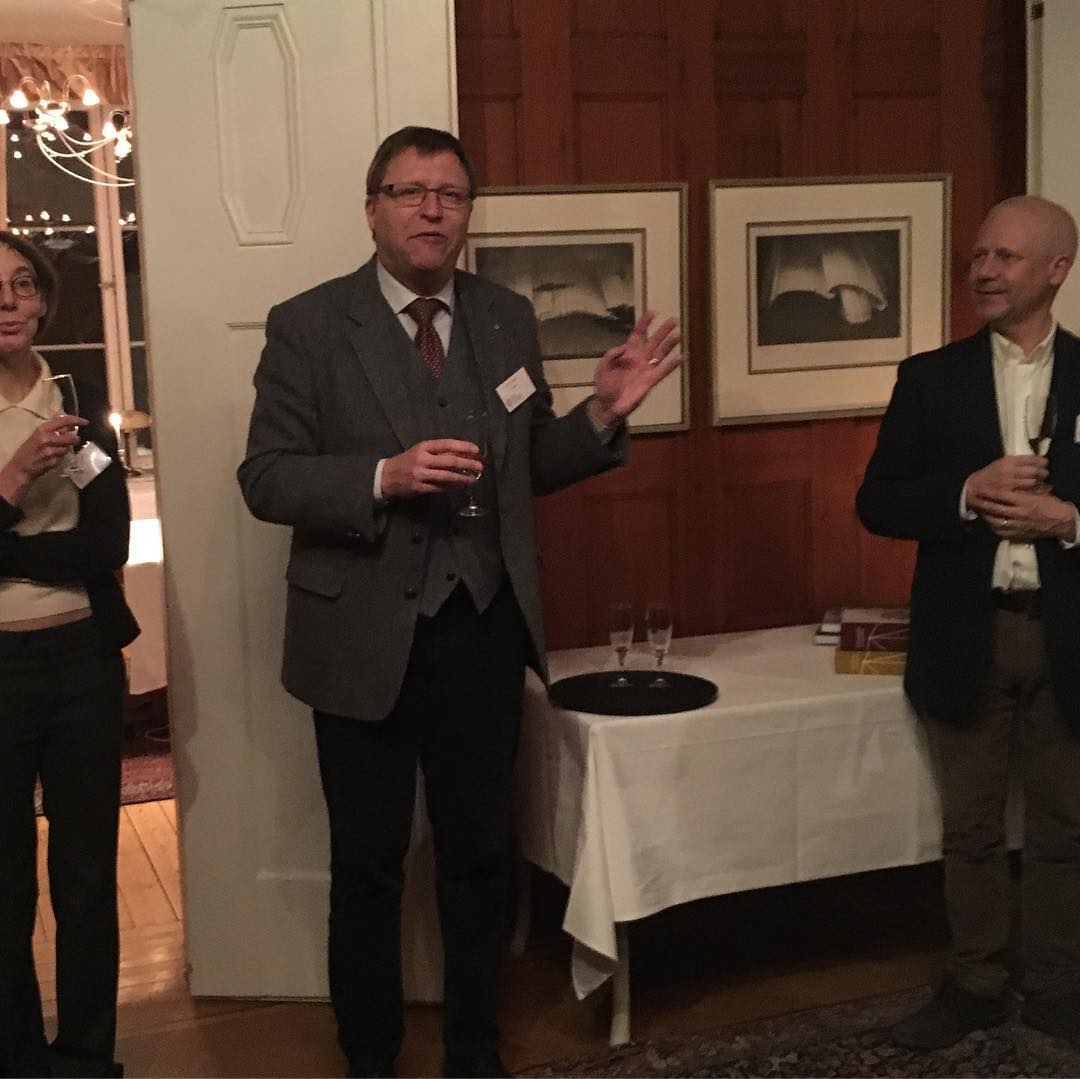
Last Friday was all about celebrating Center for history of science as we turned 30 years! The title of our 30-year symposium was ?the conditions and possibilities for the scientific heritage? which was finished with a stylish birthday dinner on our Academy?s beautiful premises. #centerforhistoryofscience #royalswedishacademyofsciences #30yearsymposium #?
2018-12-21
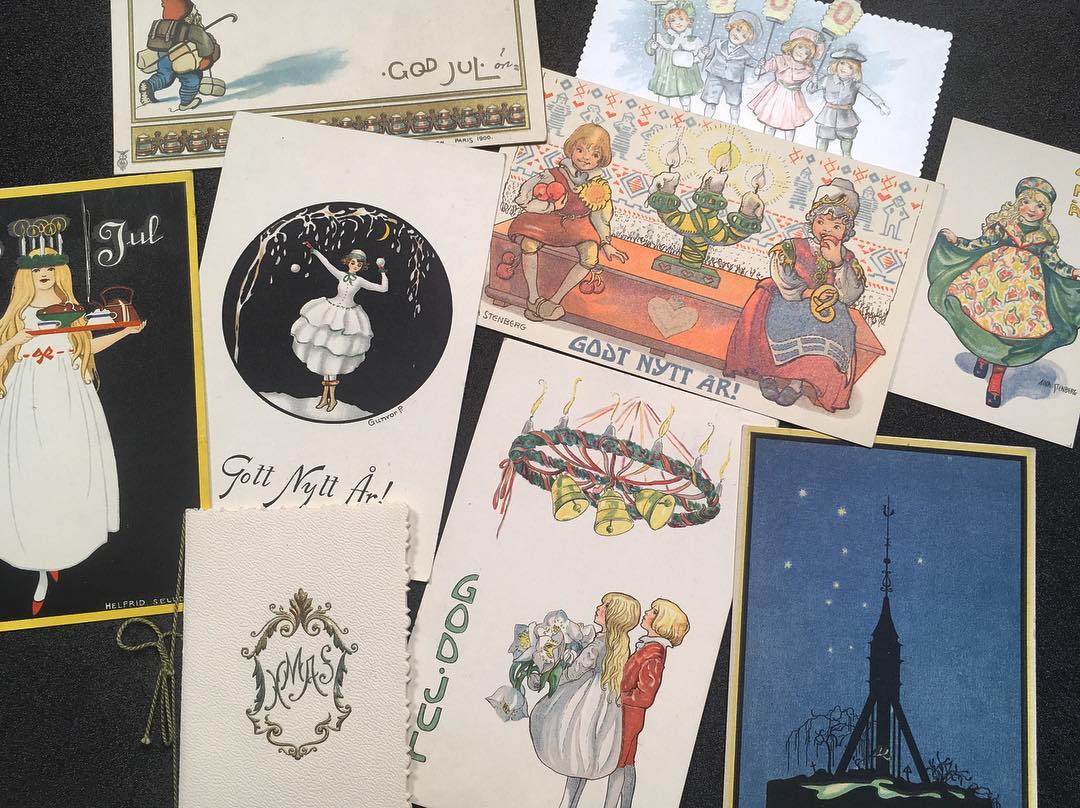
With a variety of early 20th century holiday cards from the archives, Center for History of Science wishes you a very merry Christmas and a happy new year! ?? #holidaywishes #treasuresofthearchives #centerforhistoryofscience #vintagegreetingcards #vintagepaper #royalswedishacademyofsciences #historyofscience #seeyounextyear #??
2018-11-08
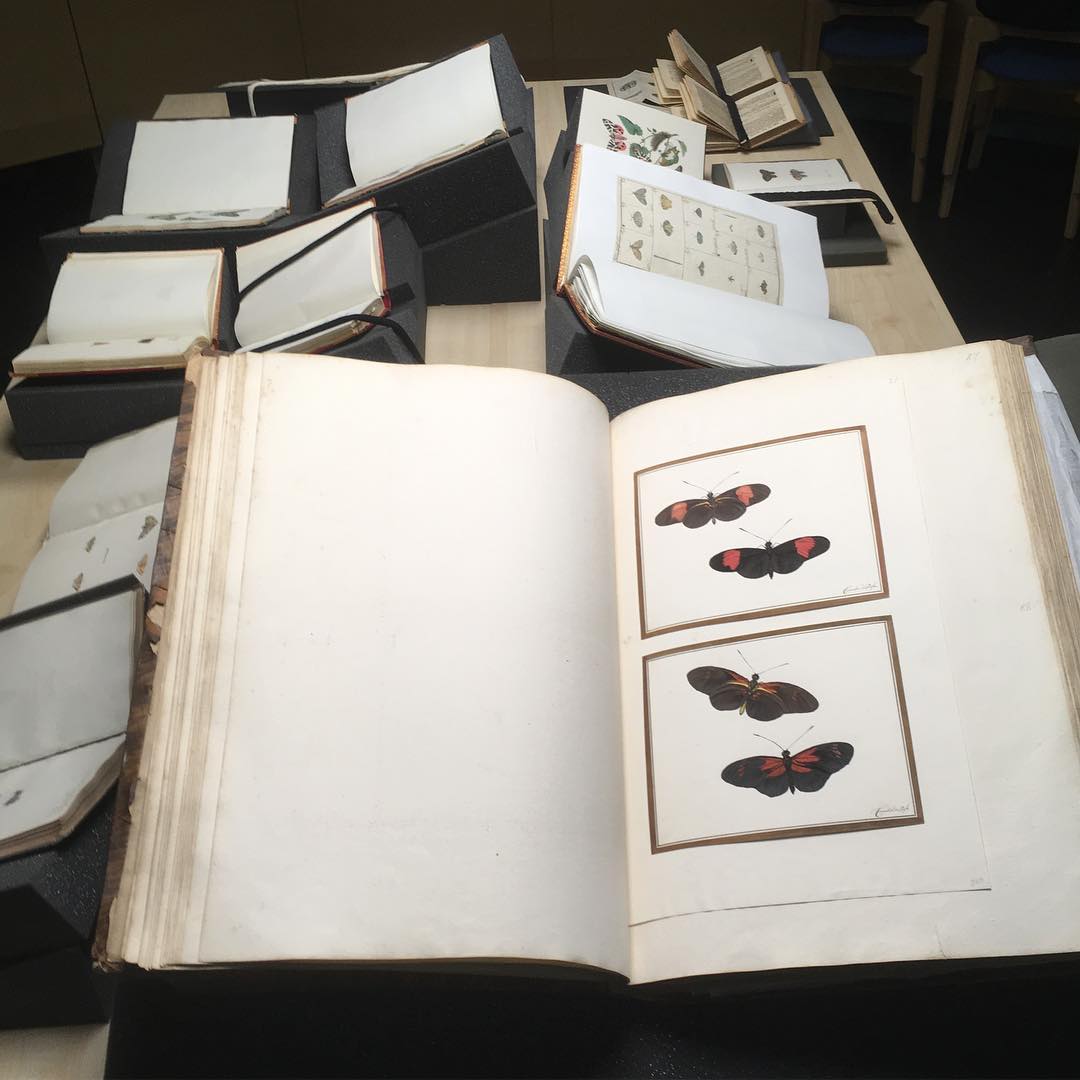
Preparing a presentation of original drawings and paintings of butterflies for elementary school teachers, #butterflies #scientificillysteations #drawings #carlclerck #corneliaderijk #iconesinsectorumrariorum #vetenskapligaillustrationer #planschverk #scientificheritage #historyofscience #centerforhistoryofscience #treasuresofthearchive
2018-09-27
Arrival of the publication “Kunskap i rörelse” (Knowledge in motion). This book project has been a part of the five year long research programme “Science and Modernization in Sweden”. Our Director Professor Karl Grandin proudly unpacks the magnificent volume. The book describes the long history of the Royal Swedish Academy of Sciences and it’s impact on society throughout the centuries. And of course illustrated with a lot of images from our holdings. English version will arrive at the end of the year. #kunskapirörelse #knowledgeinmotion #centerforhistoryofscience #royalswedishacademyofsciences #vetenskapsakademien #historyofscience
2018-09-20
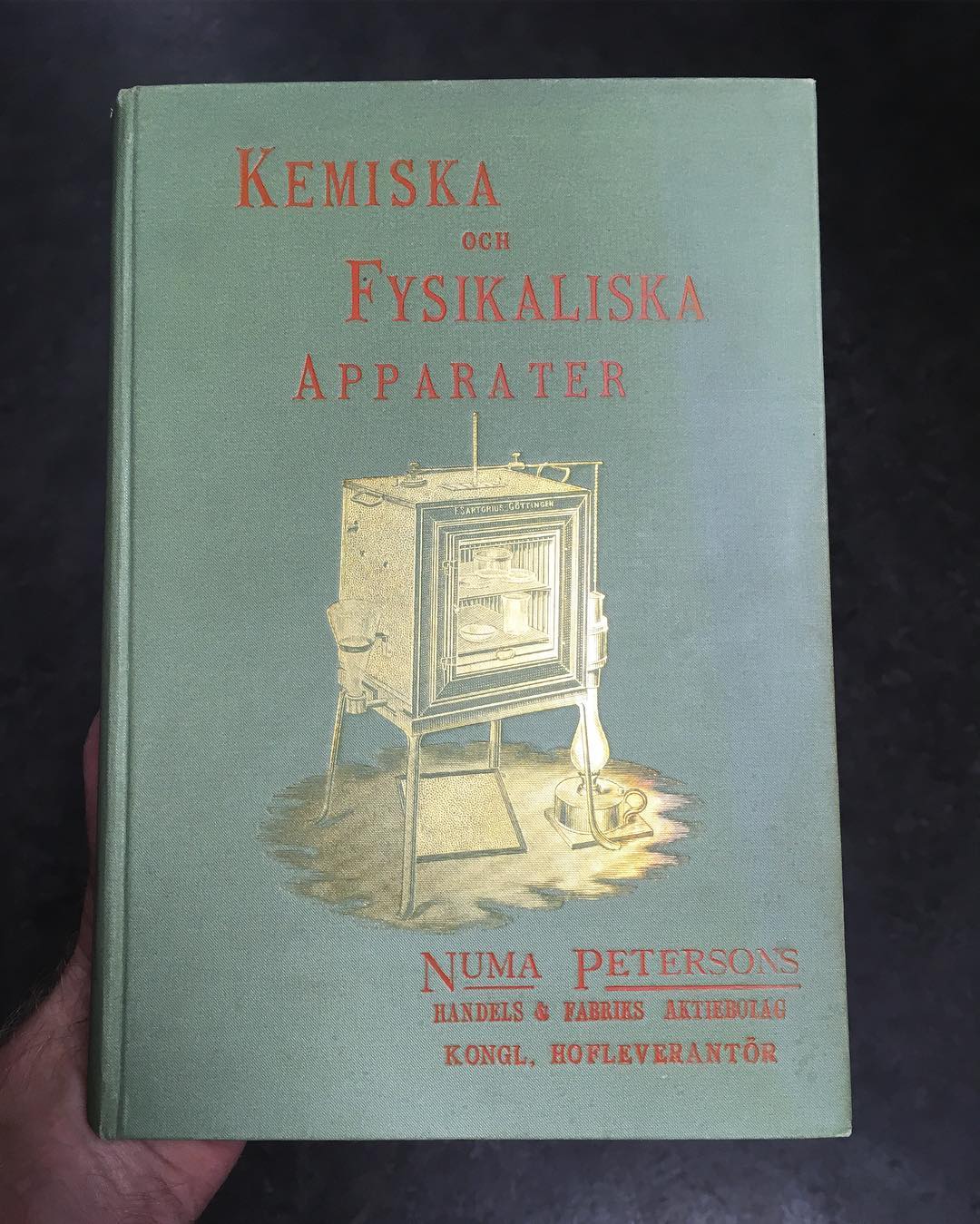
For #greenpublishersbindingthursday we present this late 19th century price catalogue of chemical and physical apparatus and equipment. It originally comes from the library of Bernhard Hasselberg, the Academy?s physicist 1888-1922, and is part of our collection of catalogues and price-lists. #greenpublishersbinding #centerforhistoryofscience #catalogue #scientificinstruments #science #scientificheritage
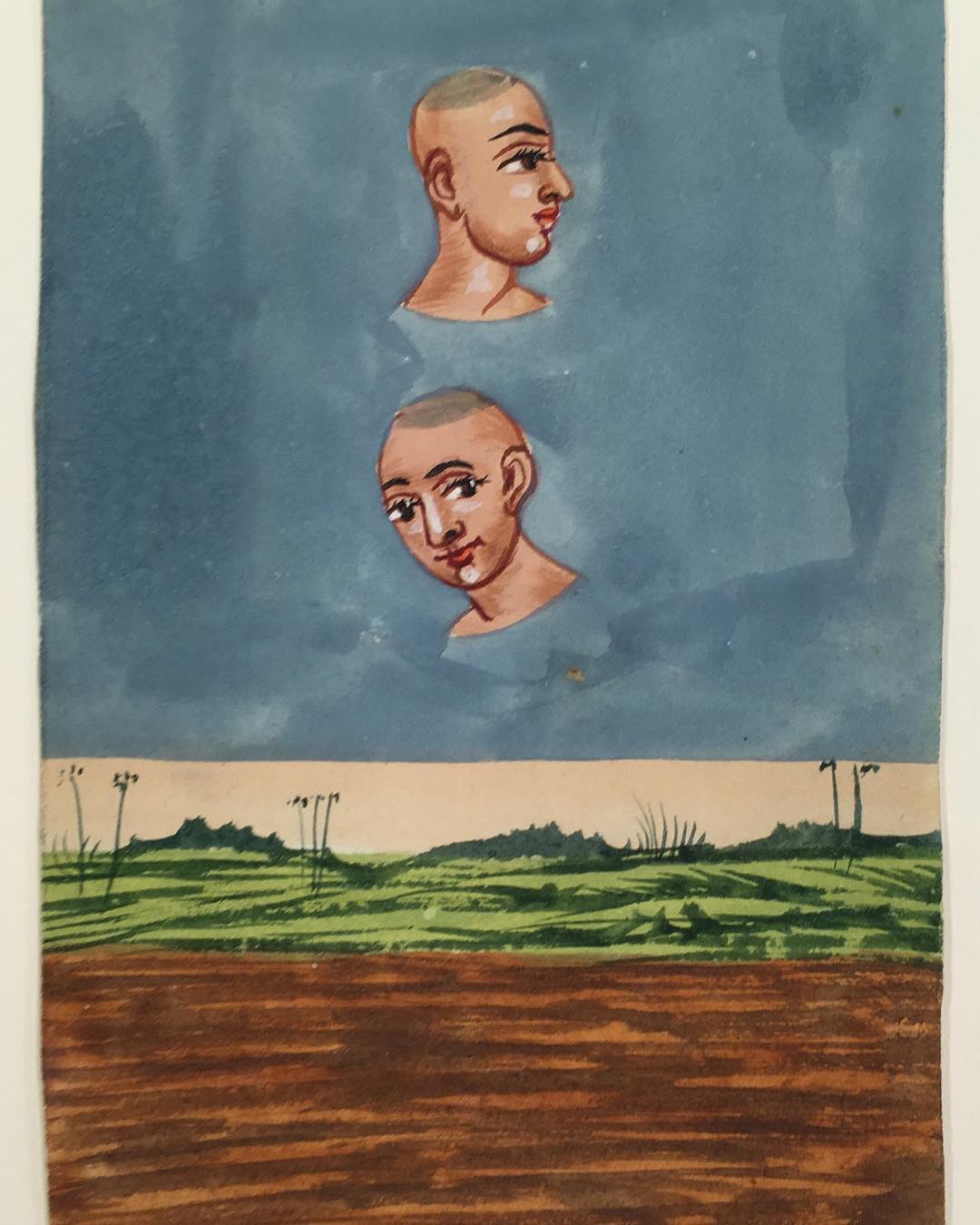
2018-08-29
One of our archivists came across these lovely Indian mica paintings the other day! They are painted with gouache on sheets of mica, which are transparent. Laid over the background painting, they depict people in local costumes. We especially love the spice monger! The paintings were brought to Sweden from India by zoologist C.J. Sundevall in the first half of the 19th century. #mica #glimmer micapainting #india #paintings #transparent #floatingheads #spicemonger #centerforhistoryofscience #treasuresofthearchive
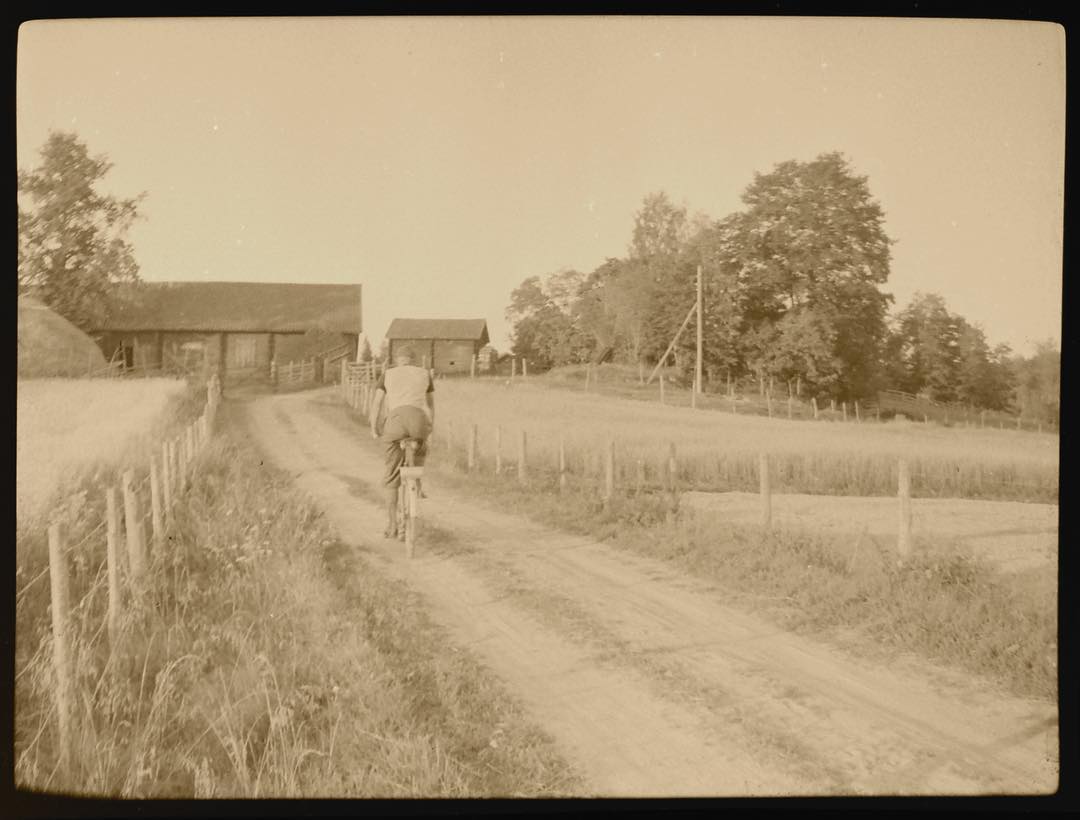
2018-07-13
And we?re off into the summer! ???????. Photo from the 1940?s, unknown photographer. #summer #summertime #vacation #sommar #seeyouinaugust #bicycle #cykel #vintagephotograph #photo #fotografi #treasuresofthearchive #centerforhistoryofscience
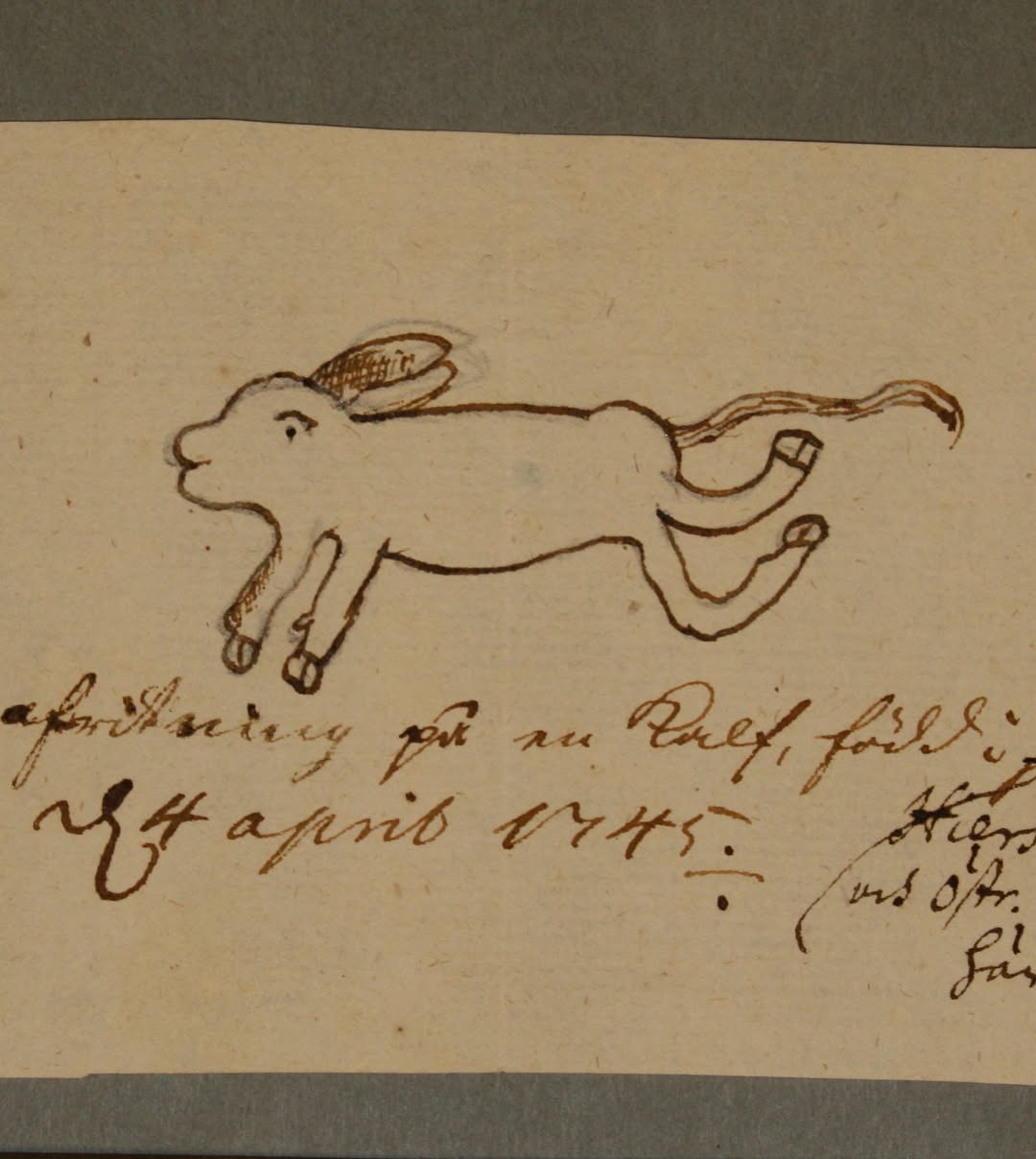
2018-06-13
One of the fundamental aims of the Royal Swedish Academy of Sciences, was to gather knowledge that would contribute to the advancement of the economy as well as Science. One of the ways to achieve this was to encourage the public to send observations and findings to the Academy. Members of the Academy would evaluate these findings, and if approved, they could eventually be printed in the Academy’s quarterly journal. However, not all findings would pass the test... Images show 18th century drawings and descriptions of two calves and an apple, ”the upper part of which is deformed, so that it resembles a human face”. #drawings #1700s #18thcentury #historyofscience #scientificheritage #treasuresofthearchive #findings #observations #rön #anappleaday #ettäppleomdagen #centerforhistoryofscience #royalswedishacademyofsciences
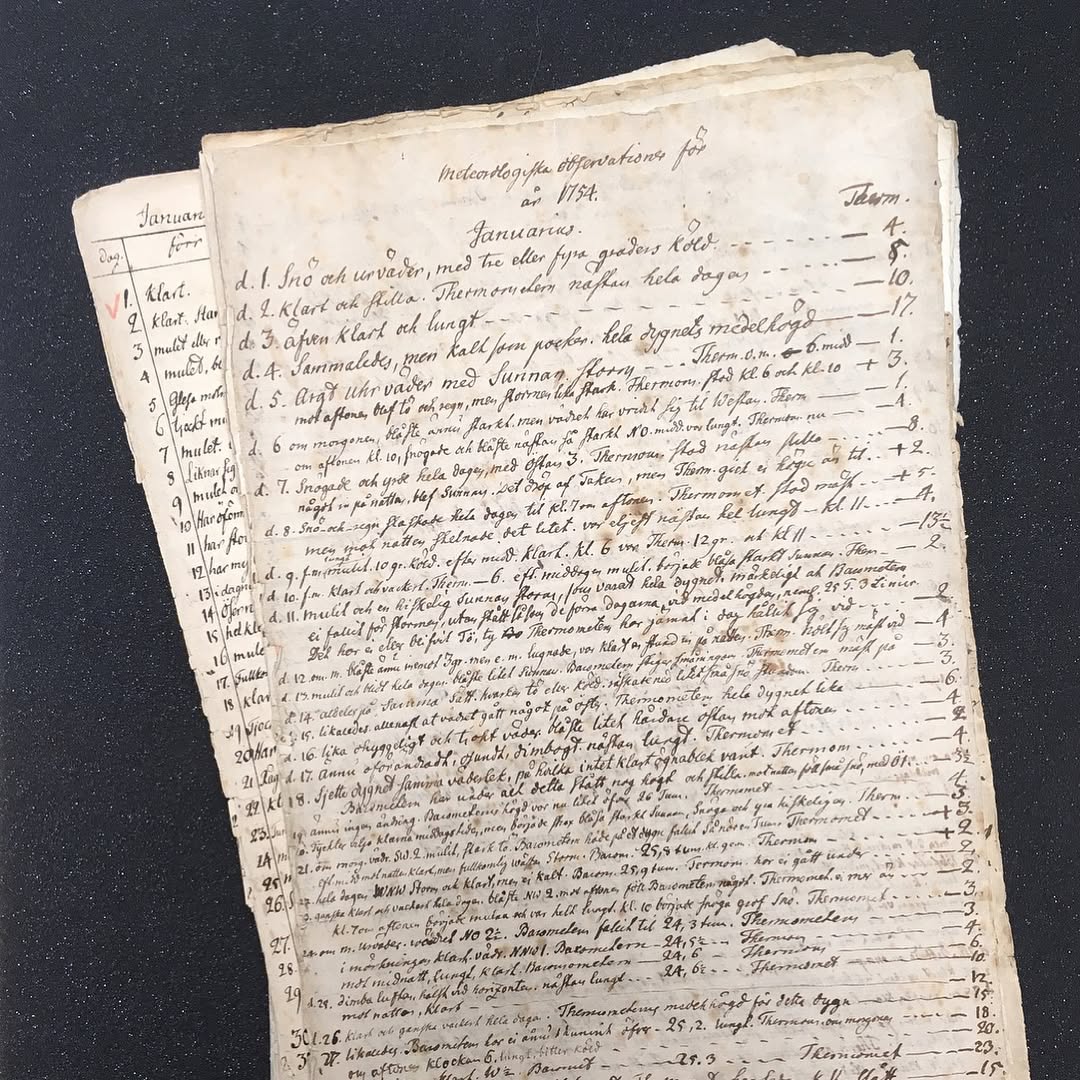
2018-06-05
We have experienced a very hot and sunny weather the last month here in Stockholm, actually the highest monthly mean temperature in more than 250 years. How do we know that? In January 1754, Swedish astronomer Pehr Wargentin began his weather observations in the newly finished Stockholm Observatory. Since 1756, an uninterupted series of daily weather observations have been made at the Observatory. The notes from June 5th, 1754 reads: ?Totally cloudy, a few drops of rain, slight wind from the east, sultry. A lovely rain last night, although not as much as was needed, +16?. #weather #observations #observatory #stockholmobservatory #historyofscience #scientificheritage #meteorology #historyofmeteorology #treasuresofthearchive #centerforhistoryofscience #wargentin #rsas #kva
2018-03-15
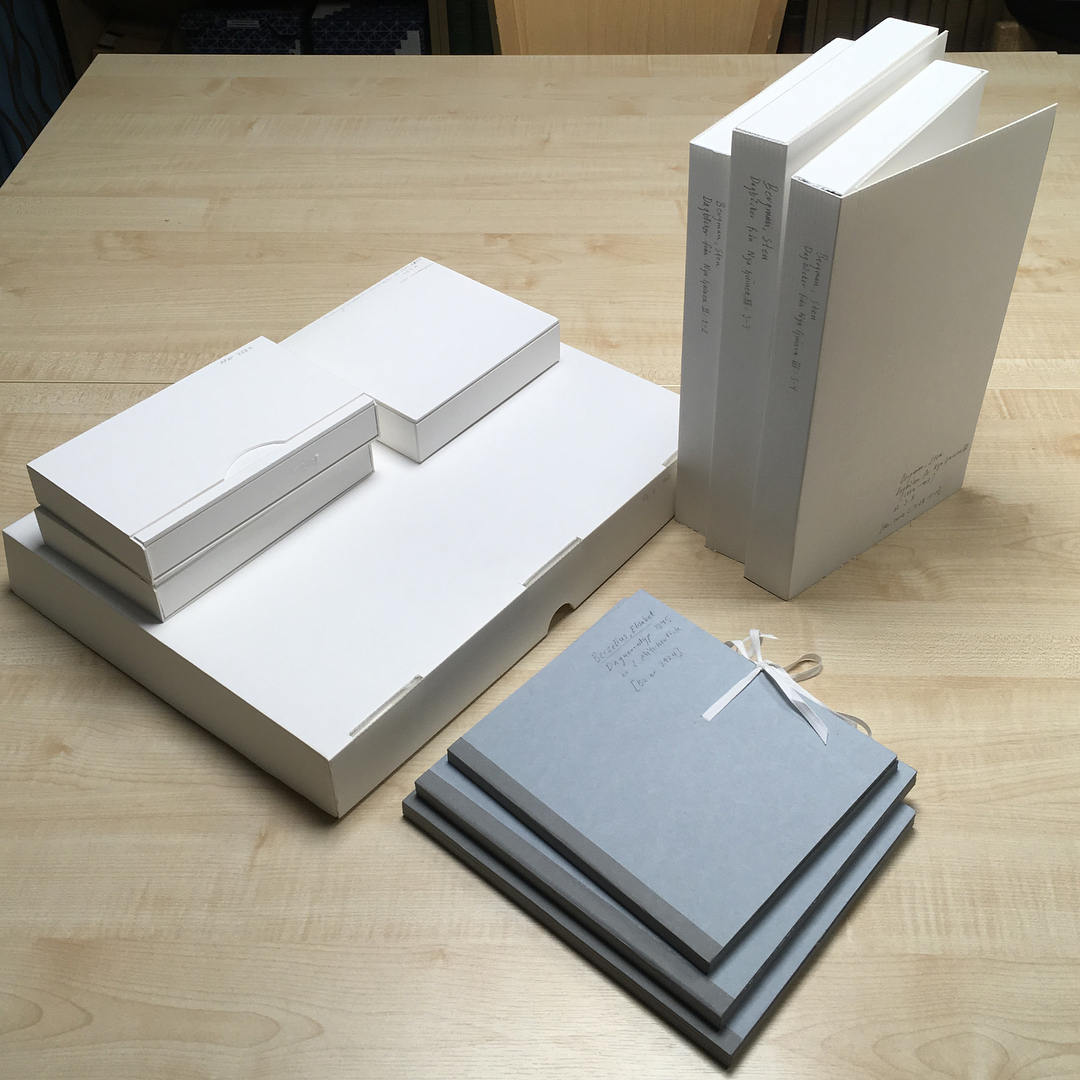
To preserve archival material, proper storage and safe handling is important. This can be achieved with custom made boxes and covers. Images show a few examples made by our conservator. #konserveringensdag #dayofconservation #askaconservator #europeforculture #preventiveconservation #preventivkonservering #collectionscare #centerforhistoryofscience
2018-02-12
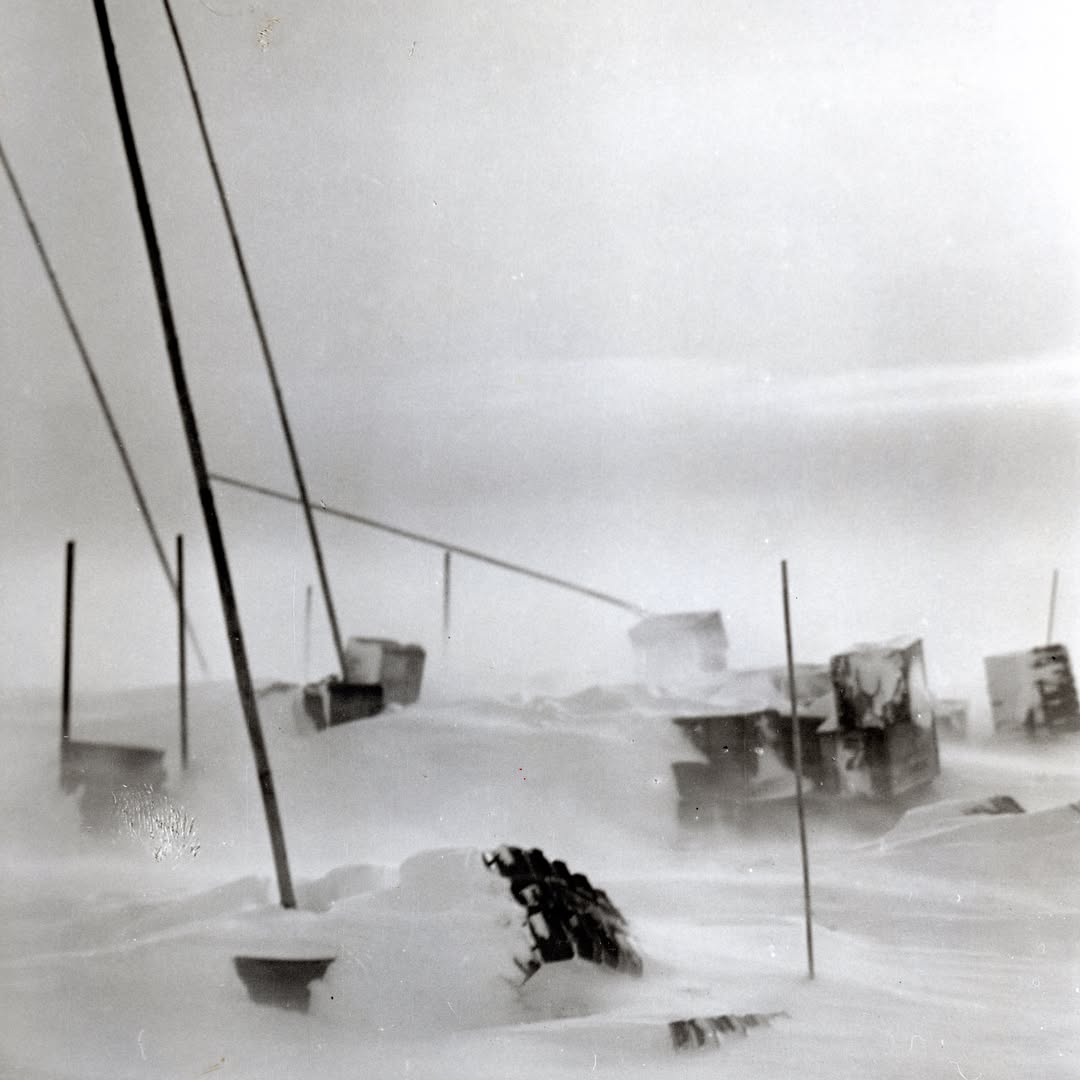
Todays Olympic giant slalom competition was postponed due to strong winds. The images show a blizzard in March 1950, during the Norwegian-British-Swedish Antarctic expedition (photographs in the archive of Walter Schytt at the Center for History of Science). #polarhistory #antarctica #polarexpedition #polarexploration #exploration #polarresearch #historyofscience #centerforhistoryofscience #treasuresofthearchives #blizzard #snow #winterolympics
2018-02-09
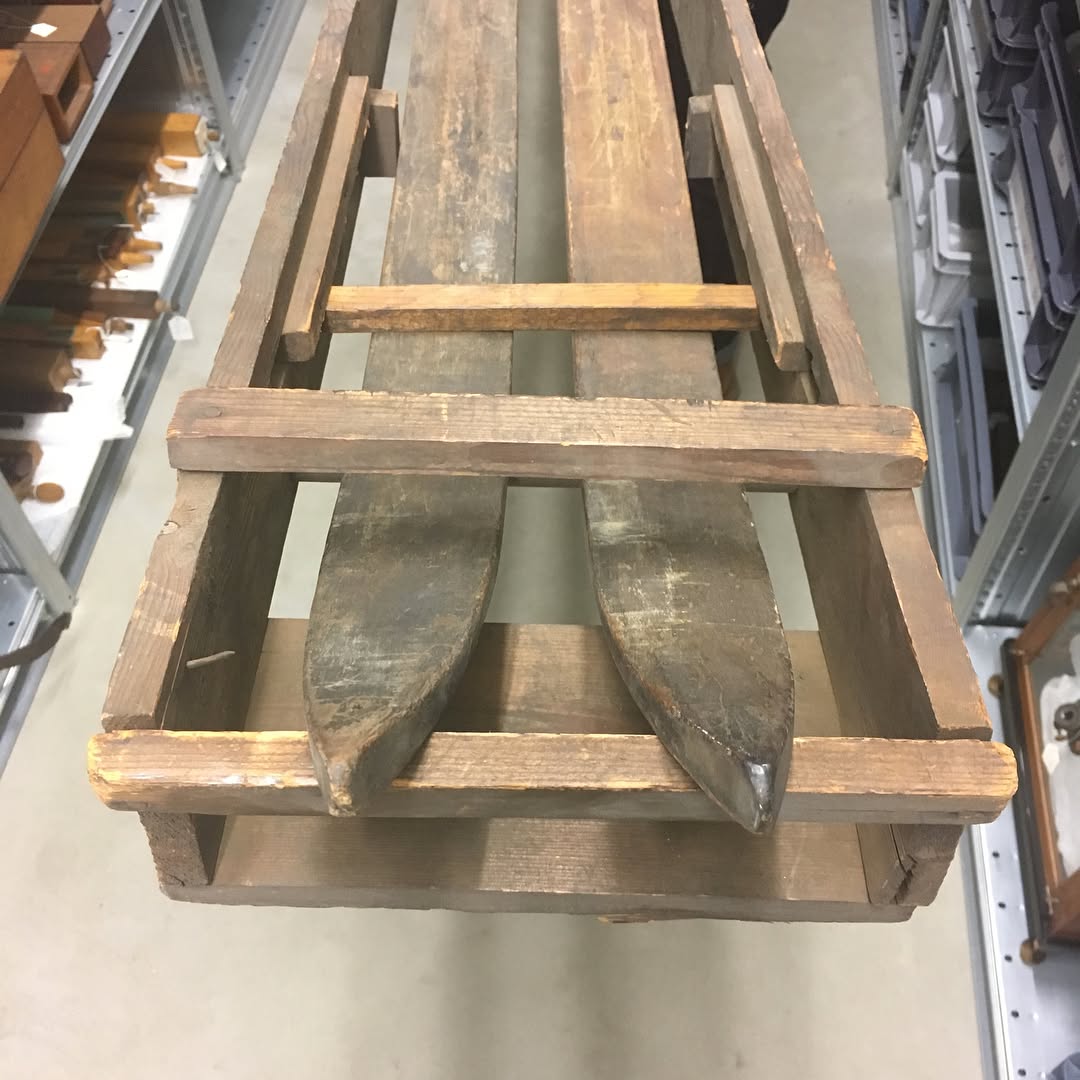
Winter Olympics is starting in less than two hours! We’re cheering for our athletes with some high tech skiing gear from The Antarctic expedition of 1901-1903 led by Otto Nordenskjöld. Note the birch bark on the second image. Go Sweden! 🇸🇪#centerforhistoryofscience #historyofscience #polarhistory #antarctic #winterolympics2018 #treasuresofthearchives #hejasverige
2018-02-01
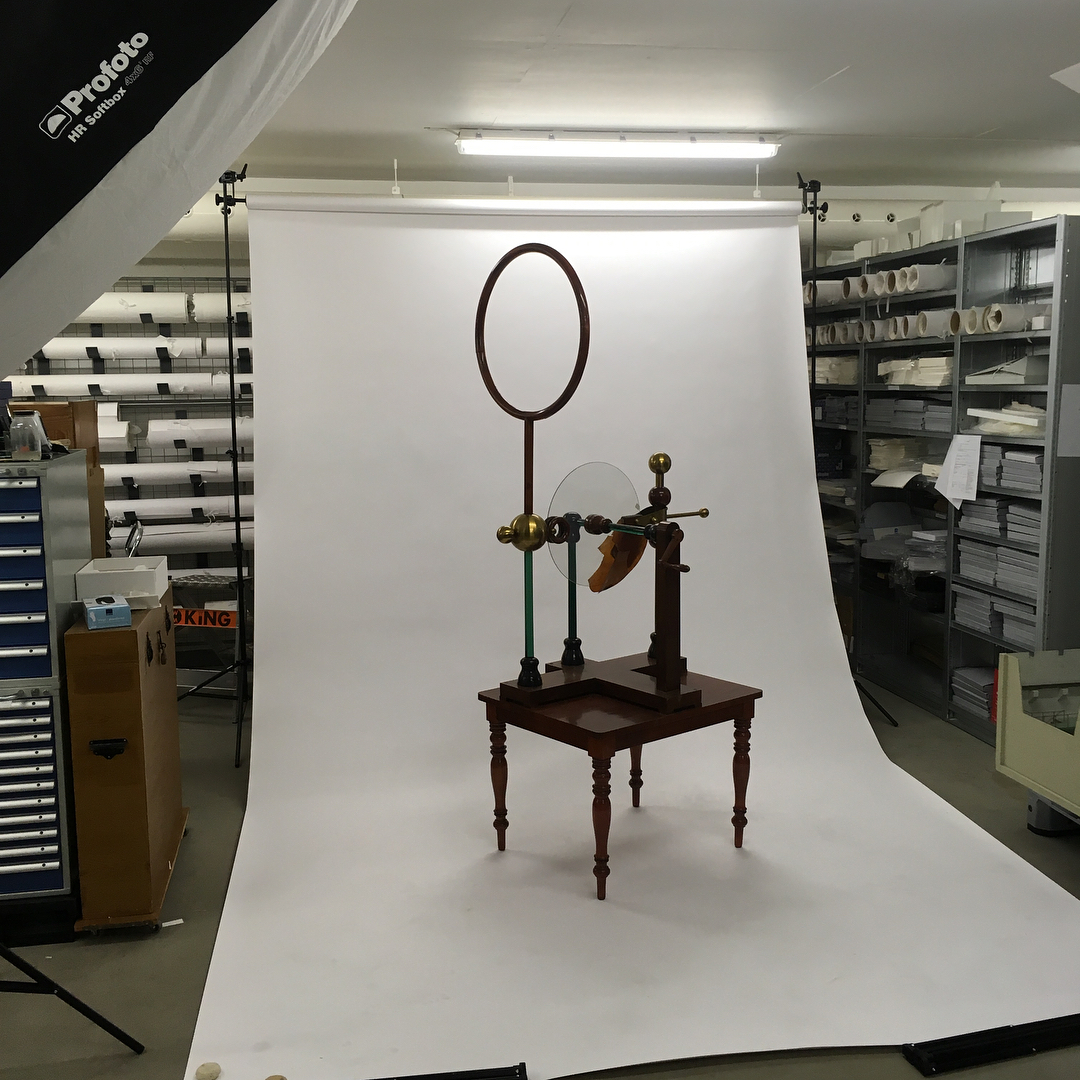
Lately we have been taking photographs for an upcoming book on the history of the Royal Swedish Academy of Sciences, together with photographer @myrehed #centerforhistoryofscience #royalswedishacademyofsciences #rsas #kva #historyofsciences #scientificheritage #scientificinstruments #medals #deathmask
2017-11-21
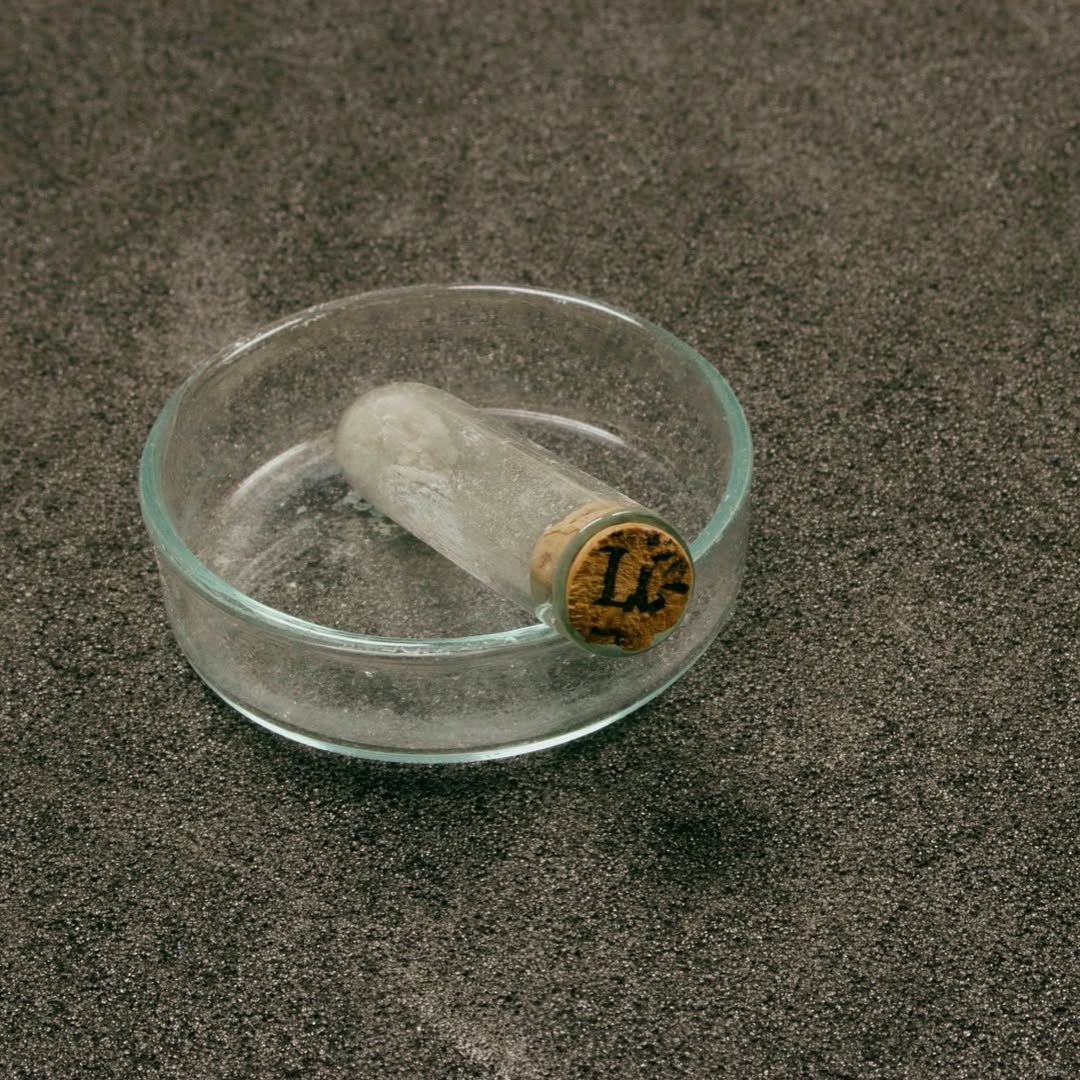
In the early winter of 1817, Johan August Arfwedson (1792-1841), started the analysis of the mineral petalite, that would eventually lead to the discovery of a new element, lithium (named after the greek word for stone). At the time Arfwedson was working in the laboratory of Berzelius. In a letter to a friend in January 1818, Berzelius writes that Arfwedson “have had the luck to, in his second mineral analysis, make one of the most remarkable discoveries, that can be done”. The results were published in January 1818. Images 1-2 shows a sample of lithium carbonate from the Berzelius collection, image 3 a page of the 3rd volume of Berzelius’ textbook in chemistry from 1818 with an account of the discovery, and image 4 a manuscript with Arfwedsons continued analysis of lithium compounds from 1821. #lithium #litium #arfwedson #berzelius #historyofscience #historyofchemistry #scientificheritage #chemicalsample #mineralogy #element #discoveries #grundämne #vetenskapshistoria #kemi #centerforhistoryofscience #treasuresofthearchives
2017-10-04
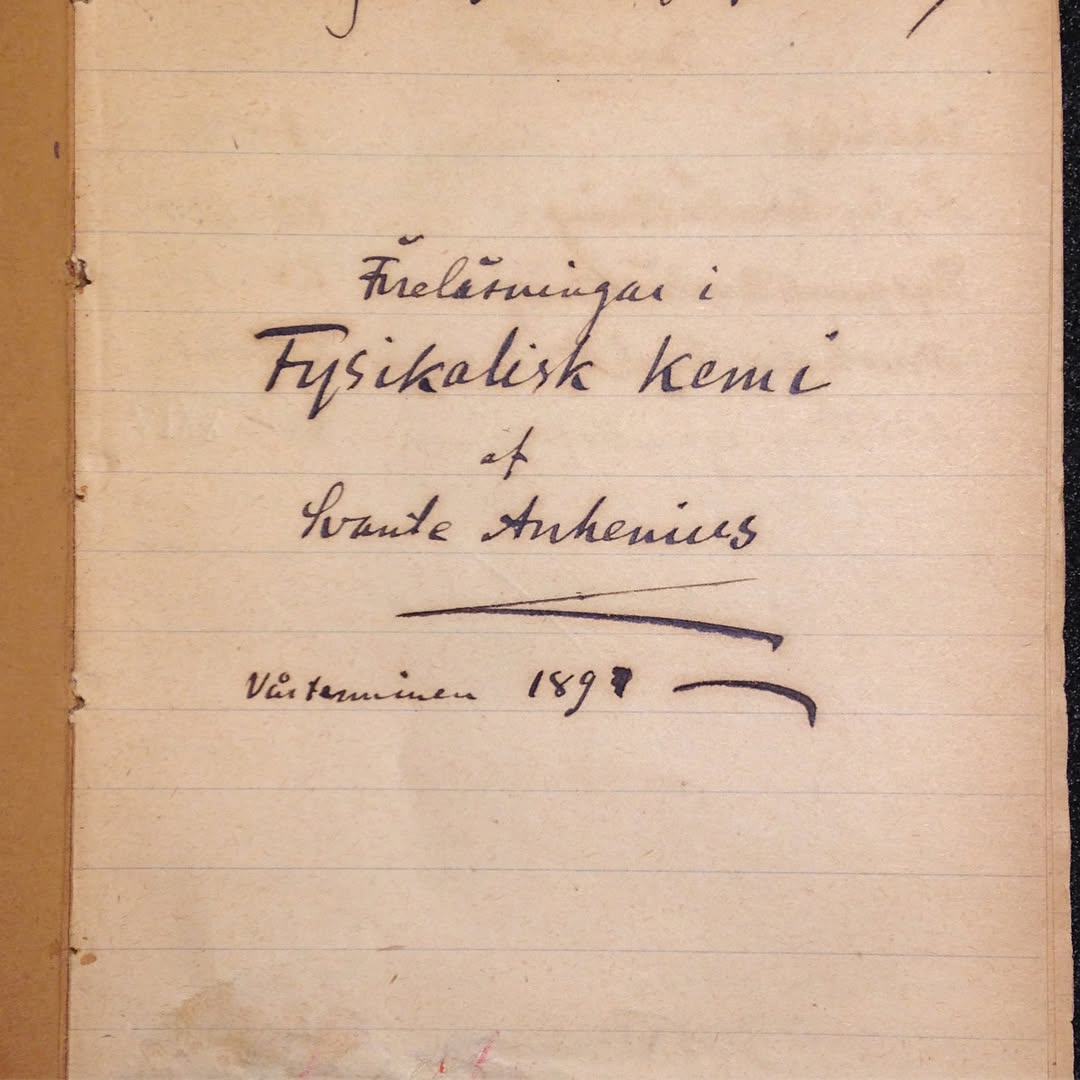
Today while we are waiting for the announcement of the Nobel Prize in chemistry, we present some manuscripts from the archive of Svante Arrhenius (1859-1927), Swedish scientist considered to be one of the founders of physical chemistry. He received the Nobel Prize in chemistry in 1903 for his electrolytic theory of dissociation. The images show notes in preparation of lectures in physical chemistry for the spring term in 1891, and a manuscript for a paper entitled ?Theories regarding the electrolytic dissociation?, presented to the Swedish Physical Society in 1921. #arrhenius #nobelprize #chemistry #physics #physicalchemistry #nobellaureate #treasuresofthearchives #treasuresfromthearchives #historyofscience #scientificheritage #historyofchemistry #vetenskapshistoria #kulturarv #arkiv
2017-10-03
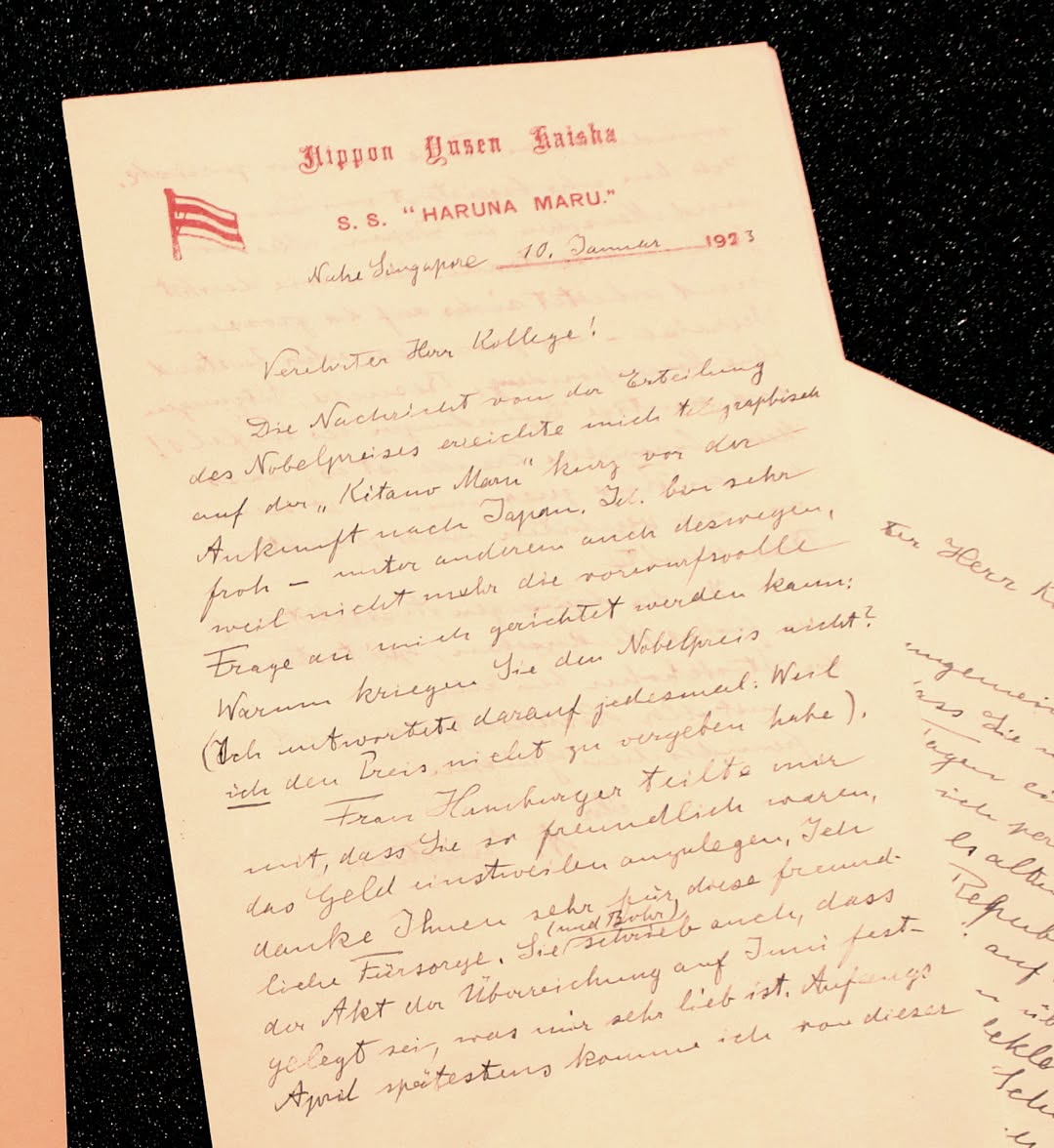
For all of those eagerly awaiting the announcement of this years Nobel Prize in physics, we present this letter from Albert Einstein to Svante Arrhenius, dated January 10, 1923, in which Einstein thanks for being awarded the Nobel Prize in physics. He is very happy, he says, "not least because I will no longer be asked the taunting question of why I don't receive the Nobel Prize (to which I always reply: because it is not mine to give away)". #nobelprize #einstein #physics #historyofscience #scientificheritage #centerforhistoryofscience #treasuresfromthearchives #archive #nobelpriset #humble #ormaybenot #vetenskapshistoria #kulturarv #arkiv #howcoolisthat
2017-09-22
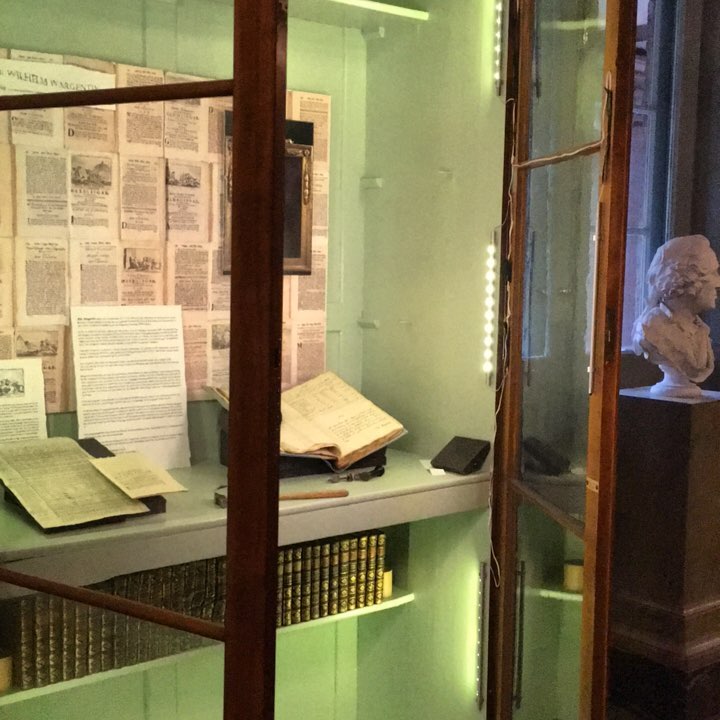
New exhibition coming up on the Academy landing. #treasuresofthearchives #pehrwagentin300years #centerforhistoryofscience #historyofastronomy #academyhistory
2017-09-05
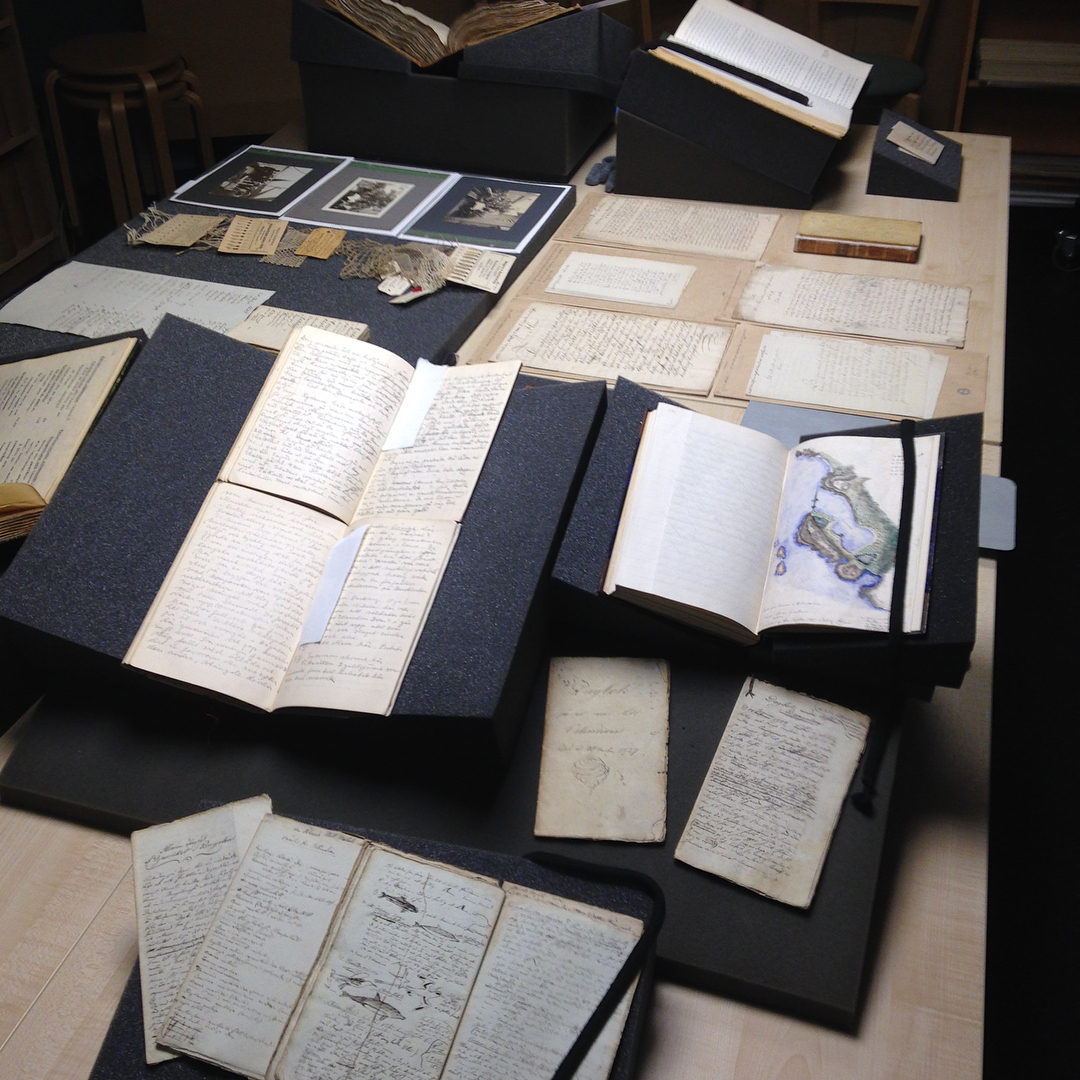
Preparing the annual presentation of our collections for students from the University of Stockholm. #centerforhistoryofscience #treasuresfromthearchives #treasuresofthearchives #historyofscience #scientificheritage #archive #manuscripts #gamlagrejer #fastnyaföriår
2017-07-18
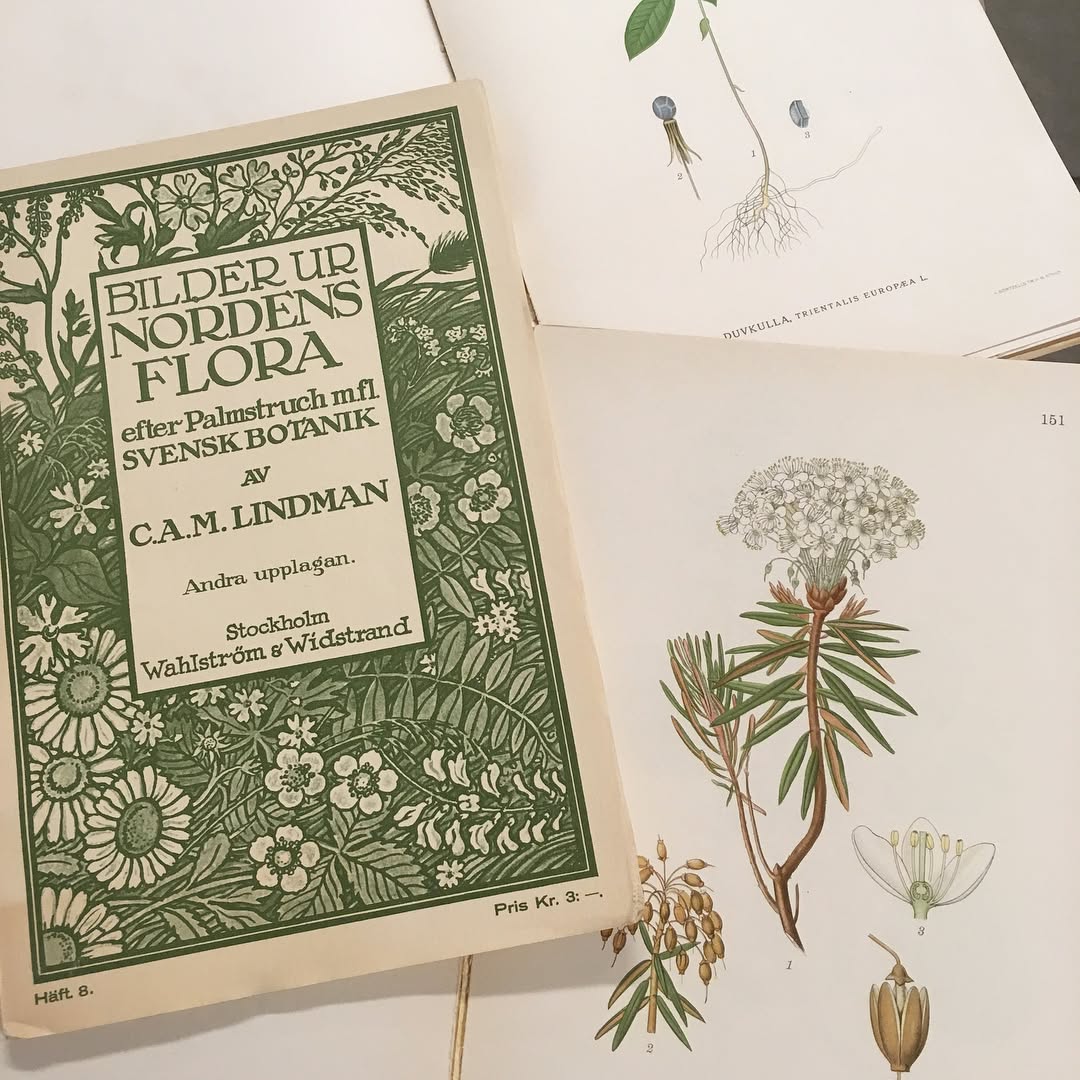
Since it's beginning in 1739 the Academy has kept an impressive stock of its own publications. Today many of the copies are sought after rarities. #centerforhistoryofscience #historyofscience #historyofprinting #historyofpublishing #rarebooks #deepcellar #treasuresofthepast #scientificheritage #stillforsale
2017-06-27
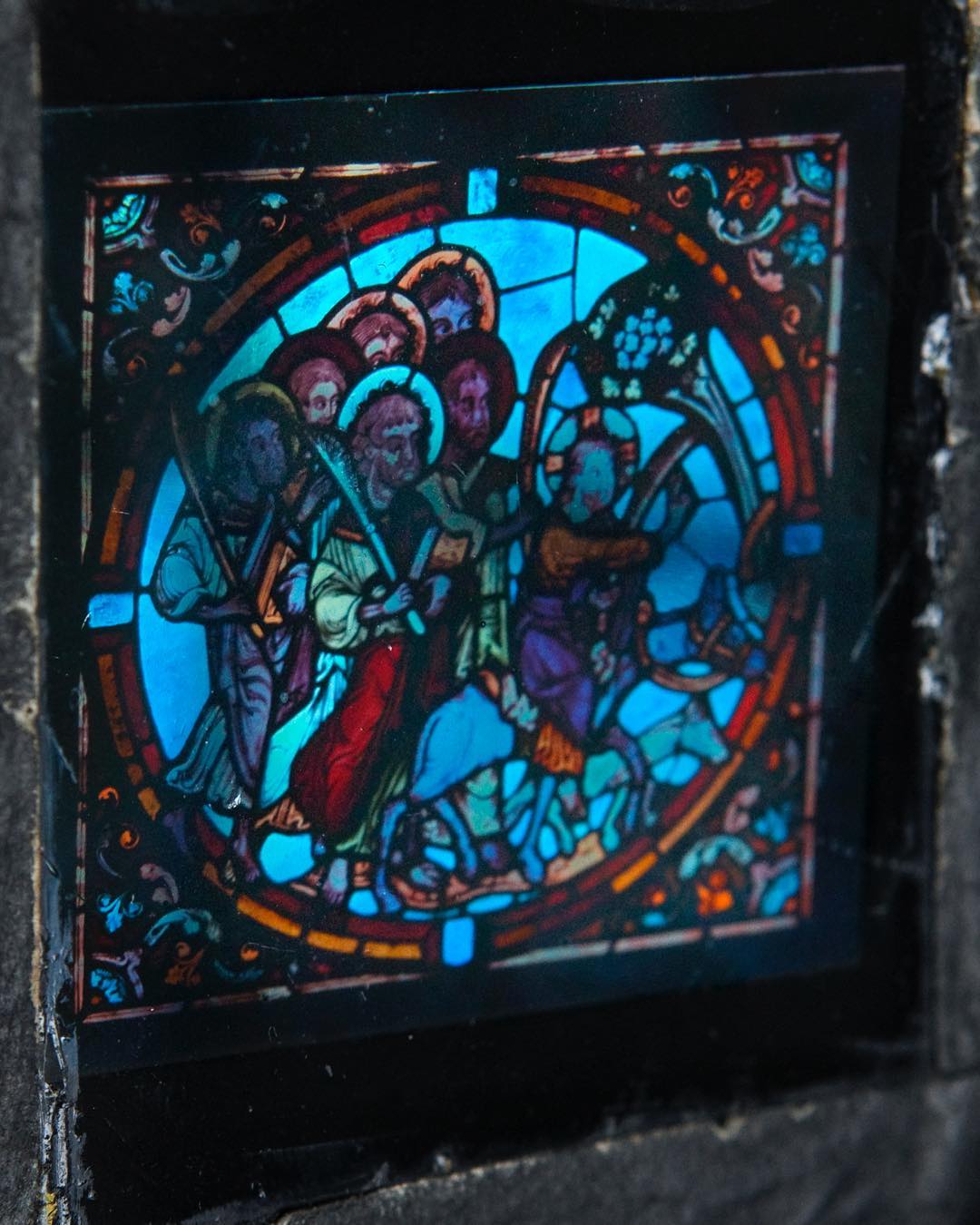
A colour photograph from the 1890:s, using the technique invented by Gabriel Lippmann (1845-1921), for which he was awarded the Nobel Prize in physics in 1908. The technique was first described in 1891, and makes use of the interference phenomenon (the interaction between light waves). Early contributors to the development were, among others, the Lumiere brothers. The method could produce very beatiful images, but was very difficult and impractical. It was never widely used, and was succeeded in 1907 by the autochrome process. However, the Lippman photography remains to this day the only known direct process of true colour photography. (photo: A. Kronborg) #lippmannphotography #lippmann #nobelprize #nobellaureate #physics #historyofphotography #treasuresfromthearchives #treasuresofthearchives #centerforhistoryofscience #scientificheritage #lumiere
2017-05-22
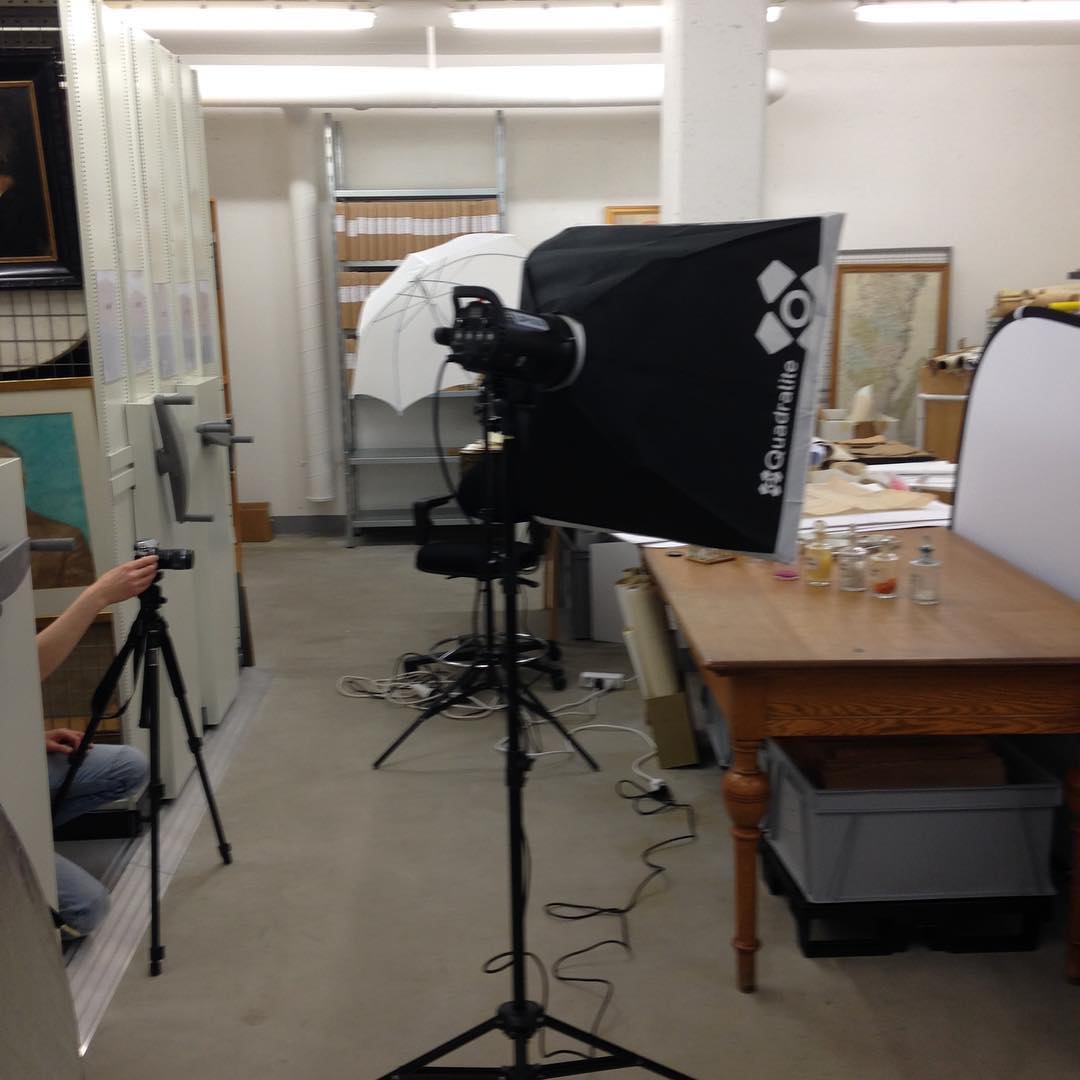
Today we are working with a photographer from the Swedish school project Science and Technology for all, taking photographs for new learning material in chemistry. Berzelius again! #nta #naturvetenskapochteknikföralla #scienceandtechnologyforall #science #school #learning #chemistry #treasuresofthearchives #centerforhistoryofscience #historyofscience #blurryimage
2017-05-03
Preparing a loan to an exhibition of these exquisite paintings of mollusca, etc., made by artists Ferdinand and Wilhelm von Wright on the Swedish west coast in the late 1830:s. They were masters in depicting all kinds of animals in detail, and particularly in capturing texture. #vonwrightbrothers #brödernavonwright #paintings #drawings #handpainted #centerforhistoryofscience #scientificheritage #zoology #zoologi #marinbiologi #marinelife #artandscience #treasuresofthesea #treasuresofthearchives #mollusca
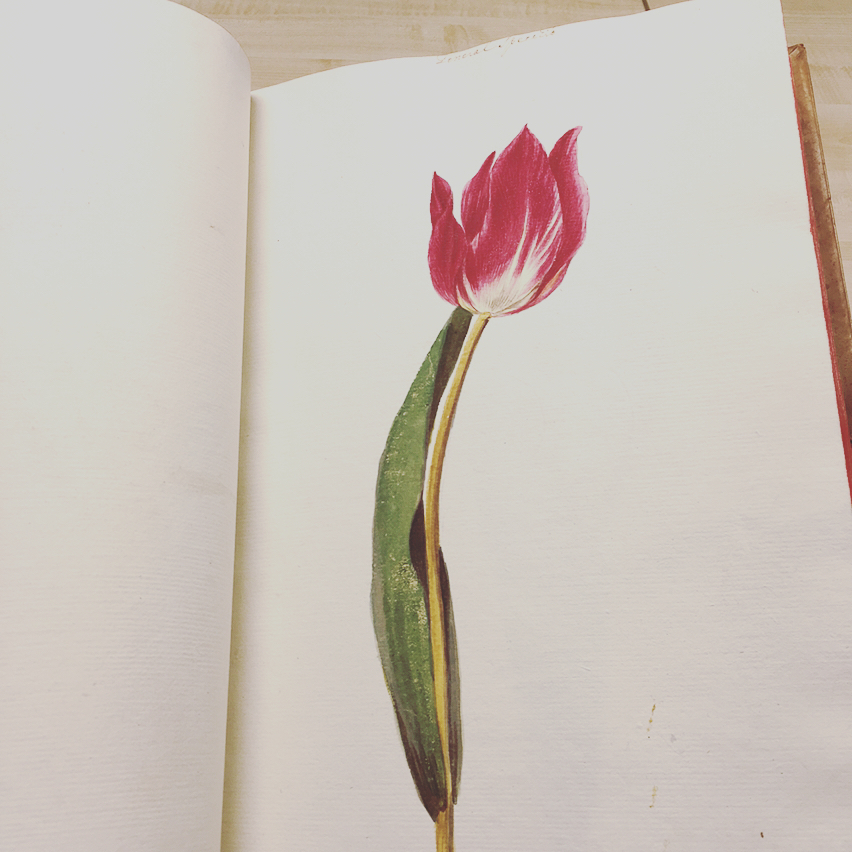
2017-04-28
Dutch commercial catalog of plants from the 18th century. #historyofscience #treasuresofthearchives #flowerpower #centerforhistoryofscience #historyoftrade #botanical #tulips #daffodils #watercolor #handpainted #handcolored #dutch #medenenkeltulipan
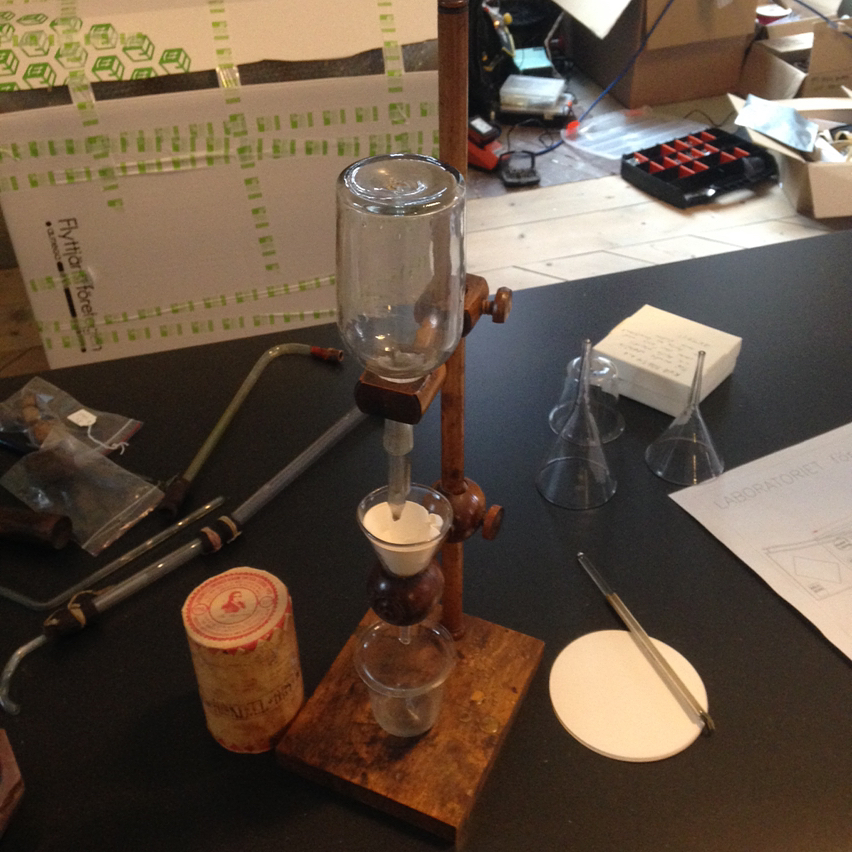
2017-04-12
Today our conservator is in Uppsala, mounting objects from the Berzelius collection in the new exhibition at Museum Gustavianum, "Aspiring to Perfection" (Drömmen om det exakta), opening next week. #museumgustavianum #centerforhistoryofscience #berzelius #berzeliuscollection #laboratory #laboratoryequipment #historyofscience #scientificheritage #historyofchemistry #chemicalheritage #19thcentury #history #oldiesbutgoldies
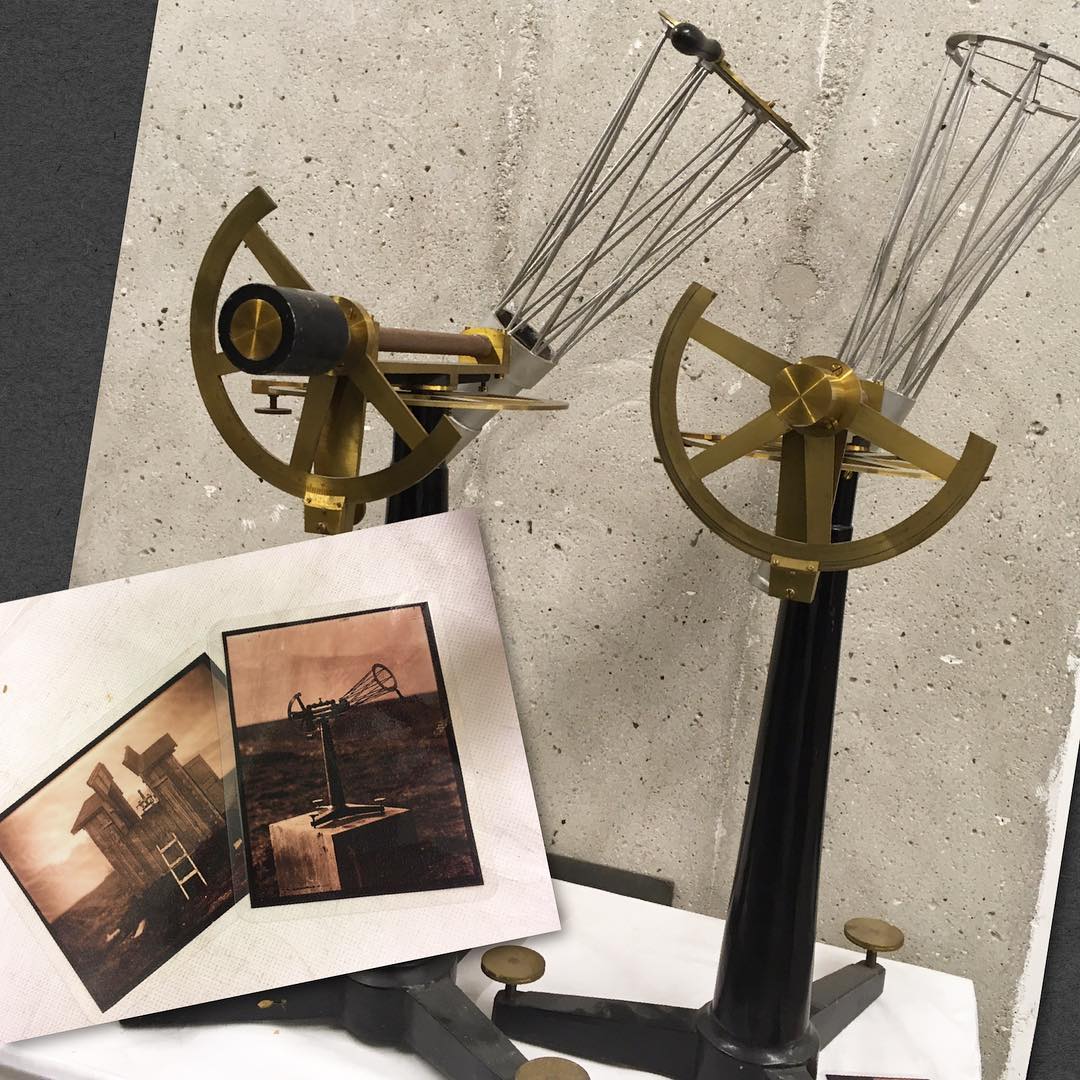
2017-03-24
Theodolites used for measurements of aurora and cloud heights during the first polar year 1882-1883 at Kapp Thordsen. Photos from the archive of Vilhelm Carlheim-Gyllenskiöld shows the theodolites in action. #centerforhistoryofscience #historyofscience #polarhistory #historyofphotography #historyofpolarexpeditions #polaryear
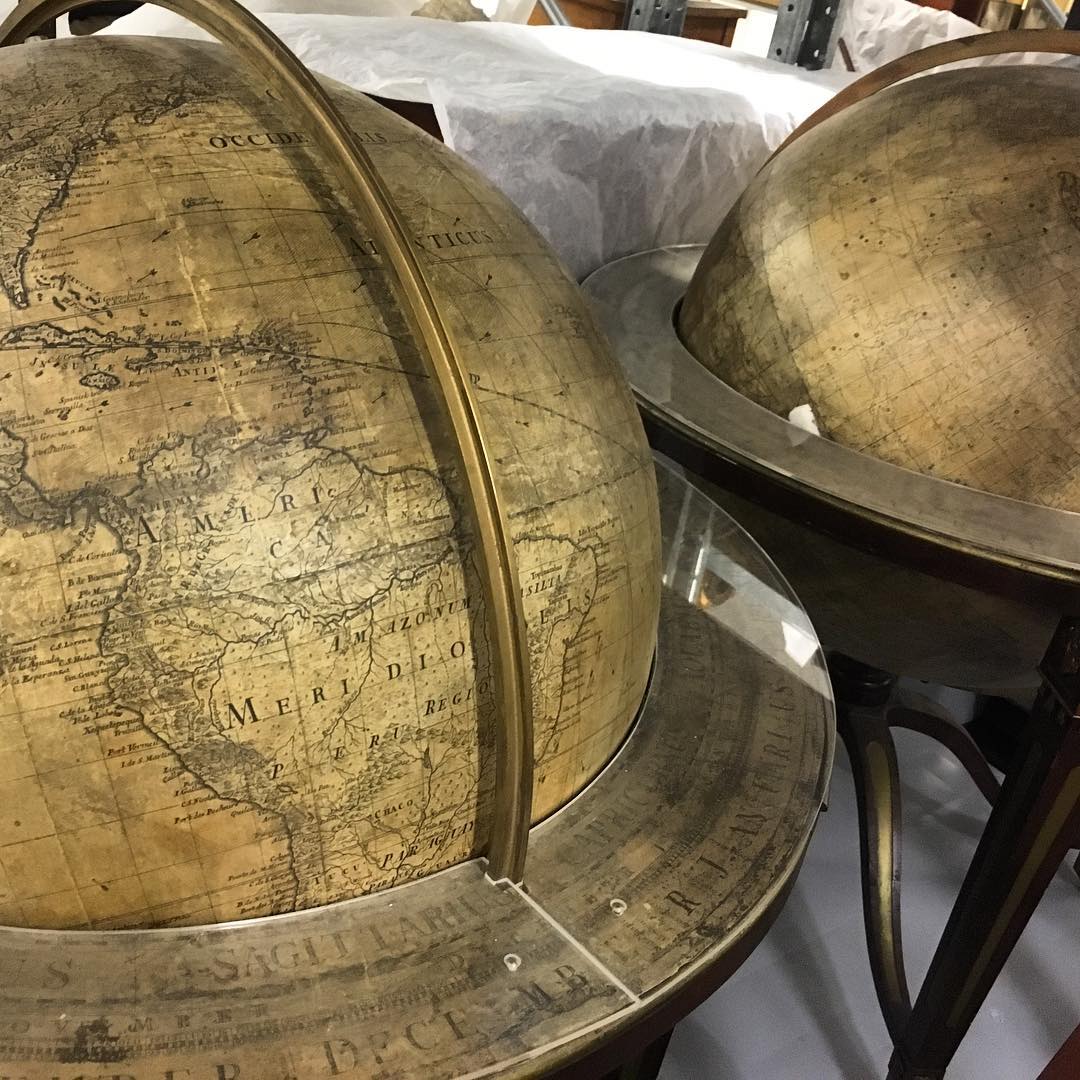
2017-03-20
The whole wide world in our holdings. Globes attributed to Anders Åkerman (1721-1778). Åkerman was the first to make a globe in Sweden, which was displayed at the Academy in February 1759. The Academy was delighted and praised it to be "as neat, beautiful and accurate as ever the English ones". The Academy helped to finance the Åkerman workshop and promoted his globes in foreign academies. In 1766 the workshop was destroyed in the great fire of Uppsala. In spite of generous help from the Academy, Åkerman never fully recovered and when he died in 1778 the estate was deeply in debt. The workshop was then moved to Stockholm under the auspices of the Academy with its engraver Fredrik Akrell as new manager. #centerforhistoryofscience #treasuresofthearchives #andersåkerman #historyofglobes #globes #historyofscience #historyofgeography #allaroundtheglobe #historyofmaps #jordenrunt
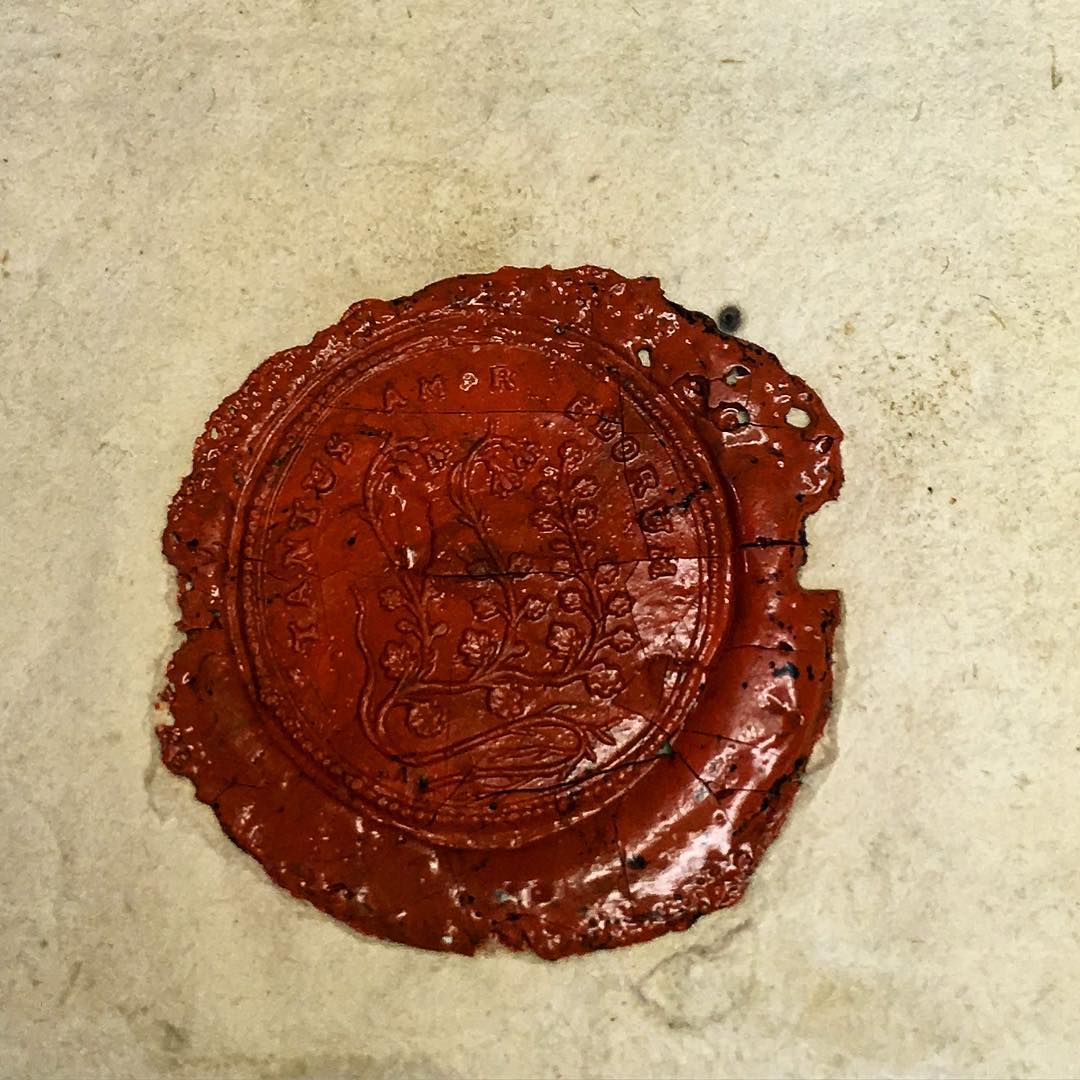
2017-03-09
Carl Linnaeus, one of the founders of this Academy, had several seals. This is the one most used between 1745-1756, showing his favourite flower the Linnaea Borealis, named after himself. Over the plant reads in Latin "tantus amor florum" (great is the love of flowers). Although the main part of Linnaeus collections were sold to England after his death, a large part of the letters Linnaeus sent to the Academy's secretaries are still in our archive. Most of Linnaeus correspondence have been digitised and are available online: linnaeus.c18.net #centerforhistoryofscience #historyofbotany #historyofscience #linnaeus #carlvonlinne #foundingfather #flowerpower #seal #treasuresofthearchives #vetenskapsakademien
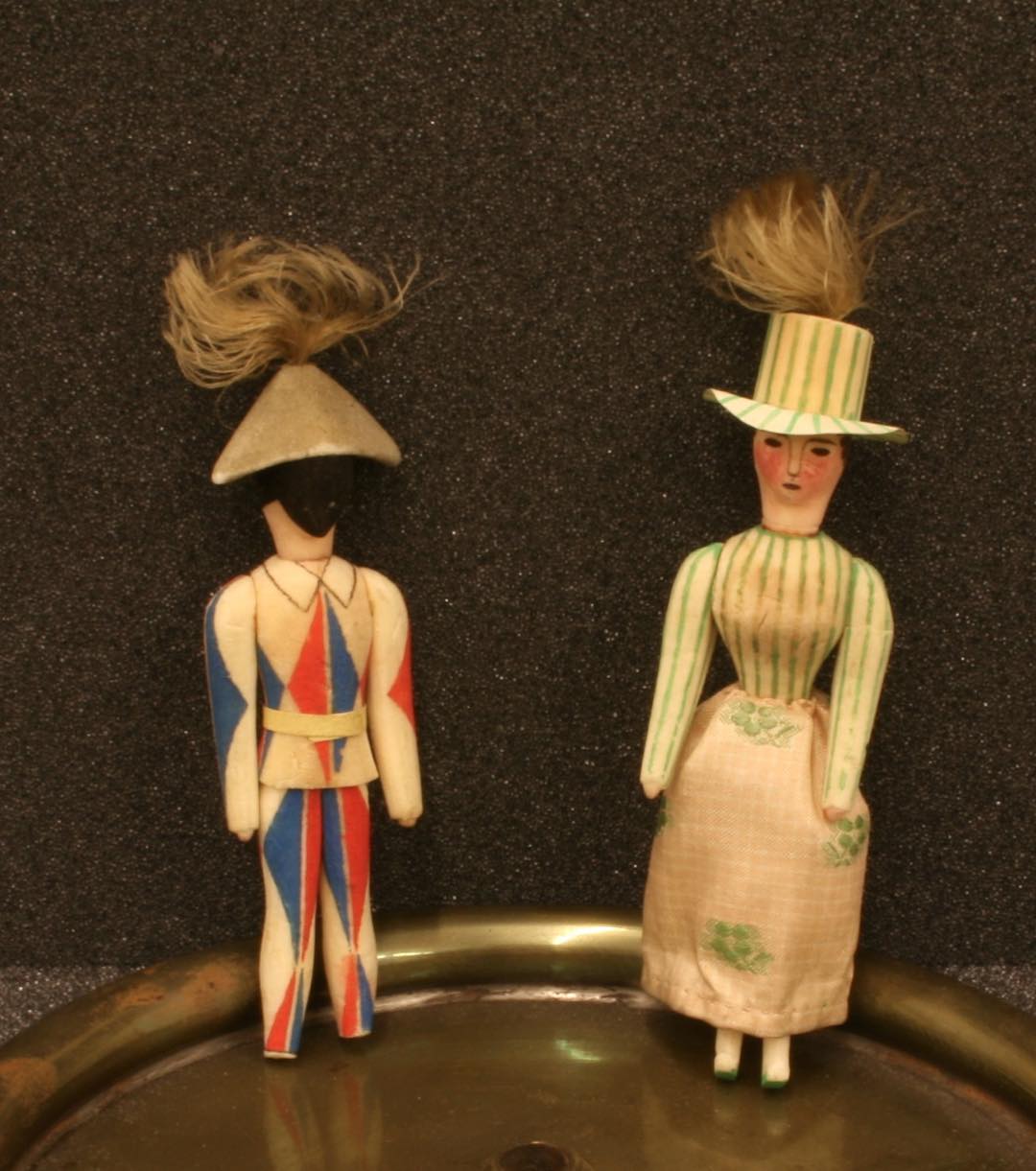
2017-03-07
A pair of nicely painted and dressed up "dancing dolls" of elder marrow, for demonstrations of static electricity, early 19th century. Measures ca 80 mm in height, so they might almost fit #tinytuesday! #dancingpuppets #centerforhistoryofscience #treasuresofthearchives #scientificheritage #electricity #historyofelectricity #historyofscience #staticelectricity
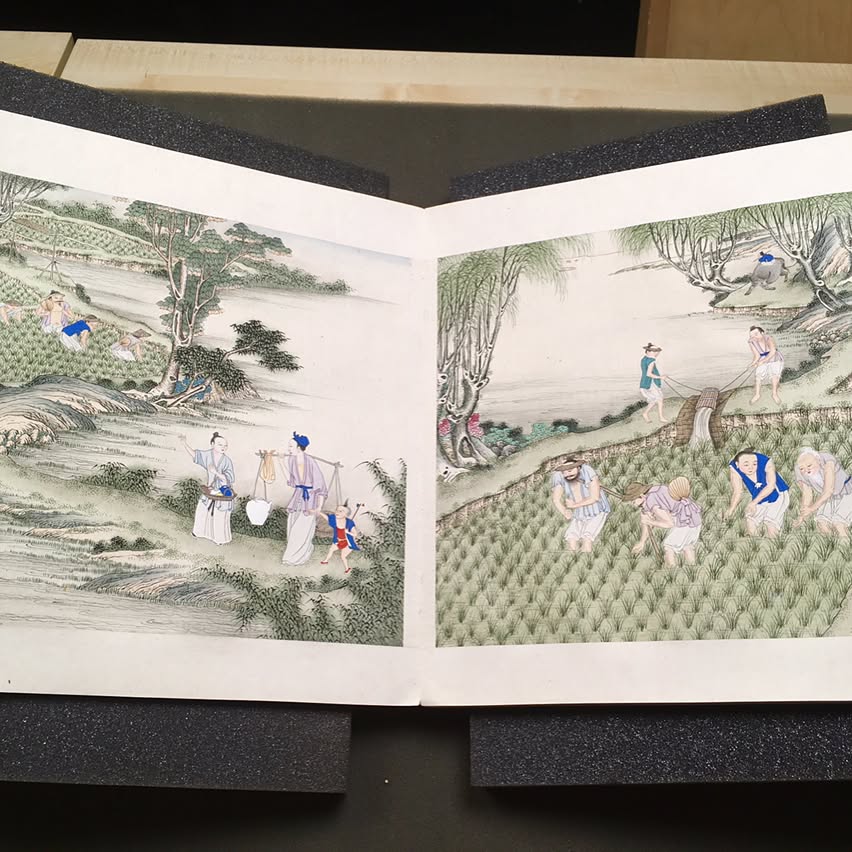
2017-03-03
In 1739 the super cargo at the Swedish East Indian company Hans Teurleon donated two beautiful Chinese books. One showed how to grow and process tea and the other the different steps of sericulture. Carl Linnaeus promised him membership on condition that he gave the most desired volumes to the Academy. Teurloen handed over the books in person and was elected member the same day. The beautiful books are still in the holding of the Academy. #centerforhistoryofscience #treasuresofthearchives #china #historyoftrade #anicecupoftea #eastindiacompany #mutualfavors #fridayfika
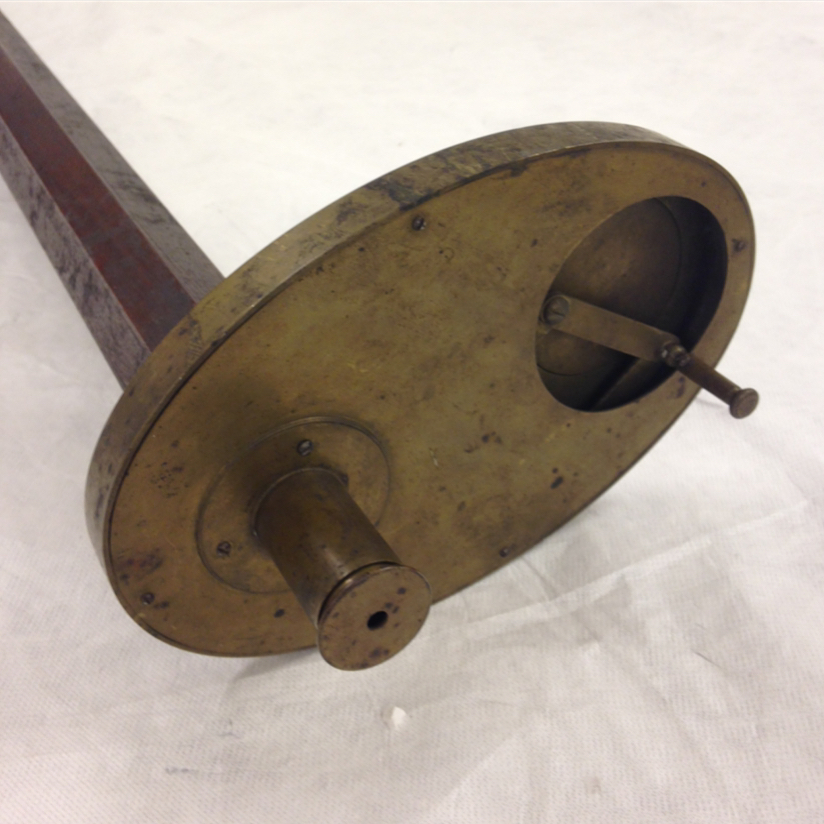
2017-02-27
Prototype for a device for perspective drawing, designed by Swedish physicist J. C. Wilcke and described by him in the Proceedings of the Royal Swedish Academy of Sciences in 1772, "A new Perspective-Micrometer, with which the Objects, seen within Tube and Microscope, could be drawn." The proceedings (in Swedish) are digitized and accessible on our website. #treasuresofthearchives #scientificheritage #centerforhistoryofscience #historyofscience #scientificinstruments #wilcke #rsas #kvah
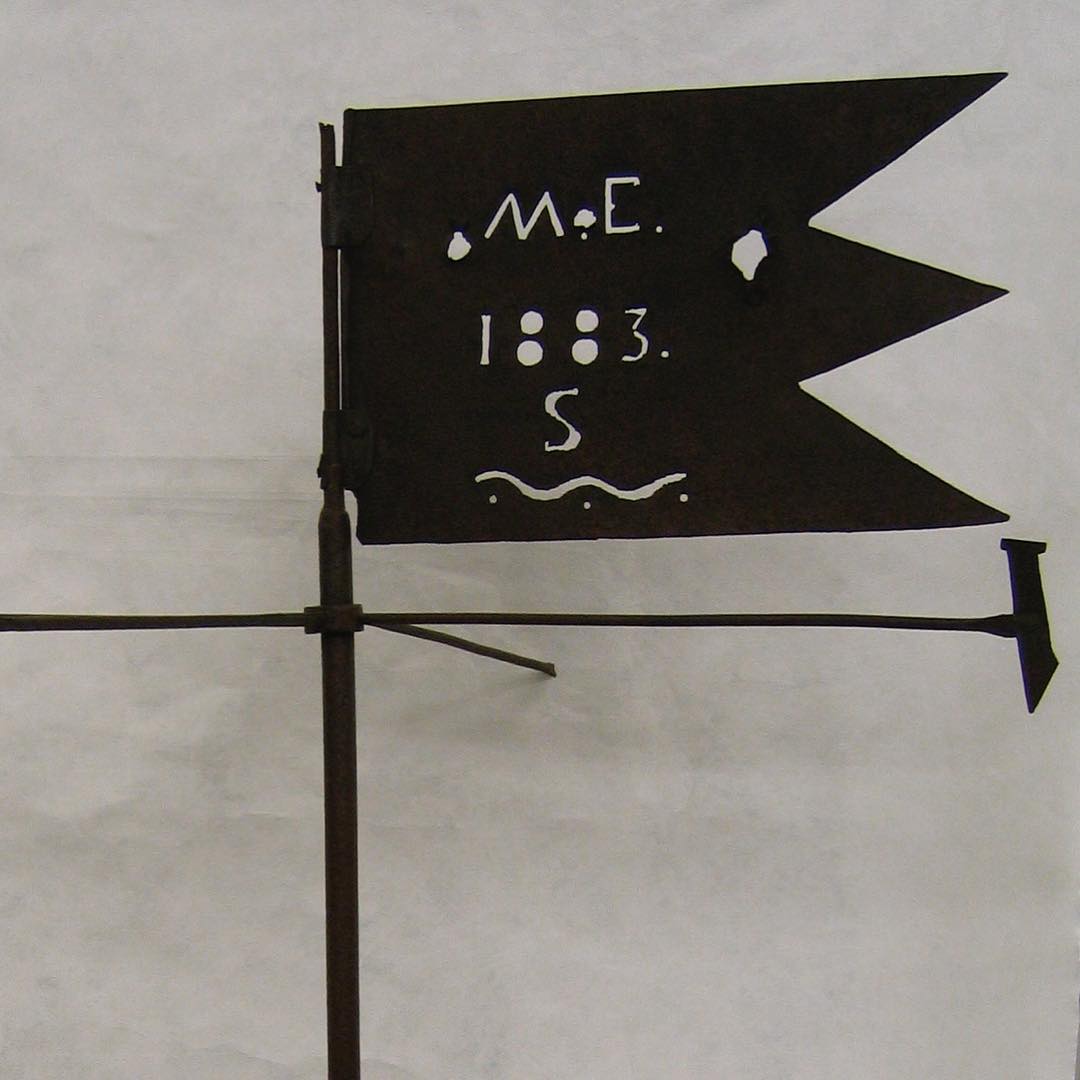
2017-02-24
A vane made of iron, from the Swedish expedition to Cape Thordsen on Spitsbergen during the first international polaryear 1882-1883 (also visible in a previous post). The three slightly larger holes are the results of some sharpshooting by members of the expedition. A bit of #fridayfun ? #polaryear #centerforhistoryofscience #scientificheritage #exploration #polarresearch #treasuresofthearchives #winterfun #polarhistory #
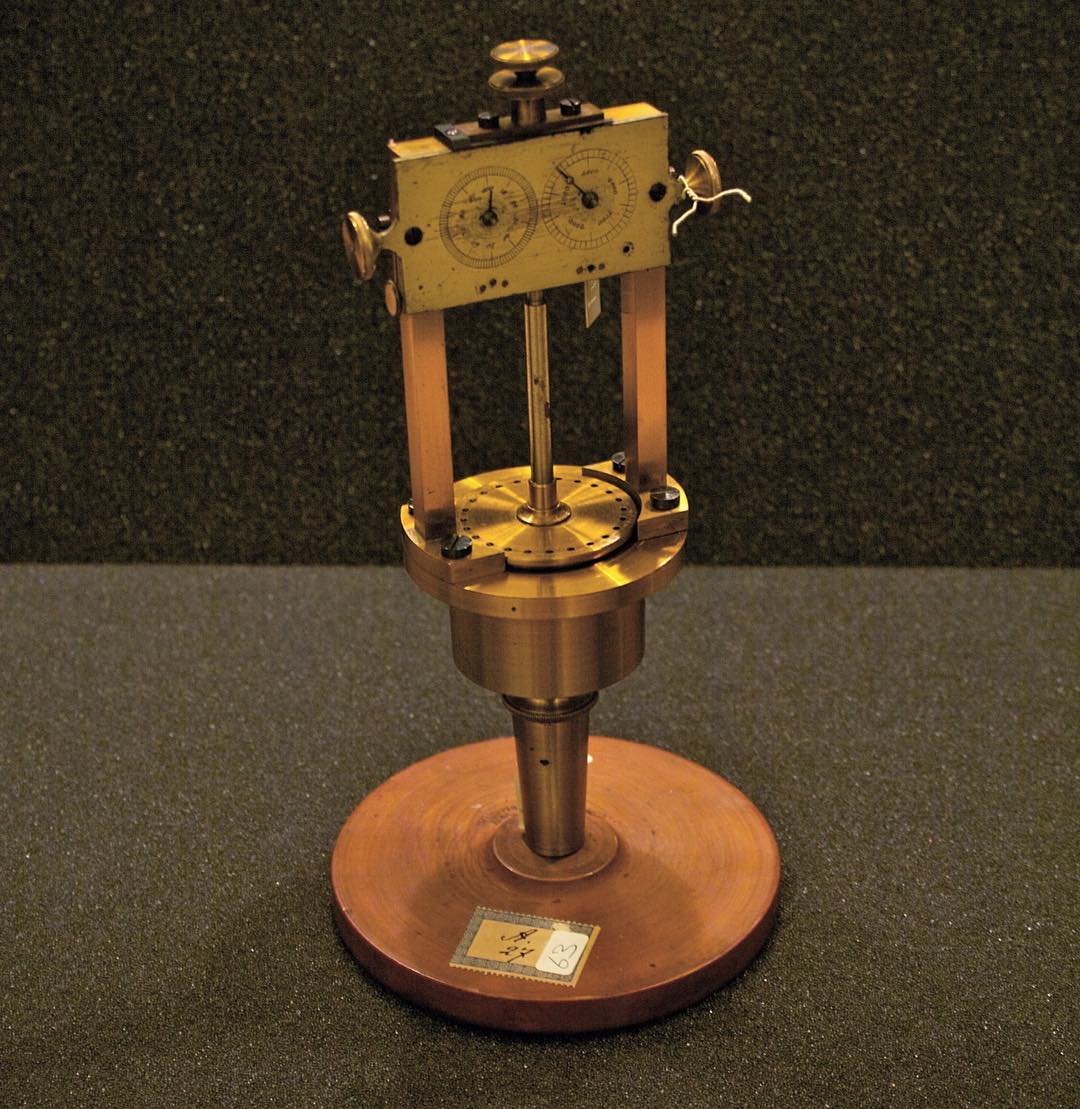
2017-02-23
Acoustic siren, invented in 1819 by French engineer and physicist Charles Cagniard de la Tour (1777-1859). With this you could mechanically determine the number of vibrations corresponding to a sound of any particular pitch. We have actually tested it, and it takes some practice to master... #centerforhistoryofscience #historyofscience #engineering #historyofengineering #acoustics #physics #delatour #treasuresofthearchives #scientificinstruments #scientificinstrumentscollections #easiersaidthandone
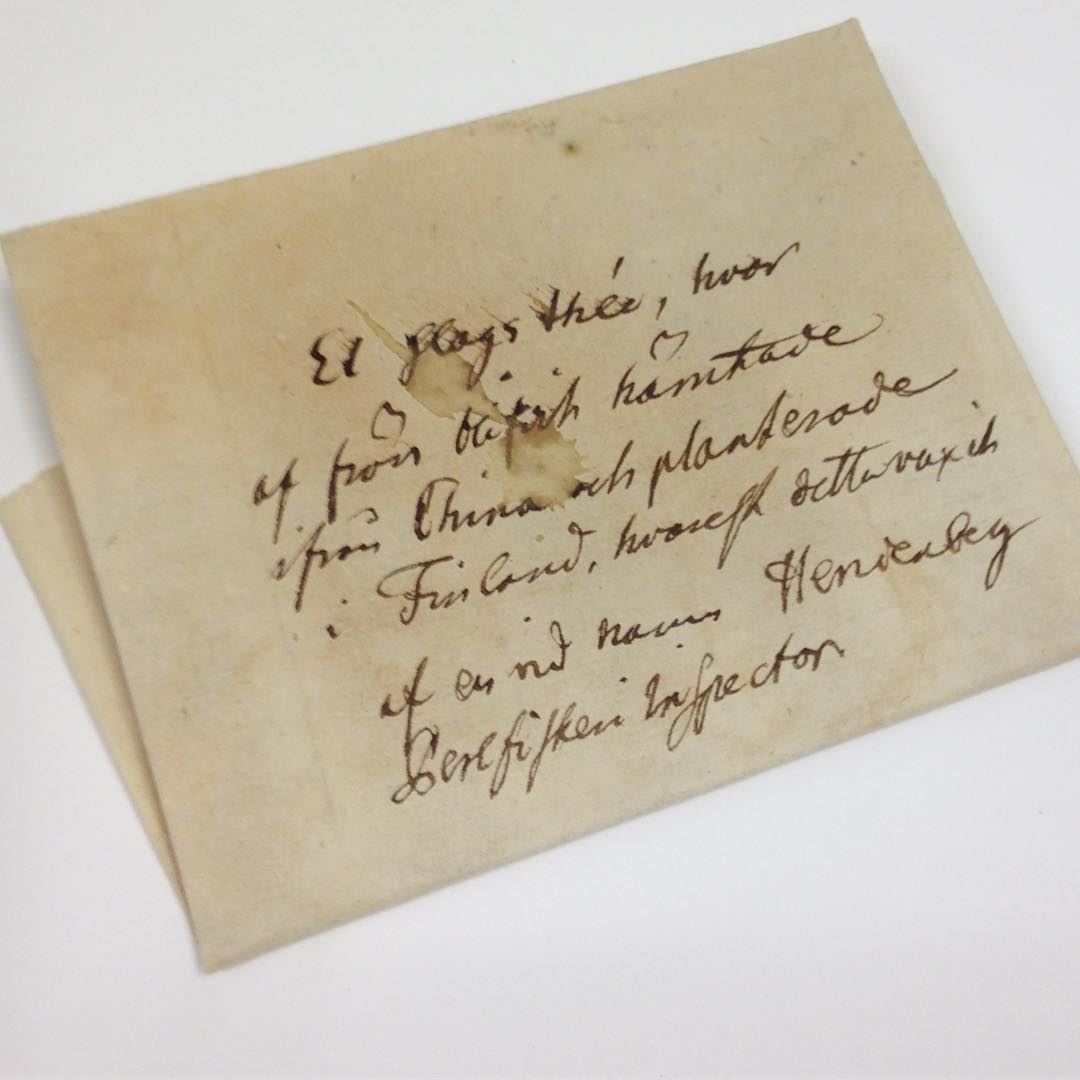
2017-02-17
A piece of folded paper containing leaves of tea, sent to the Academy in 1754. In the minutes from June 15, it is mentioned that the Academy had received samples of a tea from the inspector of the pearl fishing industry in Finland, a Mr Hedenberg, which had brought it home from China and grown it on his estate. The tea was said to be the most popular tea in China, known as "bai cha". The permanent secretary and another prominent member of the Academy had already tasted it, and found it to be "quite untasty"! #afternoontea #treasuresofthearchives #scientificheritage #historyofscience #historyofbotany #china #tea #notmycupoftea #scientificcorrespondence #centerforhistoryofscience #manuscript
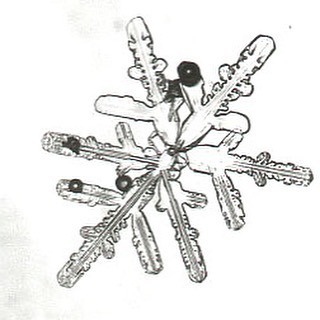
2017-02-15
Photo of ice crystal by meteorologist Gösta Liljequist (1914-1995), taken during the expedition to Svalbard on the international geophysic year 1957-1958. #centerforhistoryofscience #polarhistory #polarresearch #historyofmeteorology #winterwednesday
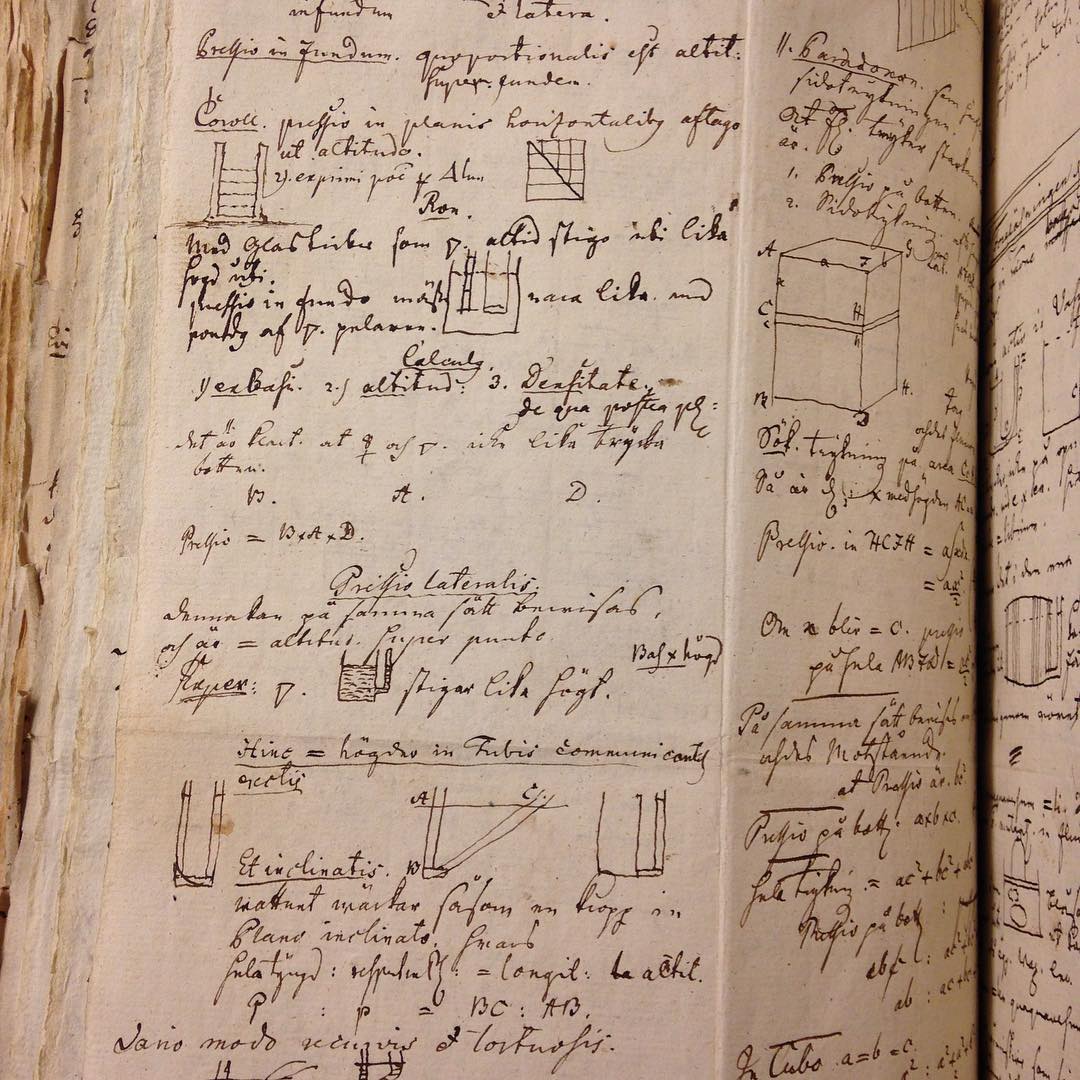
2017-02-09
Manuscript for a public lecture in physics, to be held at the House of Nobilities on March 4, 1762, by Swedish physicist Johan Carl Wilcke (1732-1796). This lecture was part of the so called "Thamian lectureship". In 1727, Sebastian Tham (1666-1729), nobleman, counsellor to the National Board of Trades, and a very wealthy man, donated a large sum of money to the House of Nobilities in Stockholm. The money was to be used to found an institution for the education of young noblemen. Not much happened for more than a decade, but in 1746 it was decided that the Academy would get the annual return interest, to pay the salary for the permanent secretary. In return, he should give public lectures in mathematics or the natural sciences. #historyofscience #centerforhistoryofscience #theroyalswedishacademyofsciences #kva #rsas #scientificheritage #treasuresofthearchives #historyofeducation #wilcke
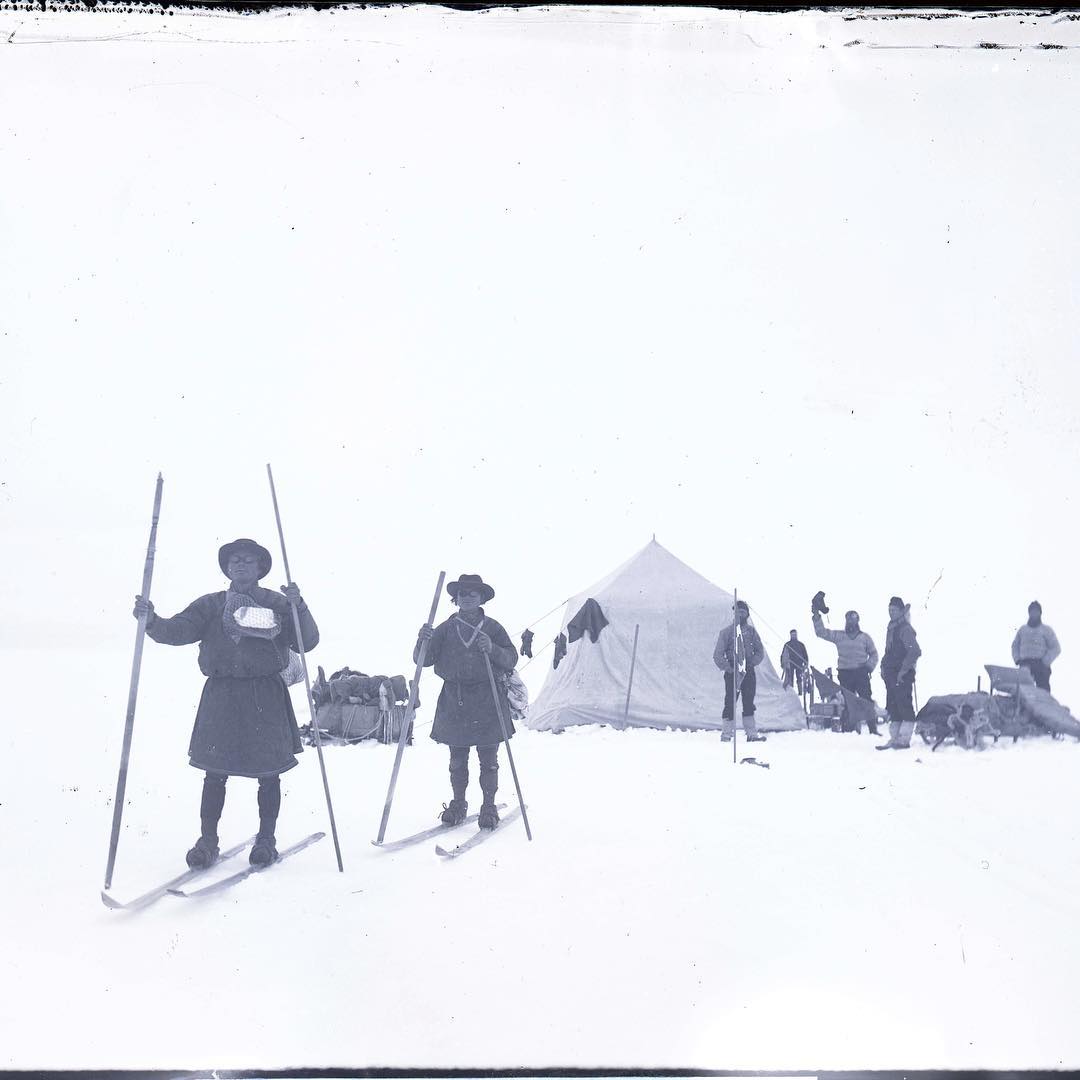
2017-02-06
Original glass plate from the Greenland expedition of 1883 under the leadership of A. E. Nordensköld. Two of the expedition members were of Sami origin. Anders Pavasson Rossa and Pava Lars Nilsson Tuorda were chosen to participate because of their exceptional skiing skills. On July 22 they set out on a skiing tour to survey the inland of Greenland. They returned after 57 hours having covered a distance of 460 km. On the return of the expedition this achievement was questioned by many, among others by Fritiof Nansen. Nordenskiöld then had a ski race organised under similar conditions and the same distance as on Greenland, which the then 36 year old Pava Lars Nilsson Tuorda won, breaking his own time record from the Greenland skiing tour and silencing the doubters. #historyofpolarexpeditions #polarresearch #historyofscience #historyofphotography #historyofskiing #sáminationalday
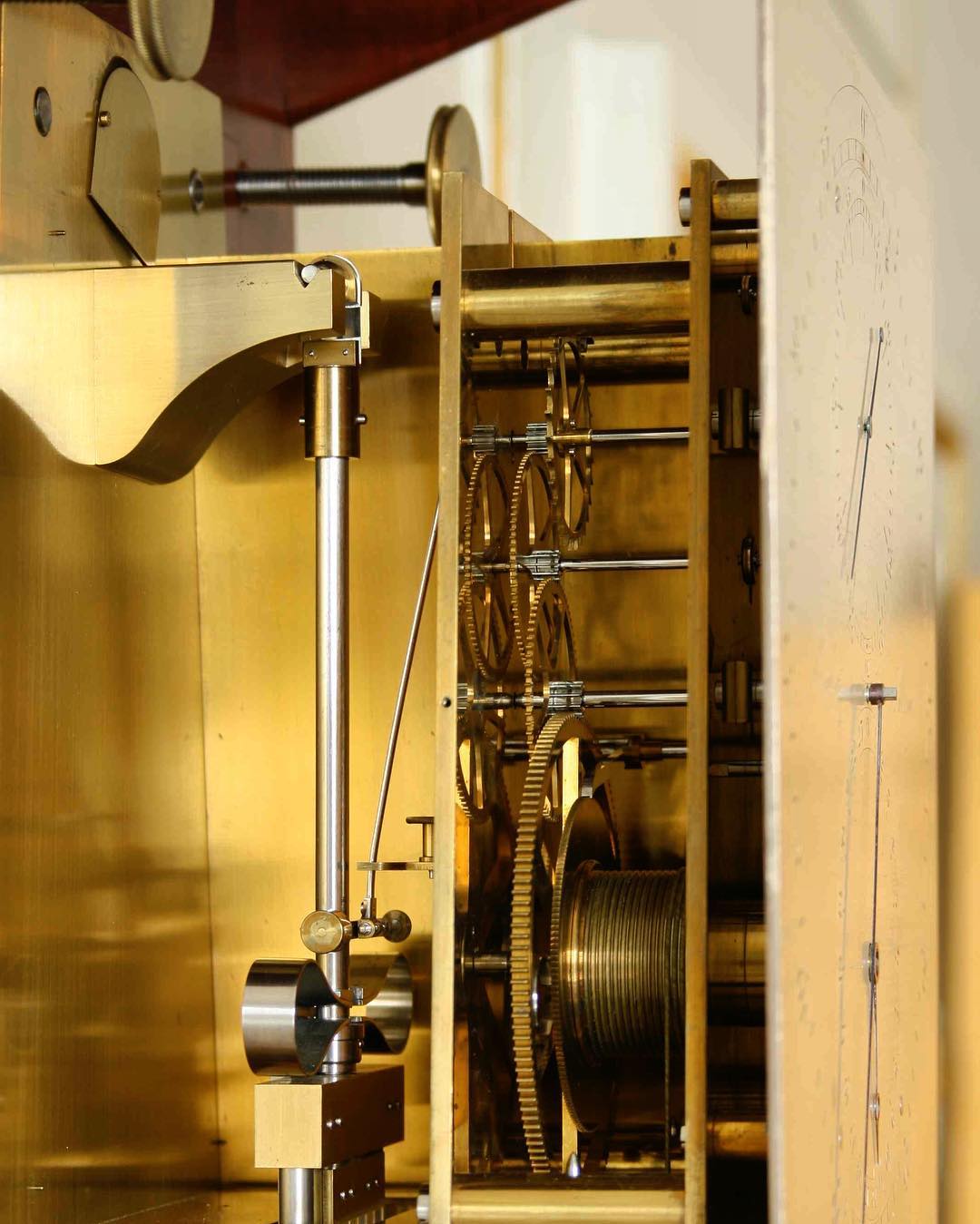
2017-02-03
Regulator clock by H. J. Kessels, Altona 1839. Detail of the movement. The clock was ordered by the Academy as sidereal standard at the Stockholm observatory and was in use until 1932. #centerforhistoryofscience #scientificinstruments #astronomy #clock #historyofastronomy #scientificheritage #stockholmobservatory #stjärntid #kessels #adastra #timeflies #astimegoesby
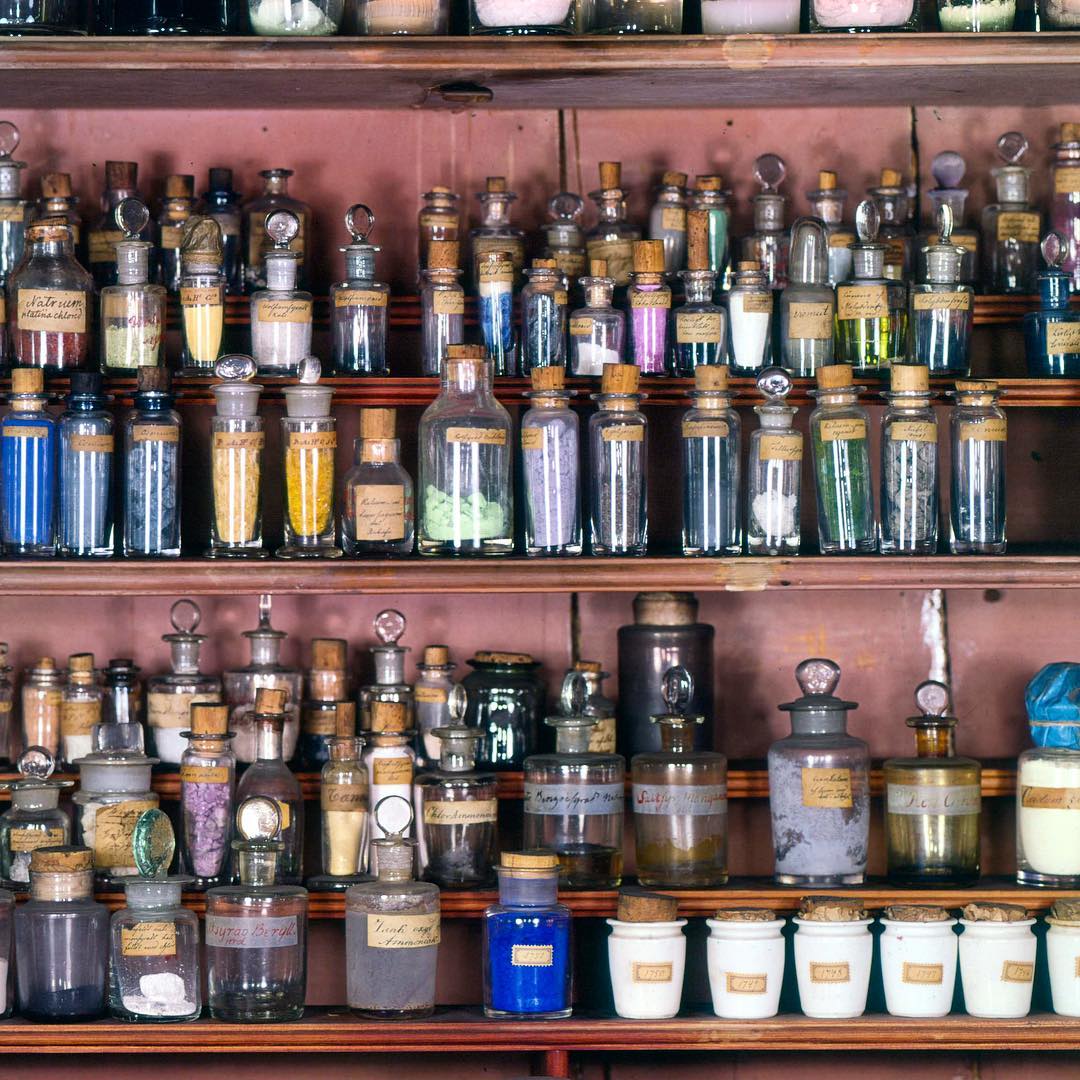
2017-01-31
Part of the collection of inorganic compounds with which Jacob Berzelius determined the atomic weights. Display around 1970 in the now closed Berzelius museum. Photo by Lennart Nilsson. #historyofscience #historyofchemistry #chemicalheritage #scientificheritage #centerforhistoryofscience #berzelius #historyofmuseums
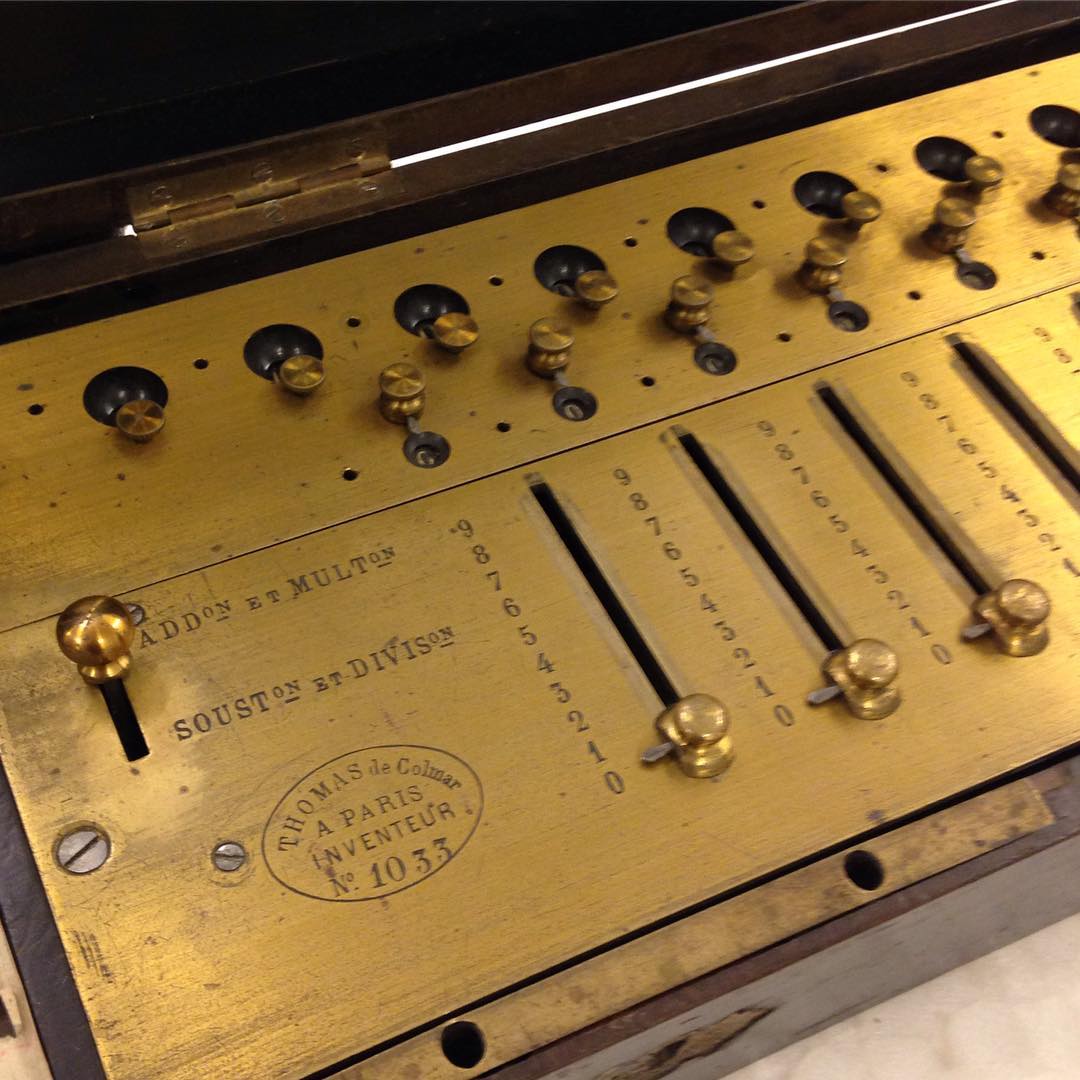
2017-01-24
An arithmometer, a mechanical calculator invented in 1820 by the french mathematician Charles Xavier Thomas de Colmar. It had a strong reputation of reliability and accuracy, and was used until the early 1910:s. This particular item was used at the Stockholm observatory. It was purchased in 1876, and had "for several reasons during the last winter been of the greatest benefit" to the work at the observatory, according to the astronomers annual report #stockholmobservatory #astronomy #historyofastronomy #historyofscience #centerforhistoryofscience #scientificheritage #mathematics #scientificinstrument #calculator #arithmometer #arithmomètre #reallylongpost
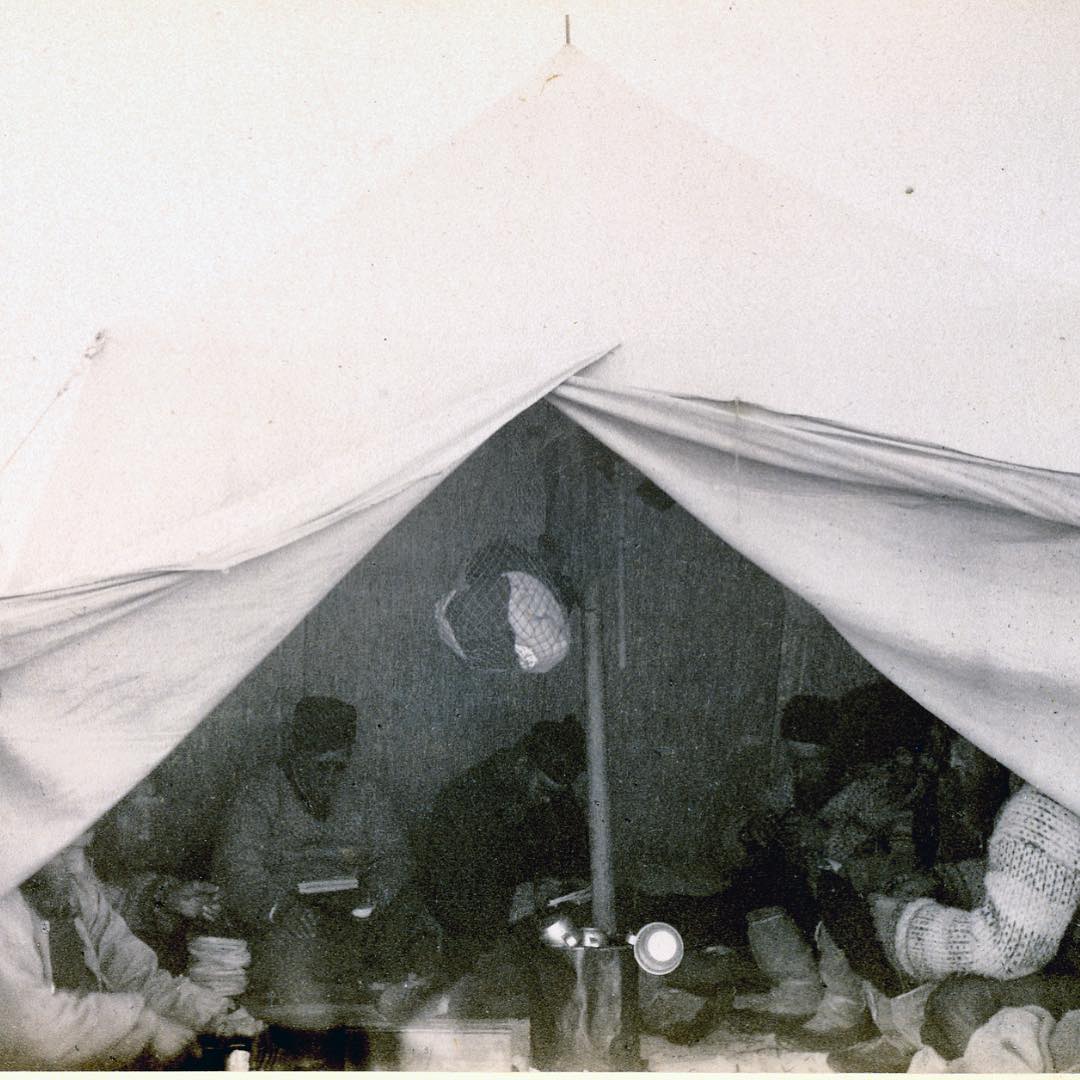
2017-01-17
Rest after the day tour, a summer day in July. The expedition to Greenland in 1883 under the leadership of A. E. Nordenskiöld. #centerforhistoryofscience #polarhistory #historyofphotography #greenland #tenttuesday #thegreatoutdoors
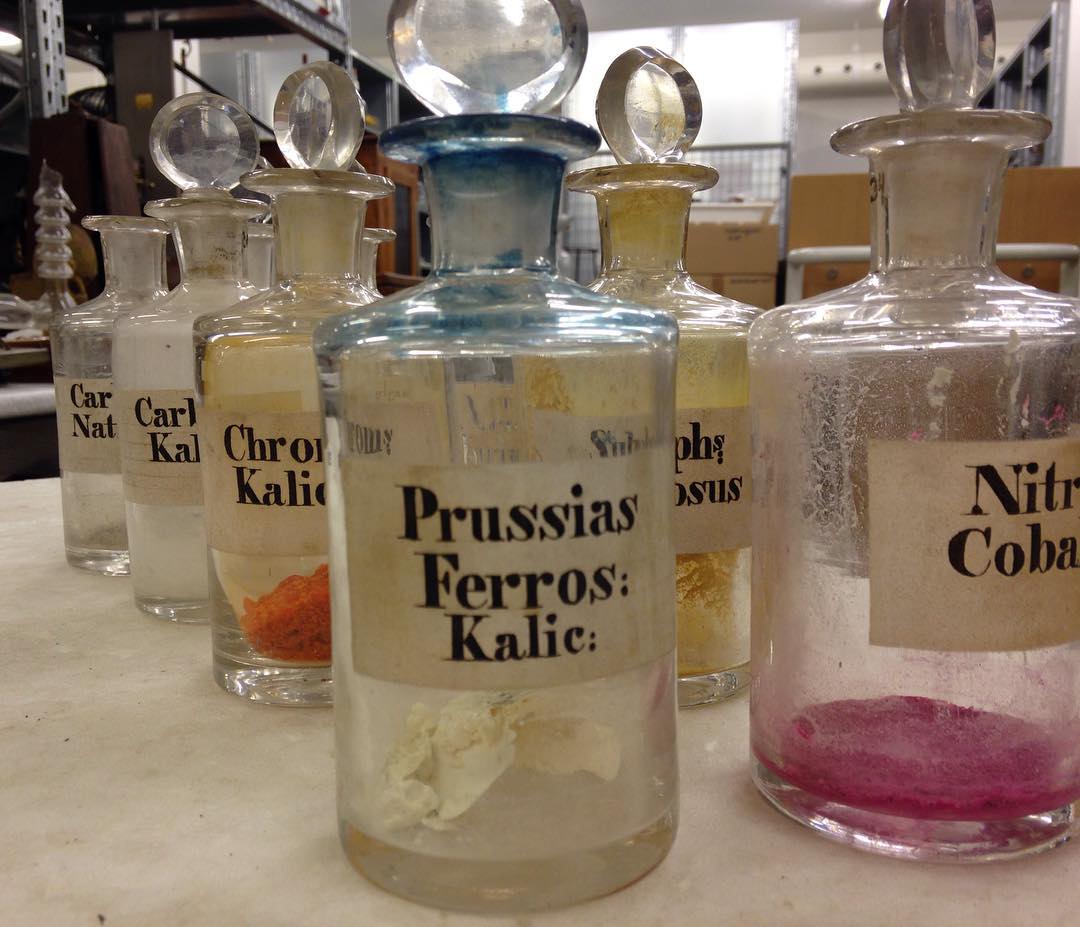
2017-01-13
Beautiful bottles of reagents from the Berzelius collection of laboratory equipment. #berzelius #laboratory #chemistry #chemicalheritage #historyofchemistry #historyofscience #scientificheritage #laboratoryequipment
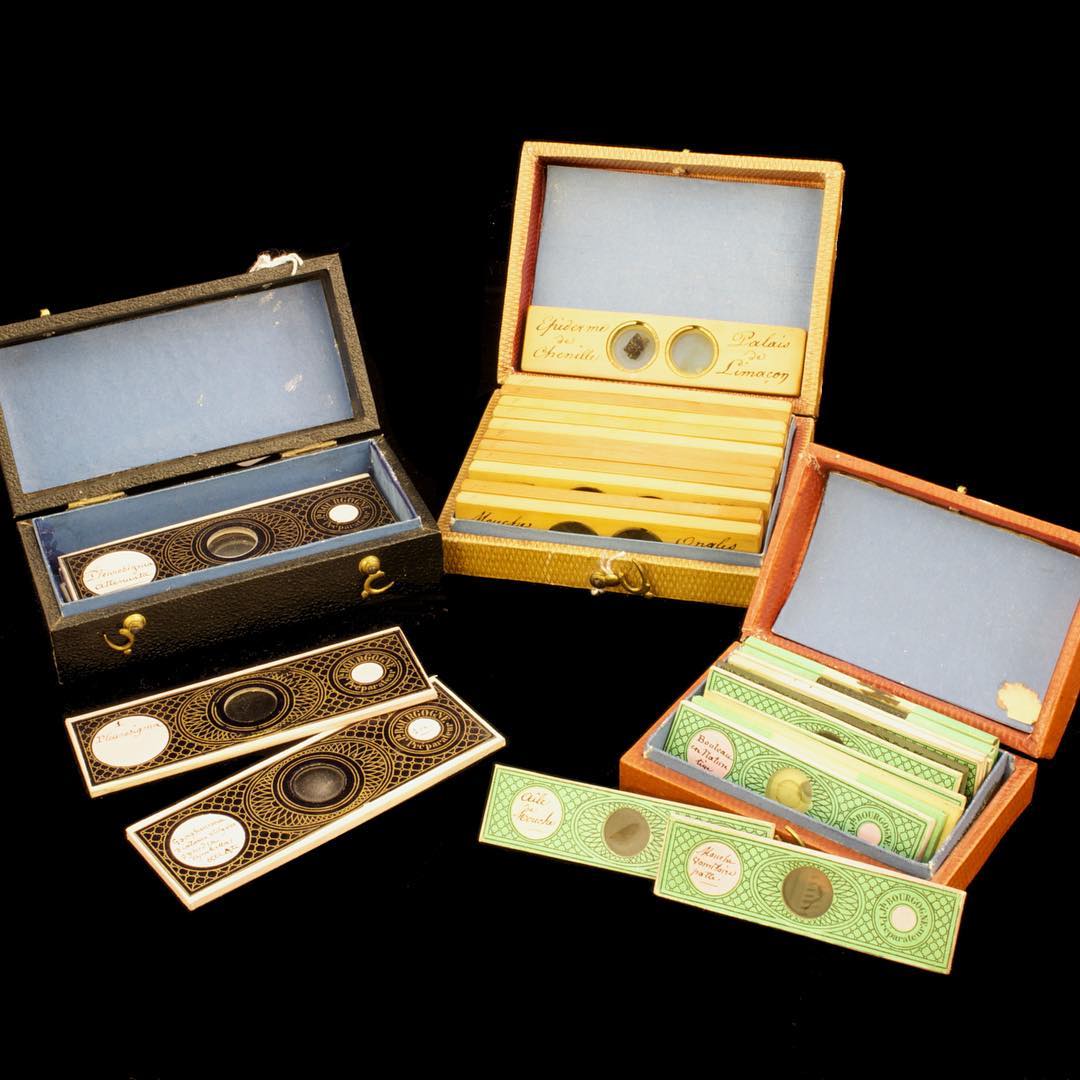
2017-01-10
A colourful collection of microscope slides with botanical samples from the late 19th century #microscope #slides #treasuresofthearchives #centerforhistoryofscience #historyofscience #scientificheritage #museumobjects #tinytuesday
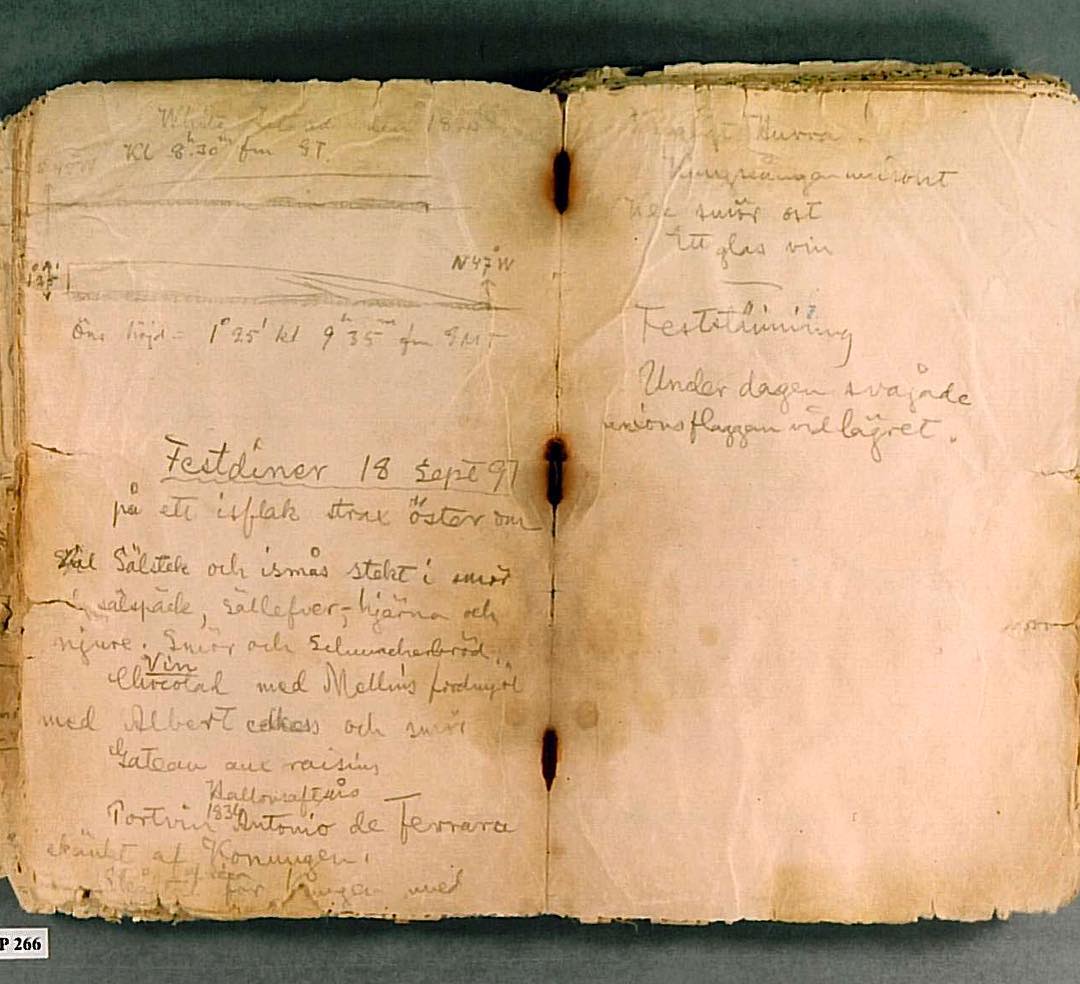
2017-01-01
Happy new year to all our followers! ✨A lot of festive dinners has been had, celebrating the new year. In July 1897 an expedition led by S. A. Andrée started their attempt to reach the North Pole by hot air balloon. After only two days Andrée and his fellow explorers Strindberg and Fraenckel crashed on the ice. They tried to reach civilisation by foot. After 33 years they were found in the ice at"Hvitön". Their diaries show that in spite of the horrible conditions, there were moments of celebration. Nils Strindberg described this "festive diner" in September 1897 to celebrate king Oscar's 25 years on the throne. The dinner consisted of all parts of a seal, wine, chocolate, crackers and port. Andrée made a toast for the king, the kings song were sang, the flag was up and Strindberg noted a celebration mood. (From Nils Strindberg's observation diary, photo: G. Törnvall). #polarresearch #arctic #arktis #nordpolen #thenorthpole #exloration #upptäcksresande #historyofscience #scientificheritage #treasuresofthearchive #balloon #andree
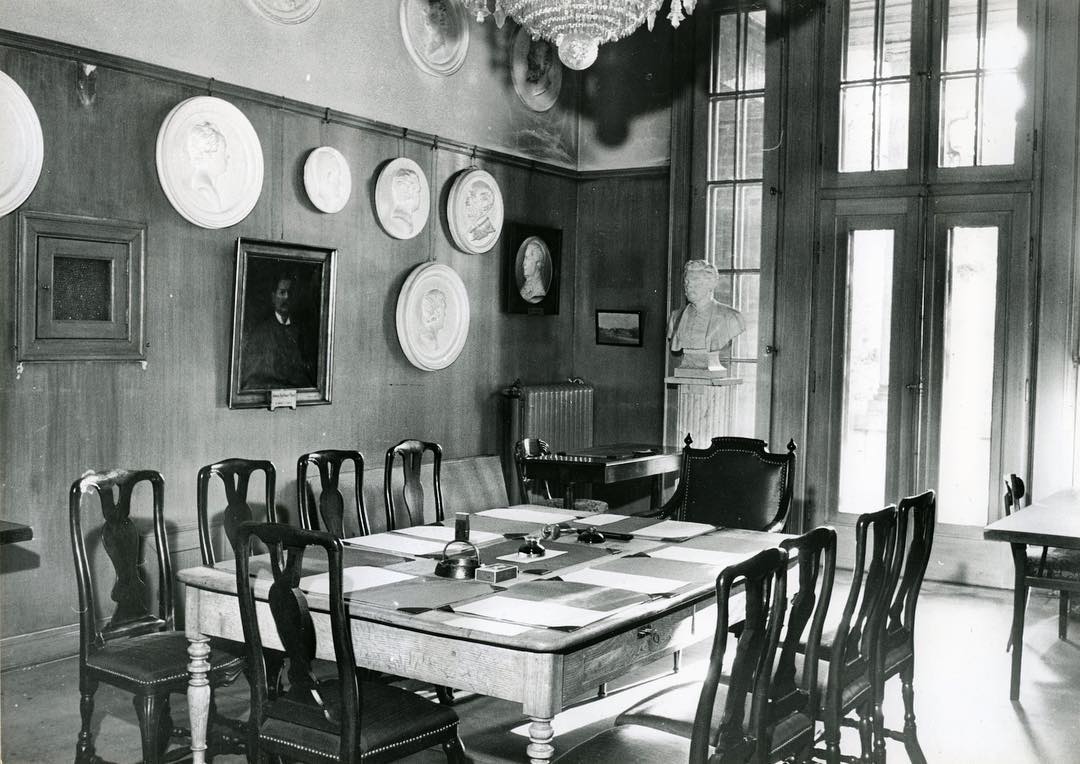
2016-12-29
The Academy smoke room from 1915 to the 1960's. Note the little door in the wall next to the painting. It led to the session hall and was intended for the sciopticon projector. Today both the sciopticons and smokers are placed elsewhere. #centerforhistoryofscience #academyofsciences #interiordesign #daysofyore #anonsmokinggeneration
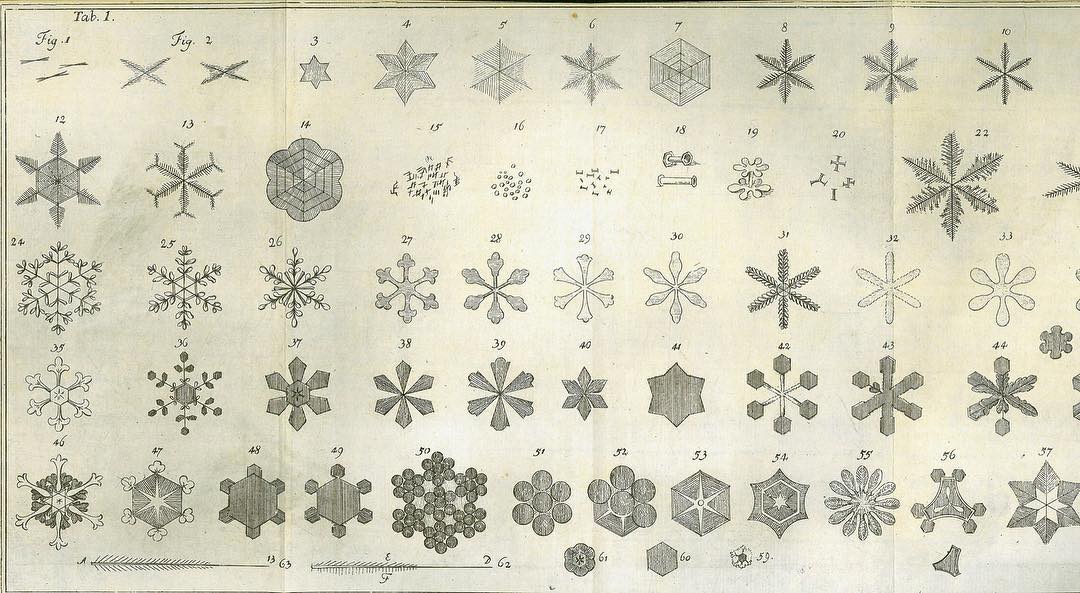
2016-12-28
Illustration from an article in the proceedings of the Royal Swedish Academy of Science 1761. "On the differences of natural snowflakes" by Johan Carl Wilcke (1732-1796). Physicist and secretary of the Academy. #centerforhistoryofscience #rsas #historyofphysics #scientificpublications #letitsnow #??
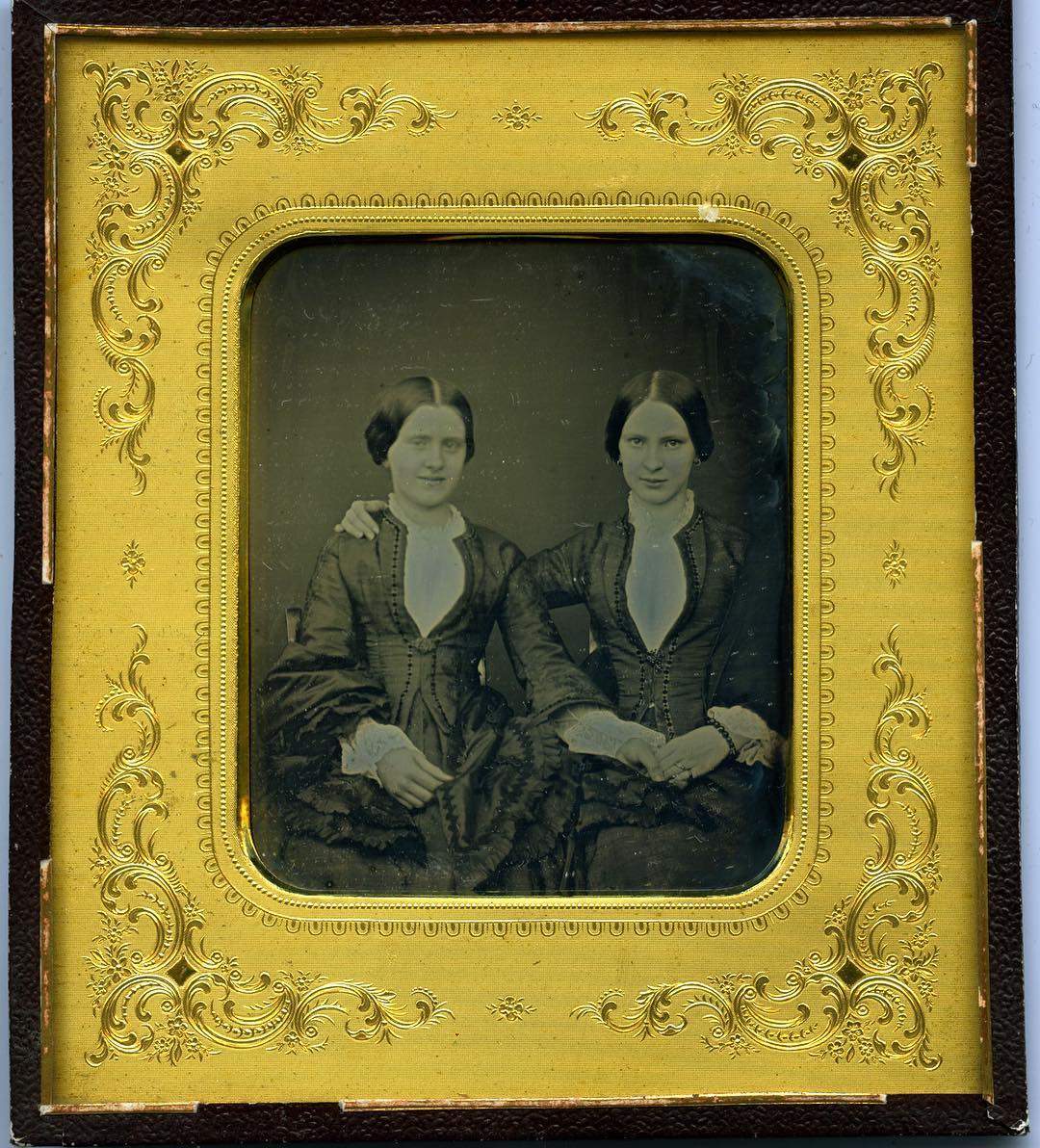
2016-12-21
Anna and Ebba Hierta. Daguerréotype from 1855. They were daughters of Lars Johan Hierta who was a Swedish publicist and founder of "Aftonbladet", at the time a progressive and outspoken newspaper in Stockholm. The father raised his five daughters in an atmosphere of liberalism. Anna Hierta (1841-1924) on the right, was during her life involved in several educational and social reform projects. Influenced by her fathers thoughts on gender equality she became an early women's rights activist but became gradually more conservative during later life and opposed both birth control and sexual tuition as well as women suffrage. She was married to RSAS member Gustav Retzius. #daguerrotype #centerforhistoryofscience #personalpapers #historyofsociety #historyofwomen #historyofphotography #lifestories
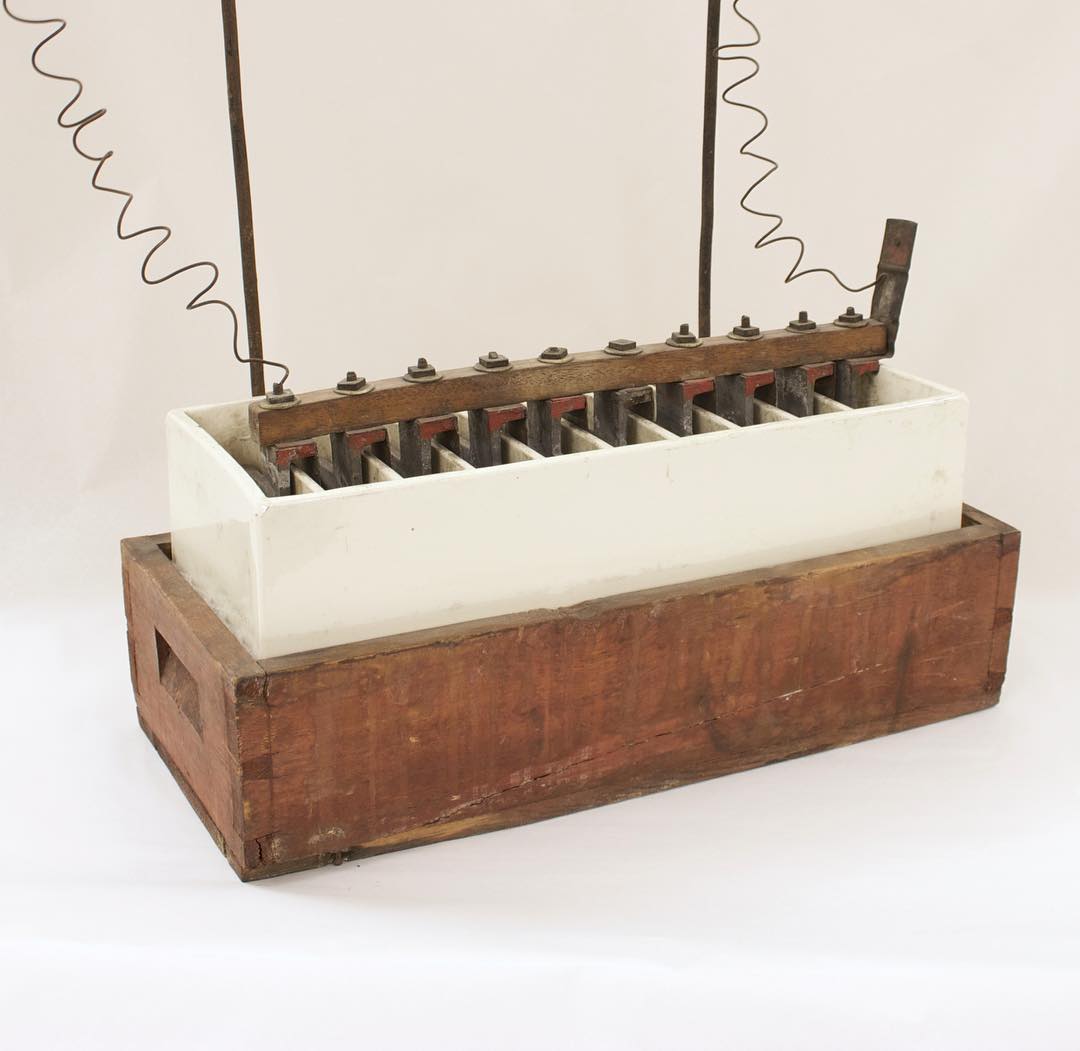
2016-12-20
A Wollaston's battery, given to the Academy in the 19th c, and said to be part of the apparatus used by Sir Humphry Davy at the Royal Institution, in the decomposition of potassium and sodium in 1807. #historyofscience #historyofchemistry #volta #battery #oldbattery #electricity #elements #humphrydavy #scientificbreakthrough #electrolysis #alkali #royalinstitution #rsas #centerforhistoryofscience #howcoolisthat
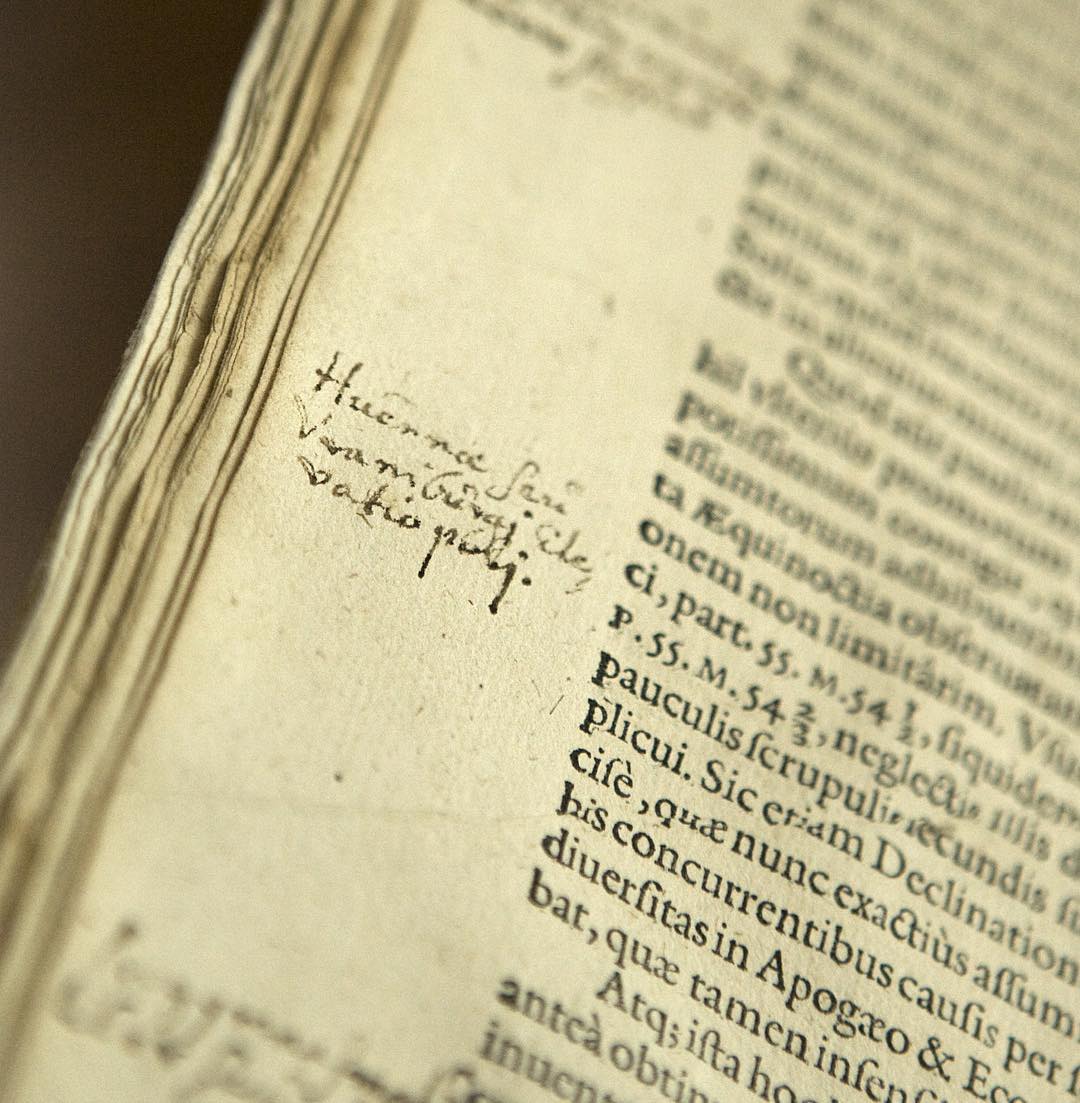
2016-12-19
In our holdings, we have a copy of Tycho Brahes "Astronomiae instauratae progymnasmata", printed and published by Brahe on Hven in 1592, on paper produced in his own paper mill. It contains extensive marginal notes and additions by several hands, among others Swedish 18th c astronomer Pehr Wargentin, Brahe himself, and last but not least, Johannes Kepler! #astronomy #historyofastronomy #bookhistory #marginalnotes #manuscript #printing #tychobrahe #kepler #centerforhistoryofscience #manuscriptmonday #marginalmonday #marginalia #instauratae #progymnasmata #howcoolisthat
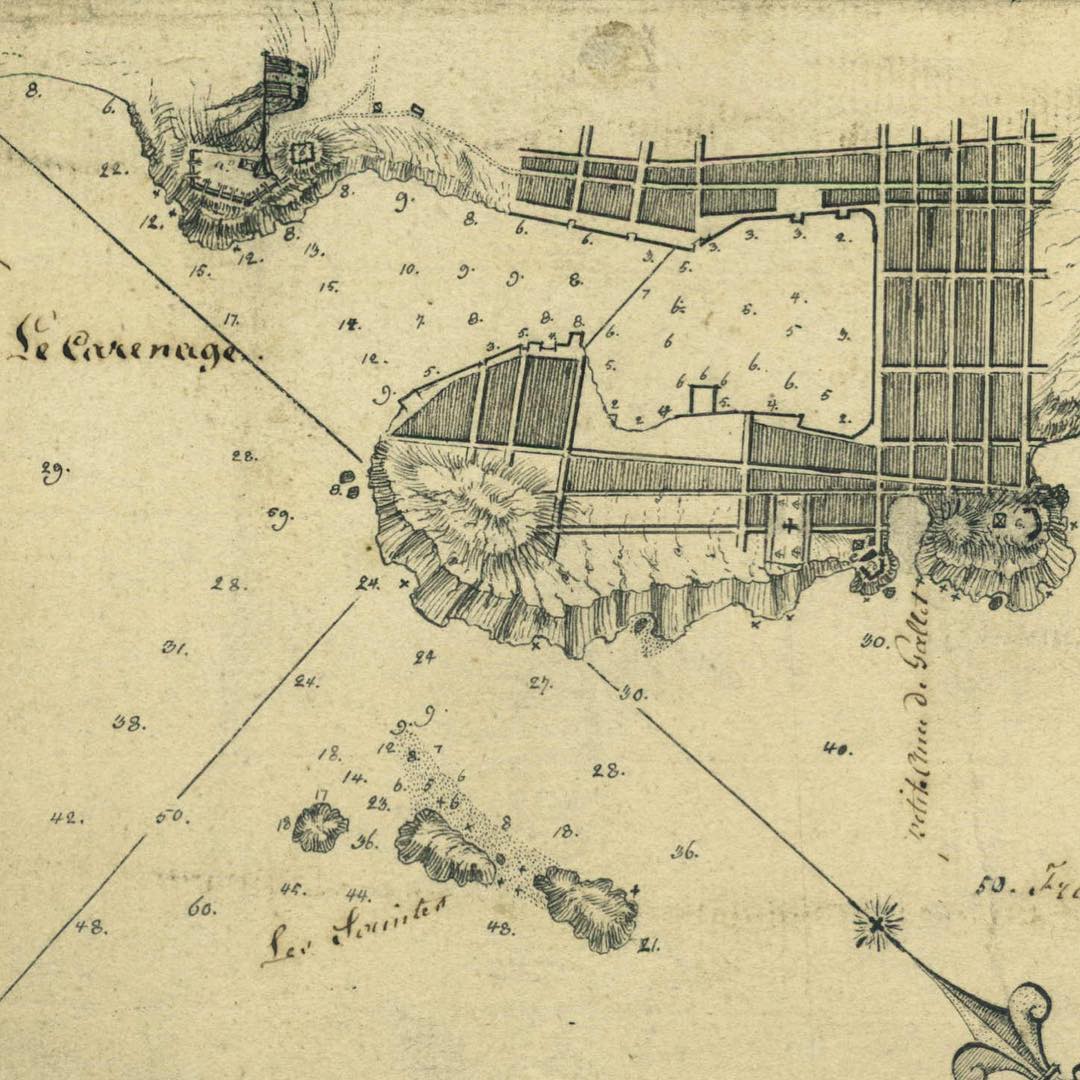
2016-12-16
Detail from a map of Saint-Barthélemy from 1792 by S. Fahlberg, showing the capital Gustavia. Saint Barths was a Swedish colony in the years 1784-1878. At the time once described as "the most miserable place on earth". A small island without drinking water and no natural assets apart from a good harbour. The Swedish king planned to make the island a free-trade area, including slave trade. The colony became a losing transaction for the Swedish state and after a local referendum in 1877, with only one vote in favour for continued Swedish affiliation the colony was returned to France. #centerforhistoryofscience #saintbarthelemy #historyofcolonization #18thcenturymap #thewarmestswedishspotinhistory #map #treasuresfromthearchive #frenchfriday
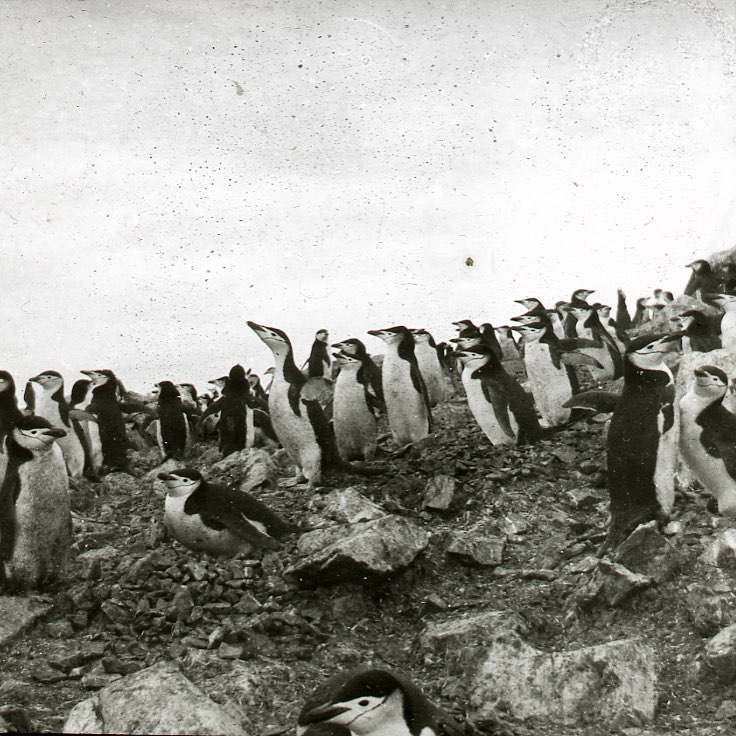
2016-12-15
Antarctique penguins. Photo from the South Pole expedition of 1901-1903 led by Otto Nordenskjöld. Despite several dramatic events including the sinking of the expedition ship "Antarctic", the expedition was considered a scientific success. #historyofscience #polarhistory #antarctic #penguins #sciopticon #adventures #centerforhistoryofscience #endoftheNobelweek #treasuresfromthearchive #historyofphotography
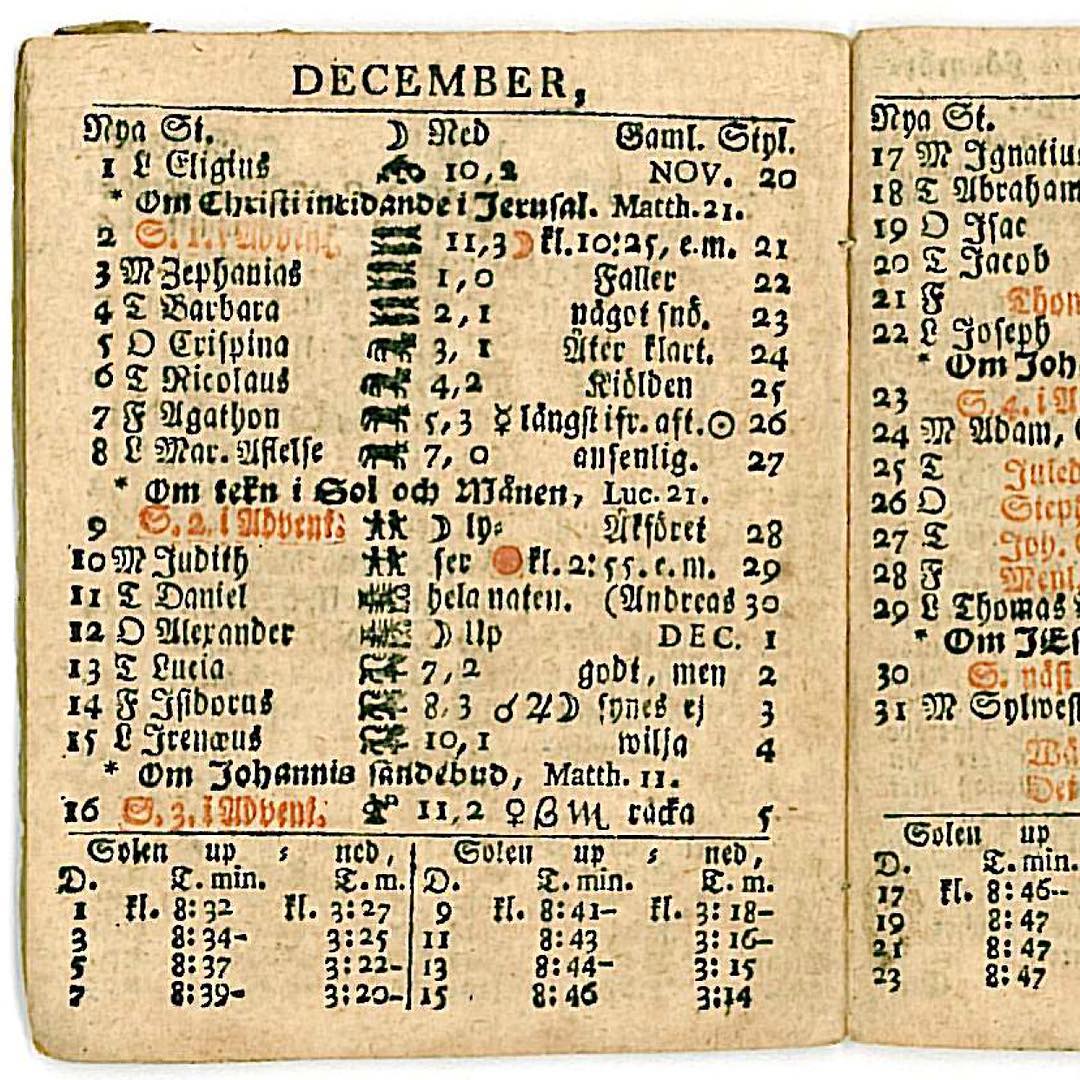
2016-12-14
Almanac for the first half of December 1753. Name of the day was Isidorus. This was the year Sweden made the change from the Julian to the Gregorian calendar. As it was introduced in 1583, Sweden was certainly not quick to adapt "the new style" as it was called. The adaptation meant that eleven days was erased in the month of February. The common man felt that eleven days was stolen from their lives. The Royal Swedish Academy of Science had monopoly on printing and selling almanacs for 225 years, 1747-1972 #almanac #centerforhistoryofscience #rsas #gregoriancalendar #historyofscience #historyofastronomy #lostdays
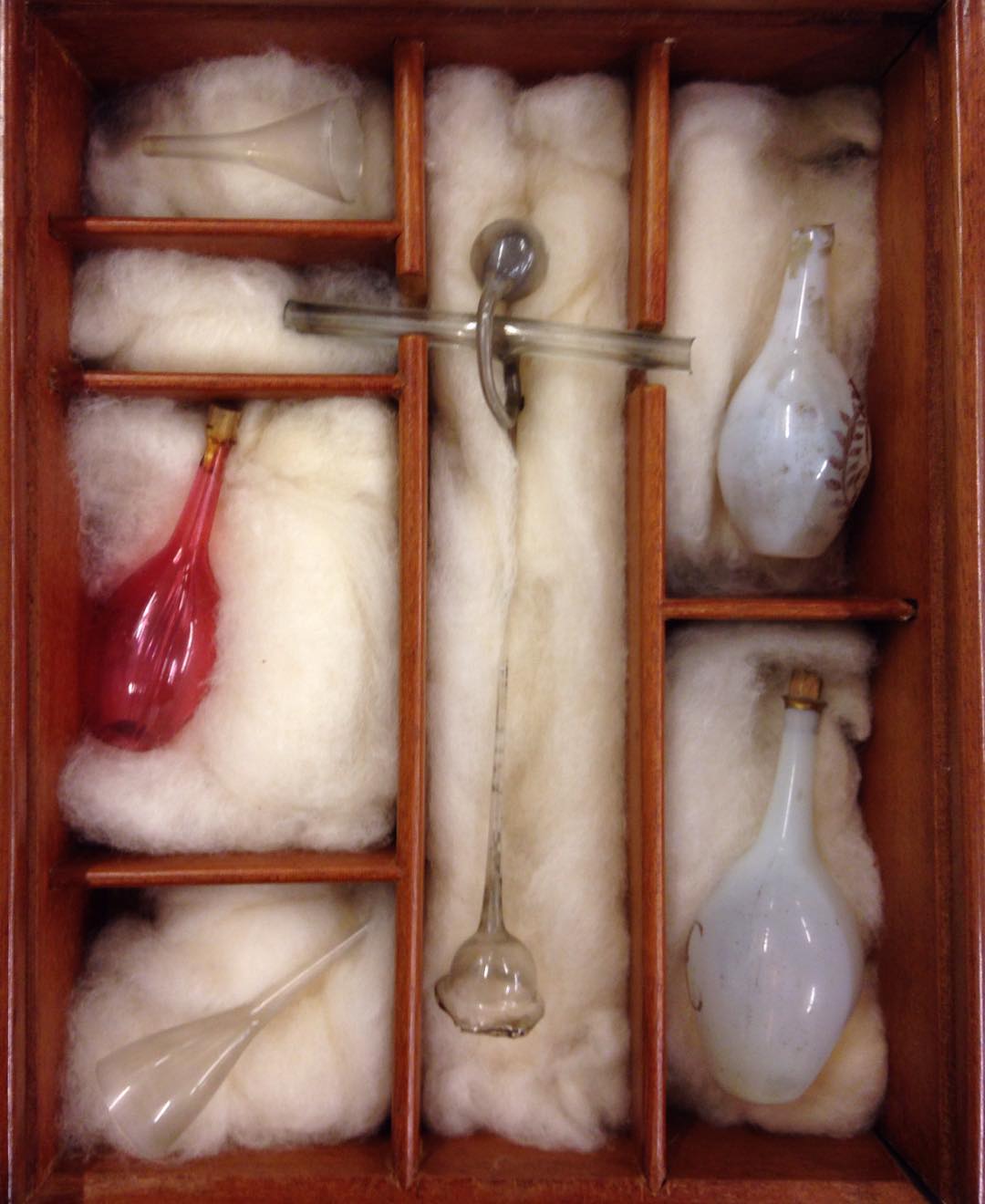
2016-12-13
For #tinytuesday we present these small funnels and bottles made by chemist J.J. Berzelius, and displayed in a custom made wooden box with a glasslid (the funnel in the top left corner measures 25 mm). The art of glass blowing was, if not necessary, at least very helpful for chemists in the 18th and 19th century to make glassware of the kind you needed for your laboratory. #chemistry #berzelius #handyman #diy #historyofchemistry #historyofscience #laboratory #glassware #glassblowing #vintage #handmade #centerforhistoryofscience #berzeliuscollection #rsas #kva
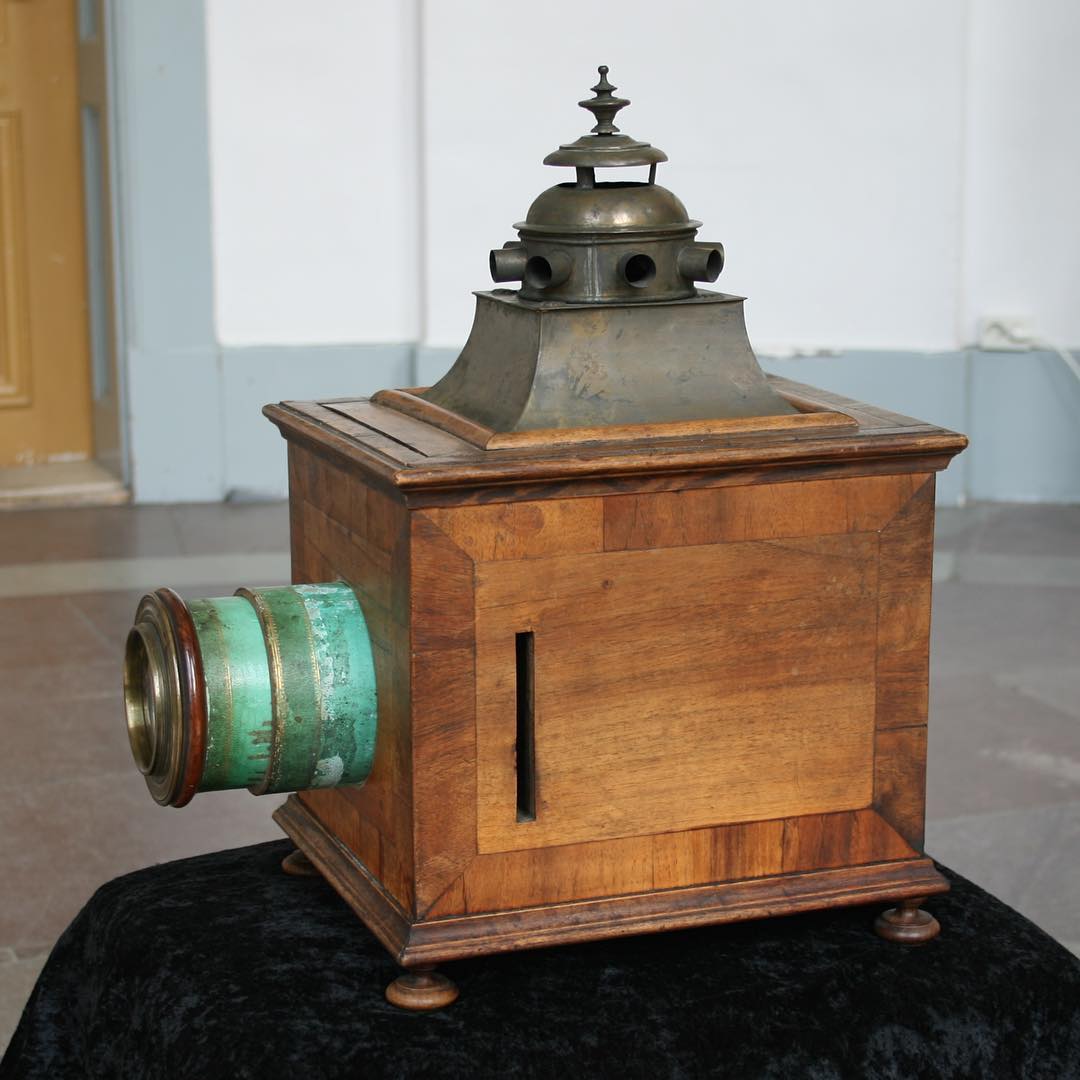
2016-12-13
Mid 18th century laterna magica, by J. L. Koch (Berlin). This was part of the collection of Swedish king Adolf Fredrik. In 1772, this collection was donated by his son king Gustaf lll, to the Royal Swedish Academy of Sciences. #laternamagica #scientificinstruments #scientificheritage #historyofscience #collection #royal #adolffredrik #gustaflll #optics #optictoys #antique #centerforhistoryofscience #rsas #kva
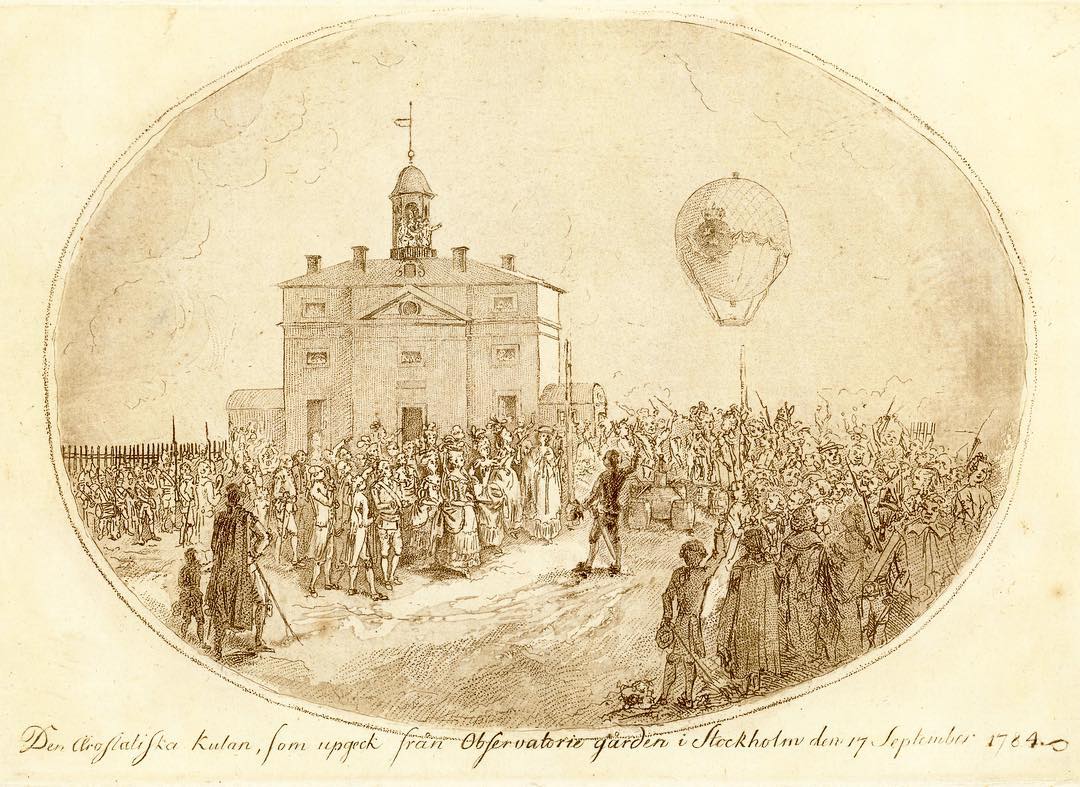
2016-12-12
In 1784 Sweden's first air balloon was launched outside Stockholm observatory in the presence of the king and queen. In the basket beneath was placed a stray cat and a note that said that the balloon should be returned to the Academy of Science if found. The balloon disappeared in the sky and was found three weeks later on Värmdön, a large island of the inner archipelago. The cat was then long gone. #centerforhistoryofscience #hotairballoon #historyofaviation #upintheair #historyofscience #stockholmobservatory #towardsinfinityandbeyond #print #engraving
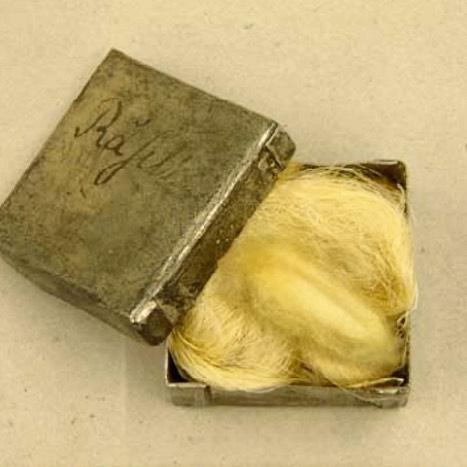
2016-12-11
From the 18th century there has been an ambition to produce the highly desired silk in Sweden to avoid the expensive import from China. In 1830 the society of domestic silk farming was founded. Mulberries was planted in various places in Sweden. Due to different pests and the hard winters it was never a success. In 1898 the society officially ceased to exist. This box of raw silk belongs to the collection of Jacob Berzelius, famous chemist, the Academy's permanent secretary and involved in this society. #centerforhistoryofscience #sericulture #silk #historyofagriculture #theresnothingswedescantdo #exceptforsilkfarming #historyofscience #berzelius #scientificheritage
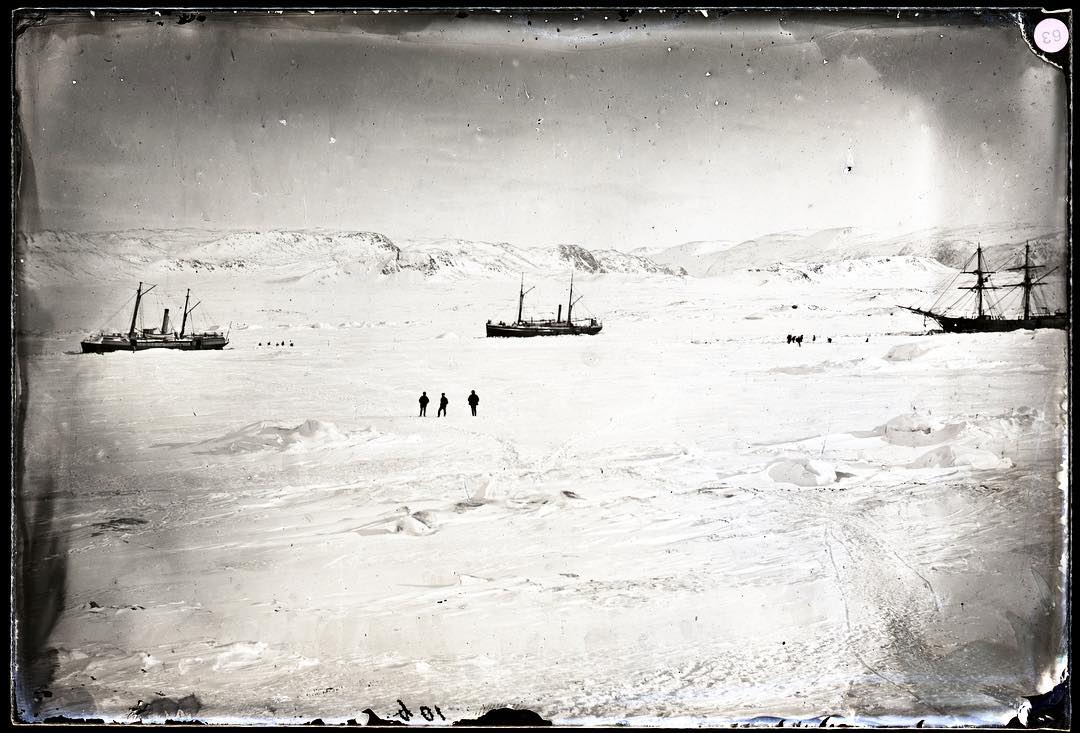
2016-12-09
Original photographic glass plate from the Nordenskiöld expedition to Spitsbergen 1872-1873. It was the first wintering in Svalbard by a scientific expedition. Two of the three ships was supposed to leave after unloading supplies (among other things 40 reindeer). Unfortunately an early severe winter storm left the ships frozen in at Mosselbay and all reindeer but one disappeared and was never found. #centerforhistoryofscience #polarexpedition #winterwonderland #spitsbergen #rudolphstayed #photohistory #historyofphotography #antique #glassplate #wetplatecollodion #historicphoto
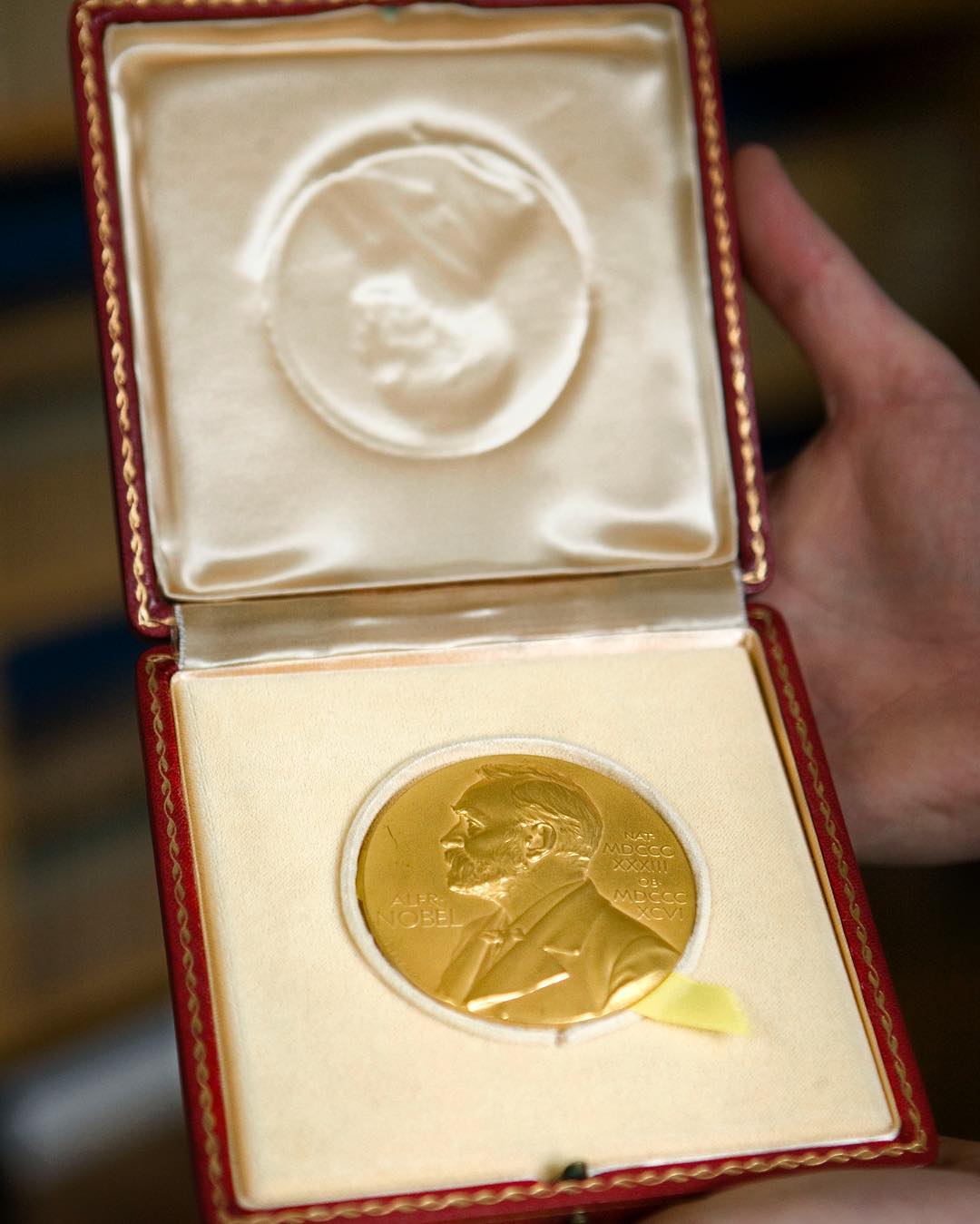
2016-12-08
For those of you who are not receiving a Nobel Prize this Saturday we offer a close up of the gold medal. This one was awarded to Ragnar Granit, Nobel laureate in Medicine in 1967. Photo: A. Kronborg #nobelprize #centerforhistoryofscience #historyofmedicine #tbt #alfrednobel #gold
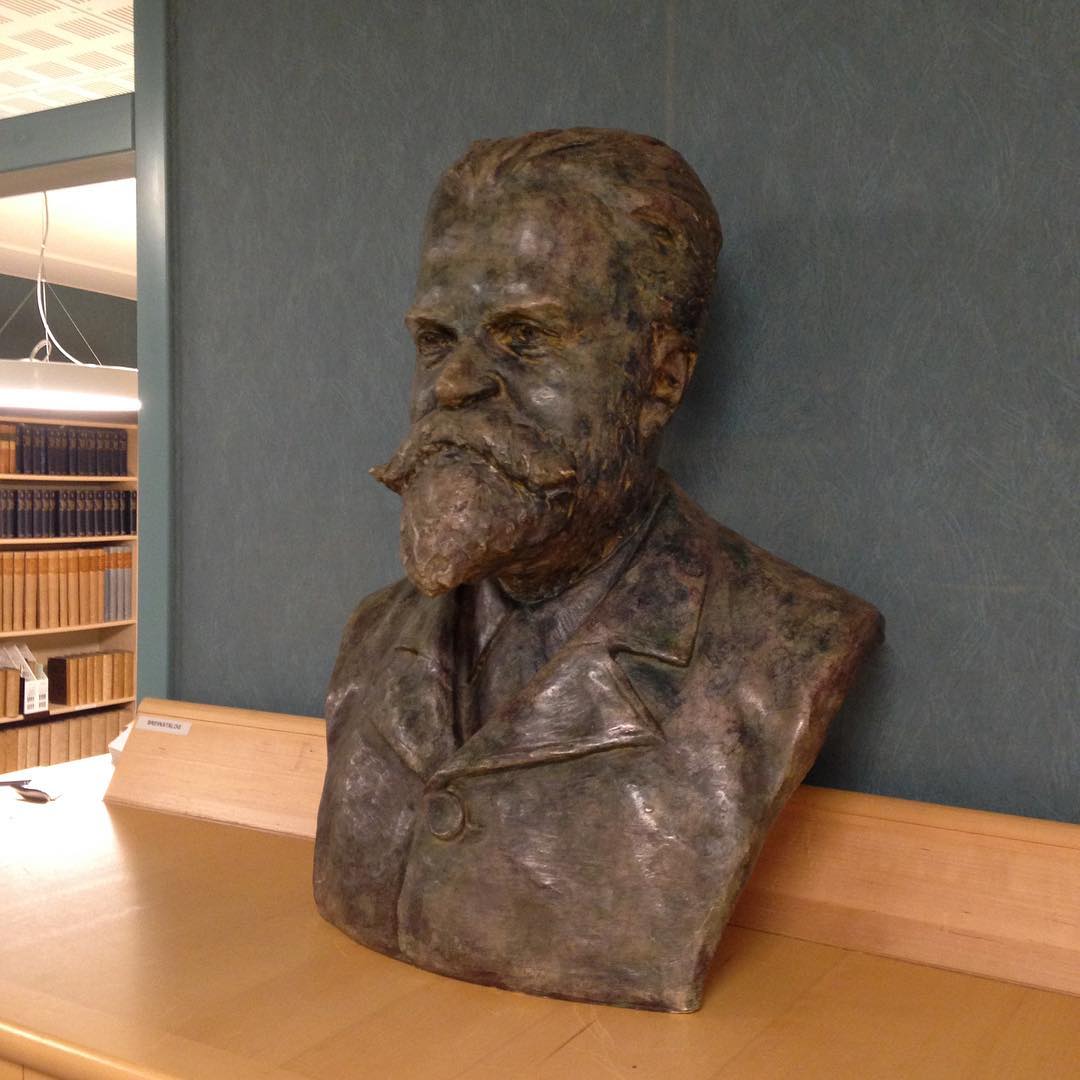
2016-12-07
Portrait bust of Nils Ekholm (1848-1923), Swedish meteorologist, arctic explorer and wind researcher. Among other things he is considered to be the founder of the Swedish storm warning system. He is also famous for not joining the unfortunate North Pole expediton of S.A. Andree in 1897. #meteorology #arcticresearch #wind #theweatherman #weatherwednesday #sculpture #centerforhistoryofscience
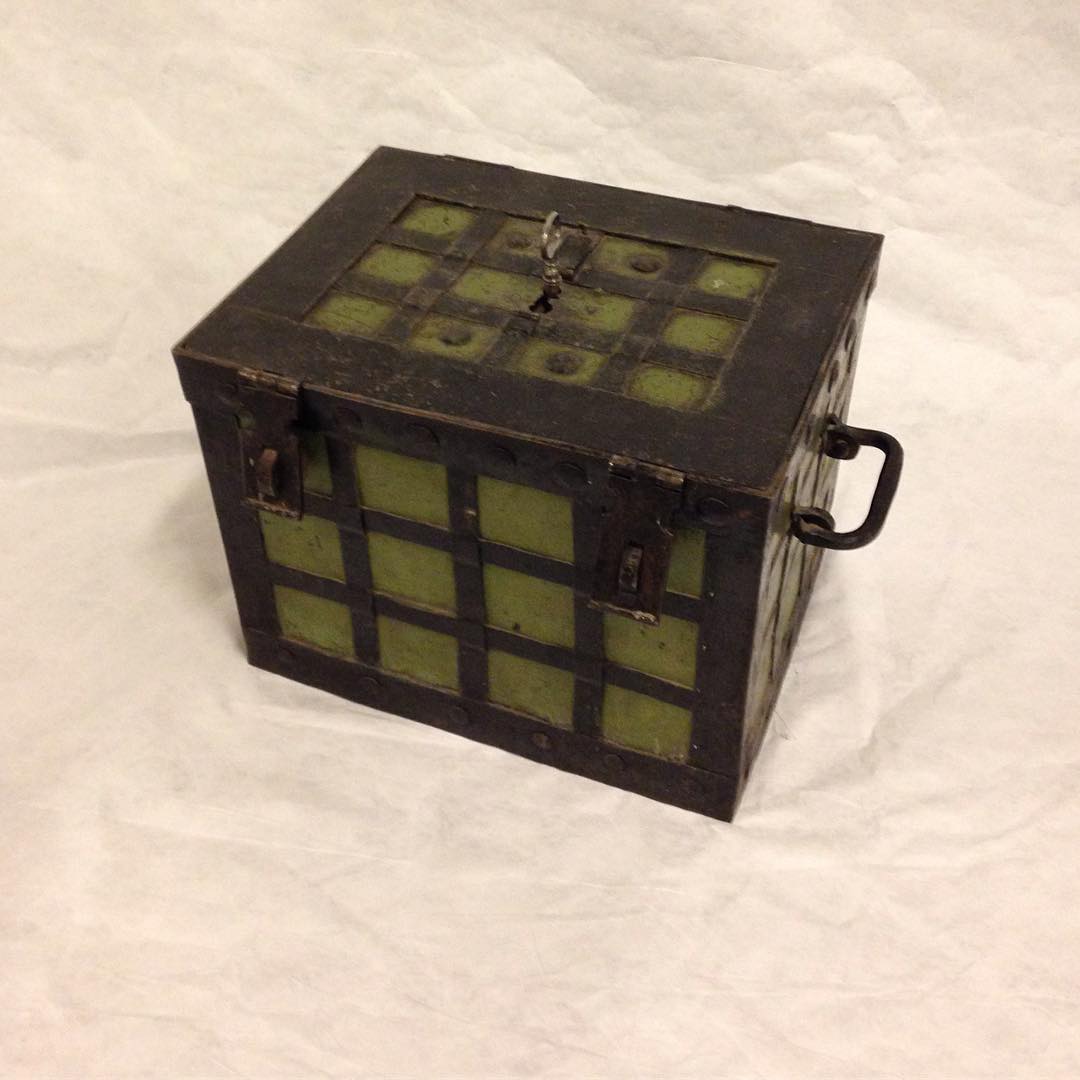
2016-12-07
Iron chest used by the Academy of Sciences in the late 18th and early 19th century, for the safekeeping of valuable documents. #rsas #royalswedishacademyofsciences #archives #history #documents #centerforhistoryofscience
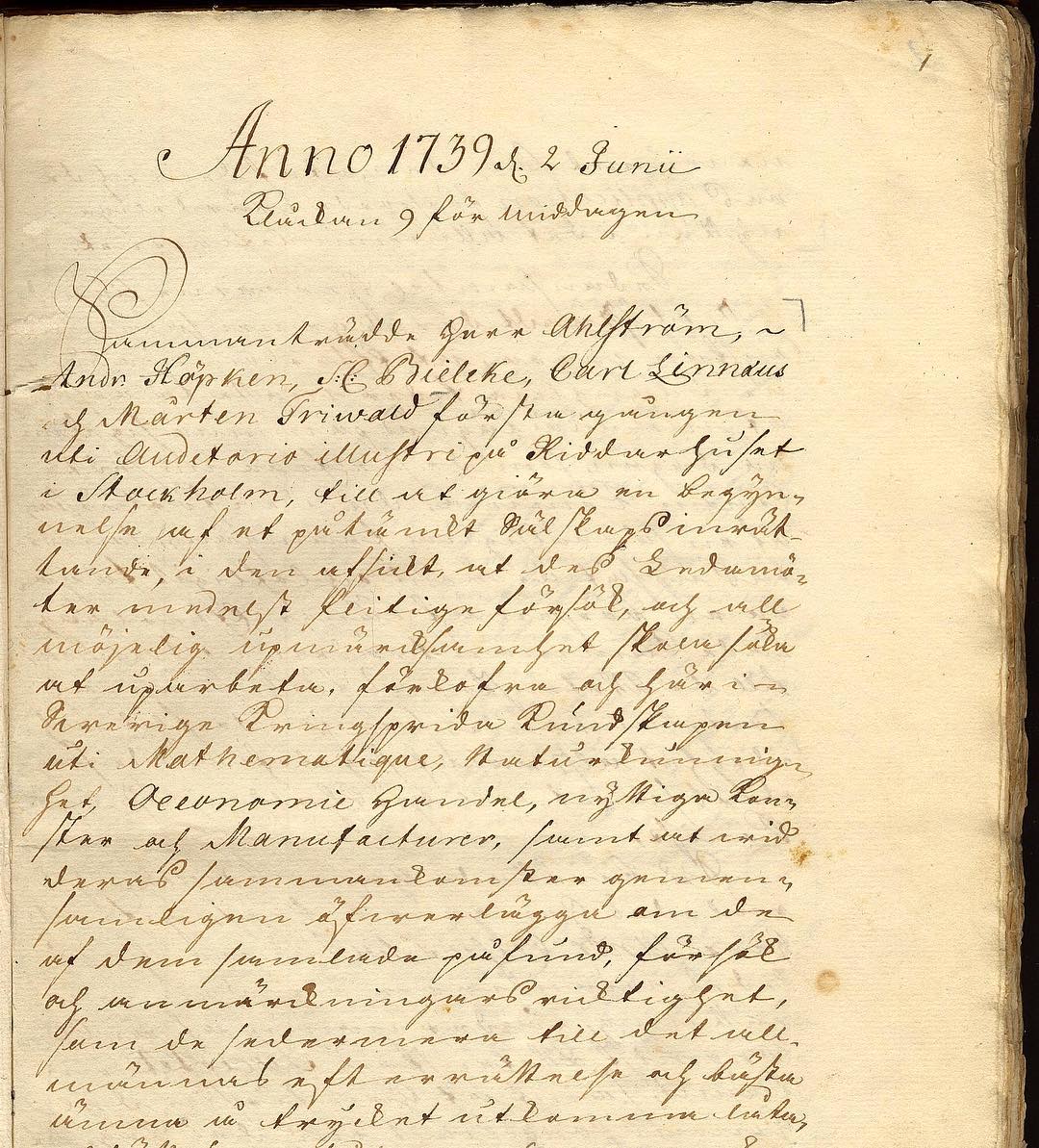
2016-12-07
The very first minutes of the very first meeting of the Royal Swedish Academy of Sciences on the 2nd of June 1739. #theverybeginning #backinthedays #foundation #academy #linnaeus #treasuresofthearchive #historyofscience #scientificheritage #centerforhistoryofscience
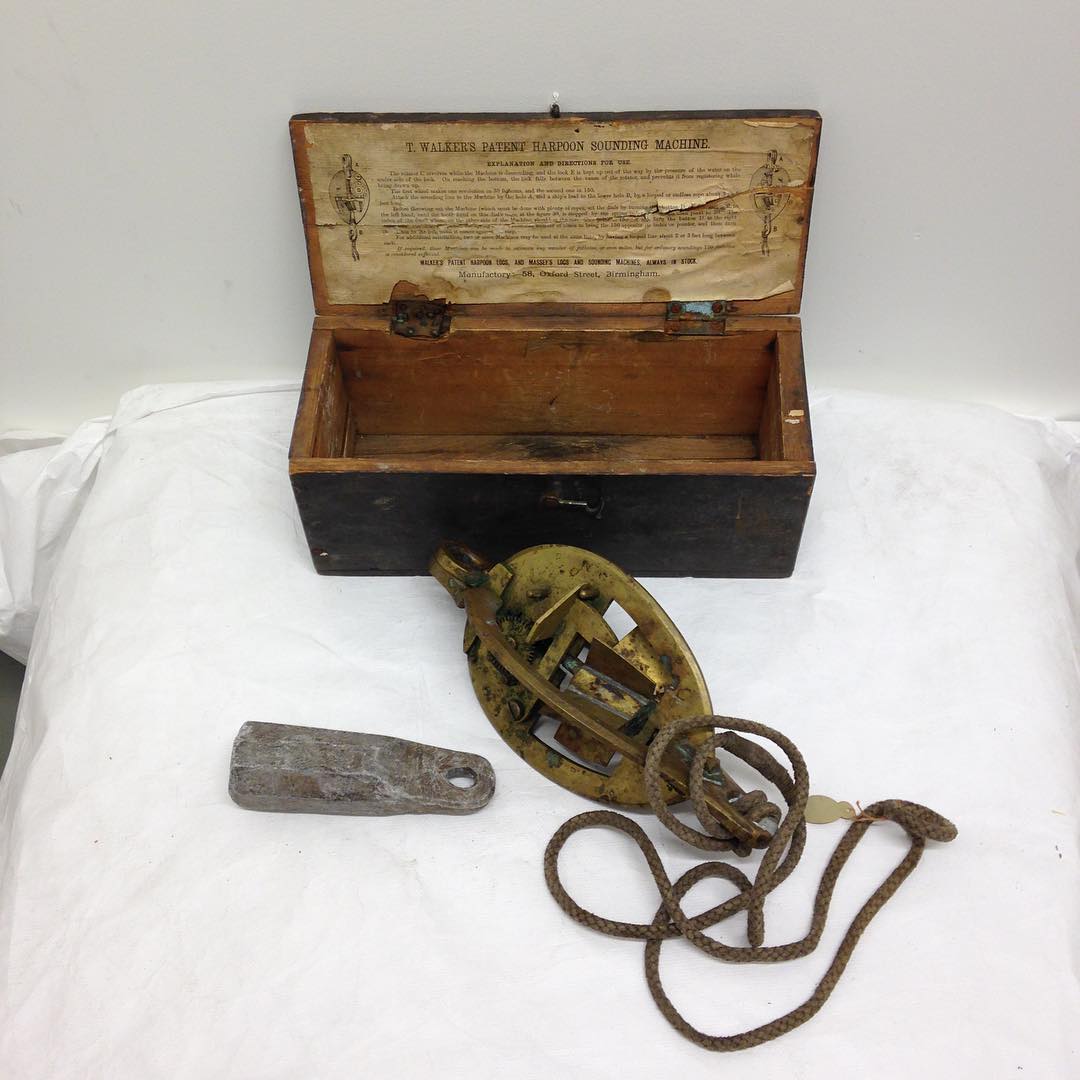
2016-12-06
"T. Walker's patent harpoon sounding machine" with original box, with printed instructions pasted on the inside of the lid. #marineresearch #hydrology #measuringdevice #apparatus #gadget #scientificinstruments #scientificheritage #centerforhistoryofscience #vintage #historyofscience #tools
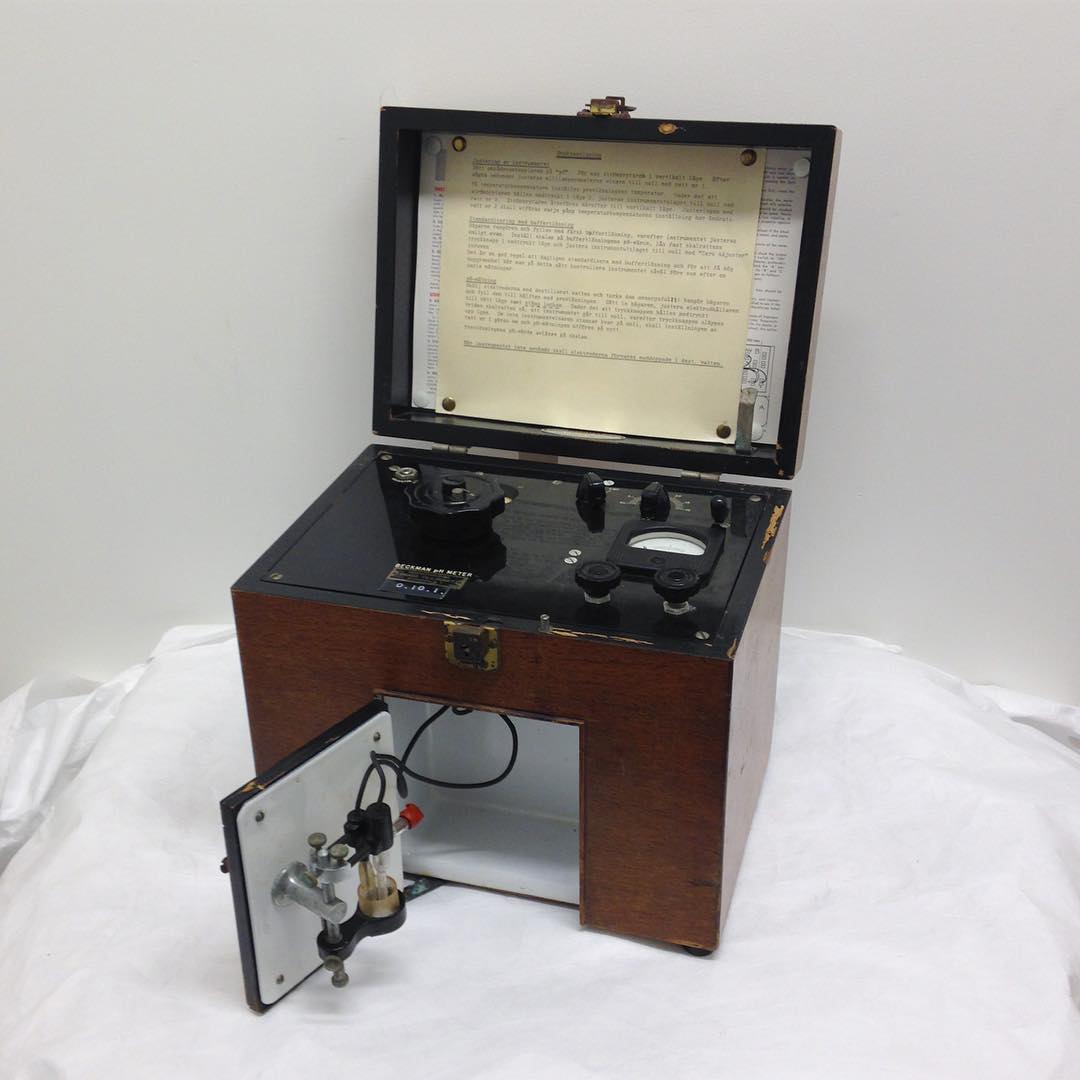
2016-12-06
Mid 20th century pH meter, used at the marine research institute in Kristineberg on the Swedish west coast. #marineresearch #scientificheritage #scientificinstruments #laboratoryequipment #apparatus #beckman #phmeter #centerforhistoryofscience #kristineberg #svenlovencenter #svenlovencenterförmarinavetenskaper
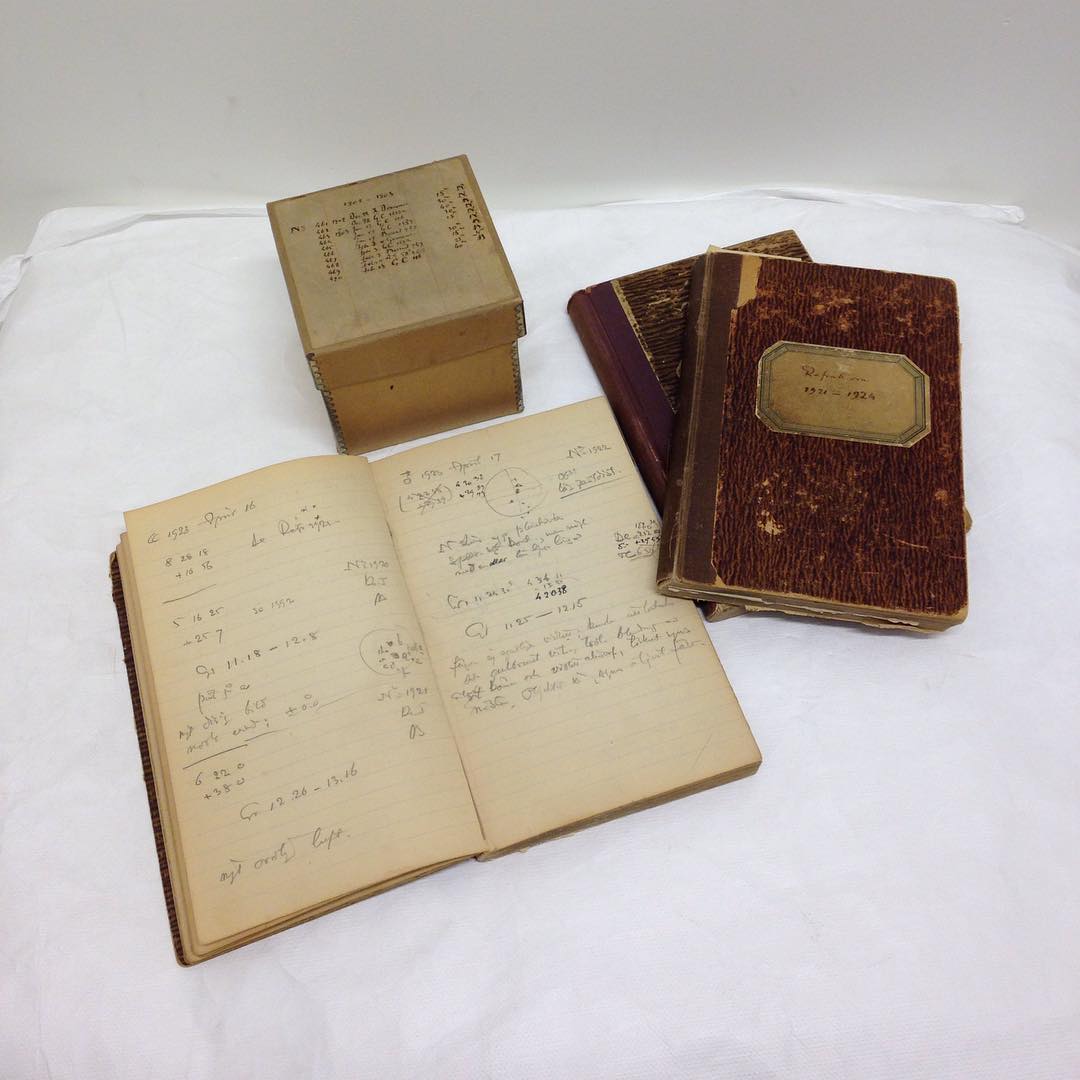
2016-12-06
Observation notebooks from the 1920's, used by Karl Bohlin (1860-1939), astronomer and head of the Stockholm observatory in the early 20th century. The box contained the exposed astrophotographic plates taken with the equipment mounted on the refractor. #historyofscience #astronomy #observations #refractor #astrophotography #centerforhistoryofscience #archive #notebooks
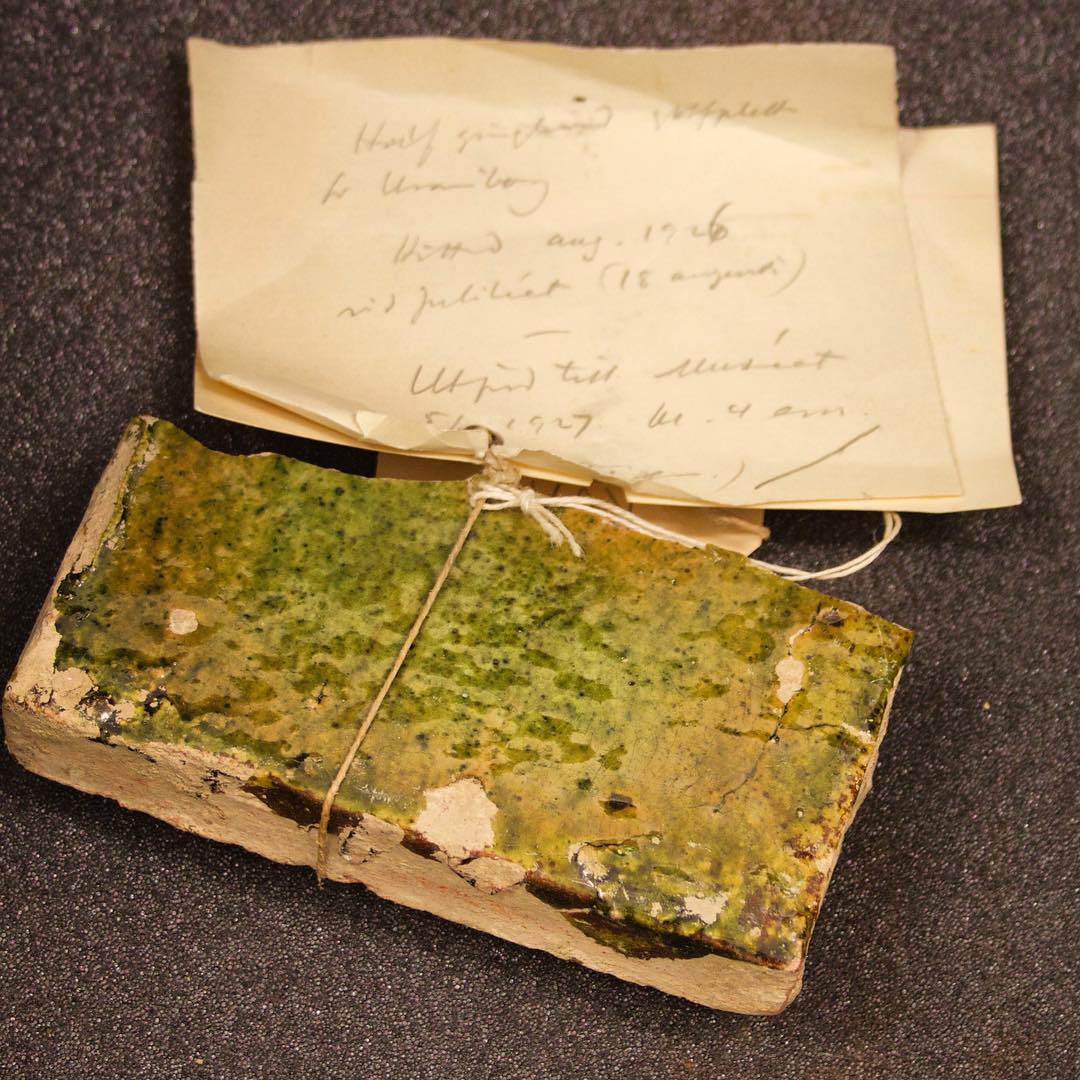
2016-12-06
Green floor tile from the excavations of Tycho Brahe's observatory Uraniborg. #historyofscience #historyofastronomy #tychobrahe #uraniborg #tiles #archaeology #centerforhistoryofscience
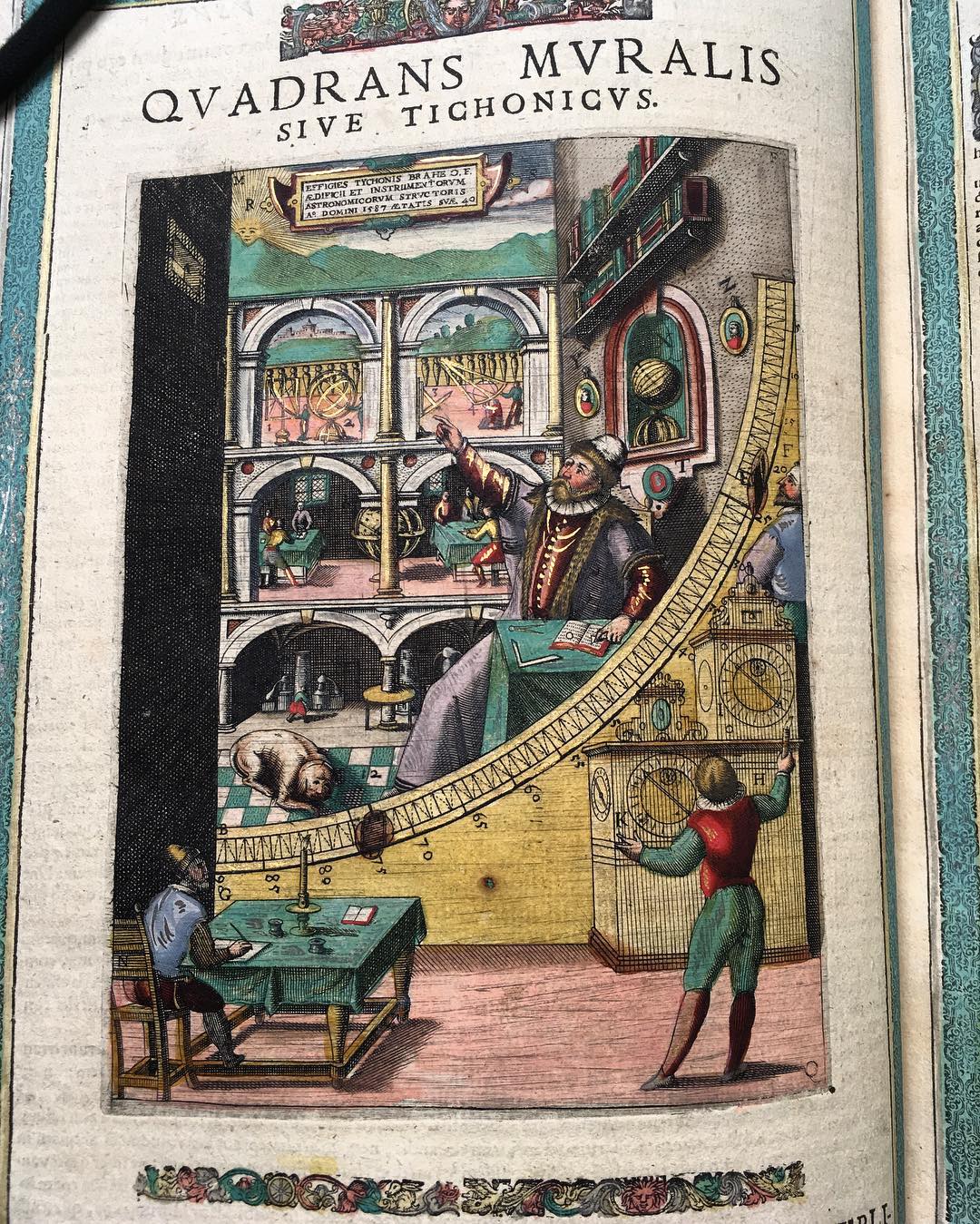
2016-12-06
Page from Tycho Brahe's "Astronomiae instauratae mechanica" printed 1598 and hand coloured. Brahe is standing in his observatory "Uraniborg" built 1576-1580 on the island of Hven. Note the floors of green and white tiles where the dog is napping. #historyofscience #historyofastronomy #rarebooks #treasuresofthearchive #centerforhistoryofscience
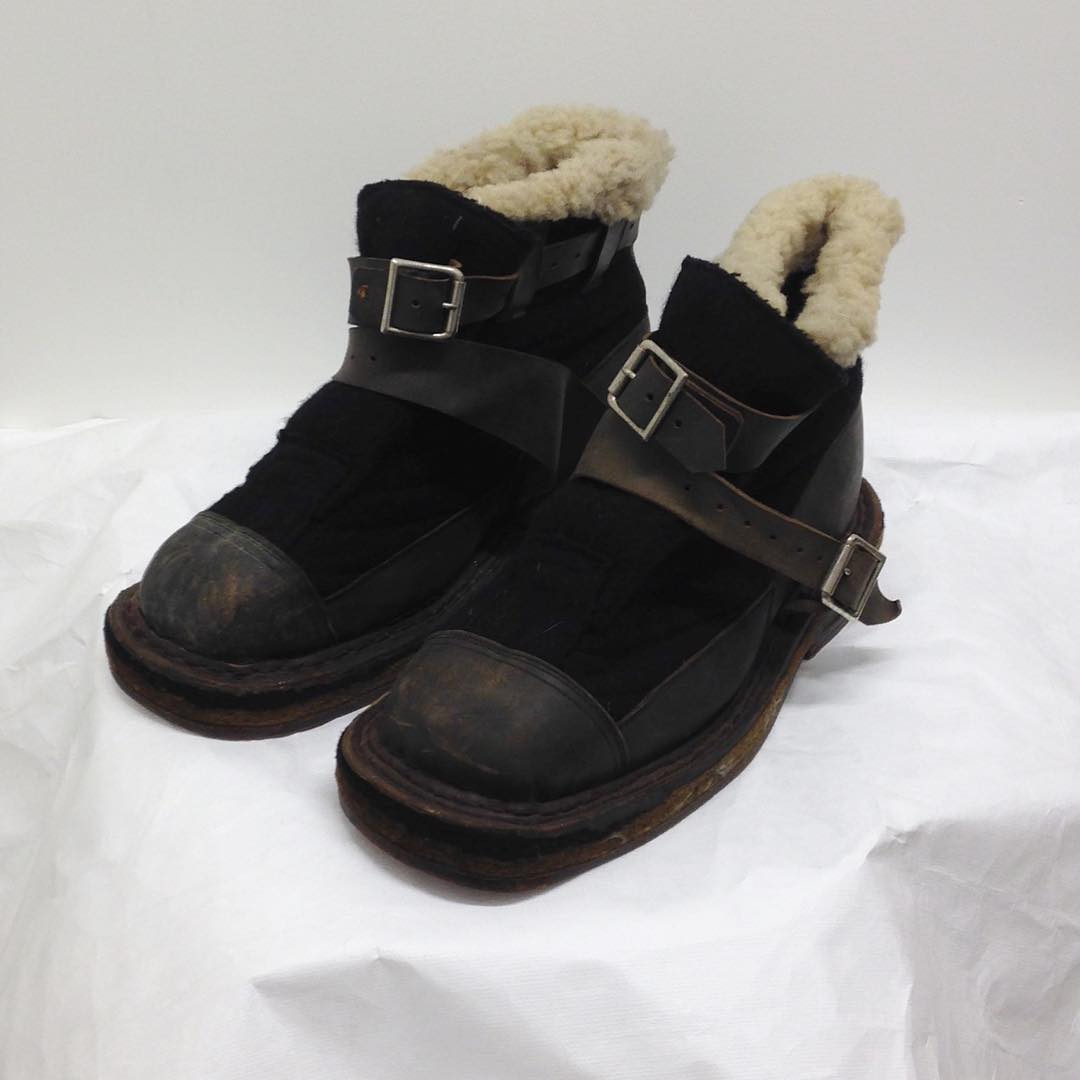
2016-12-06
These boots are made for walking... These were used by swedish botanist, explorer and Academy member Carl Skottsberg (1880-1963). #boots #vintage #polarresearch #rsas #scientificheritage #historyofscience #warmandcosy #centerforhistoryofscience
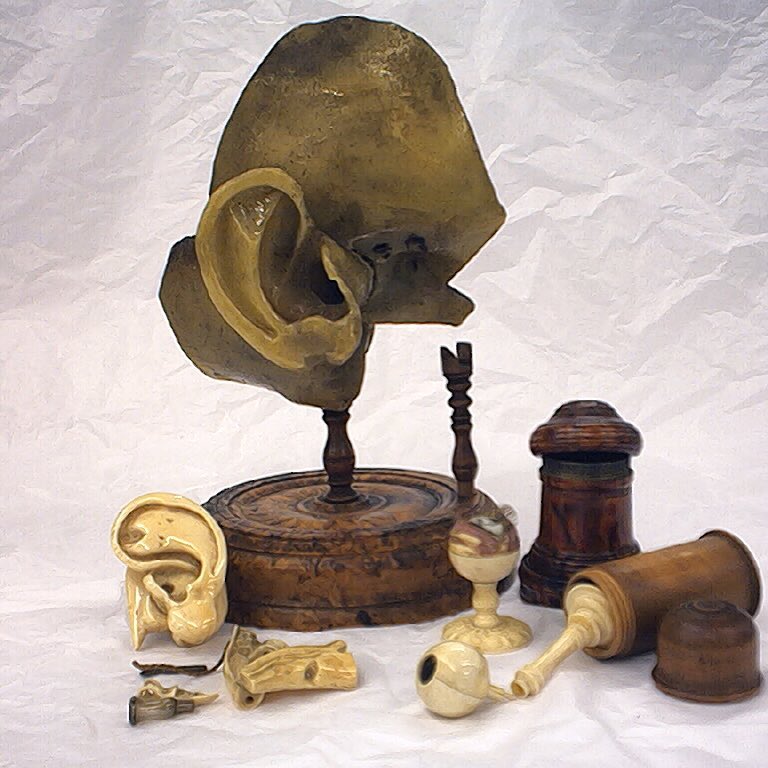
2016-12-06
Lend me your ears and cast an eye over these mid 18th century anatomical models. #scientificinstruments #historyofscience #historyofmedicine #centerforhistoryofscience #anatomicalmodels #centerforhistoryofscience
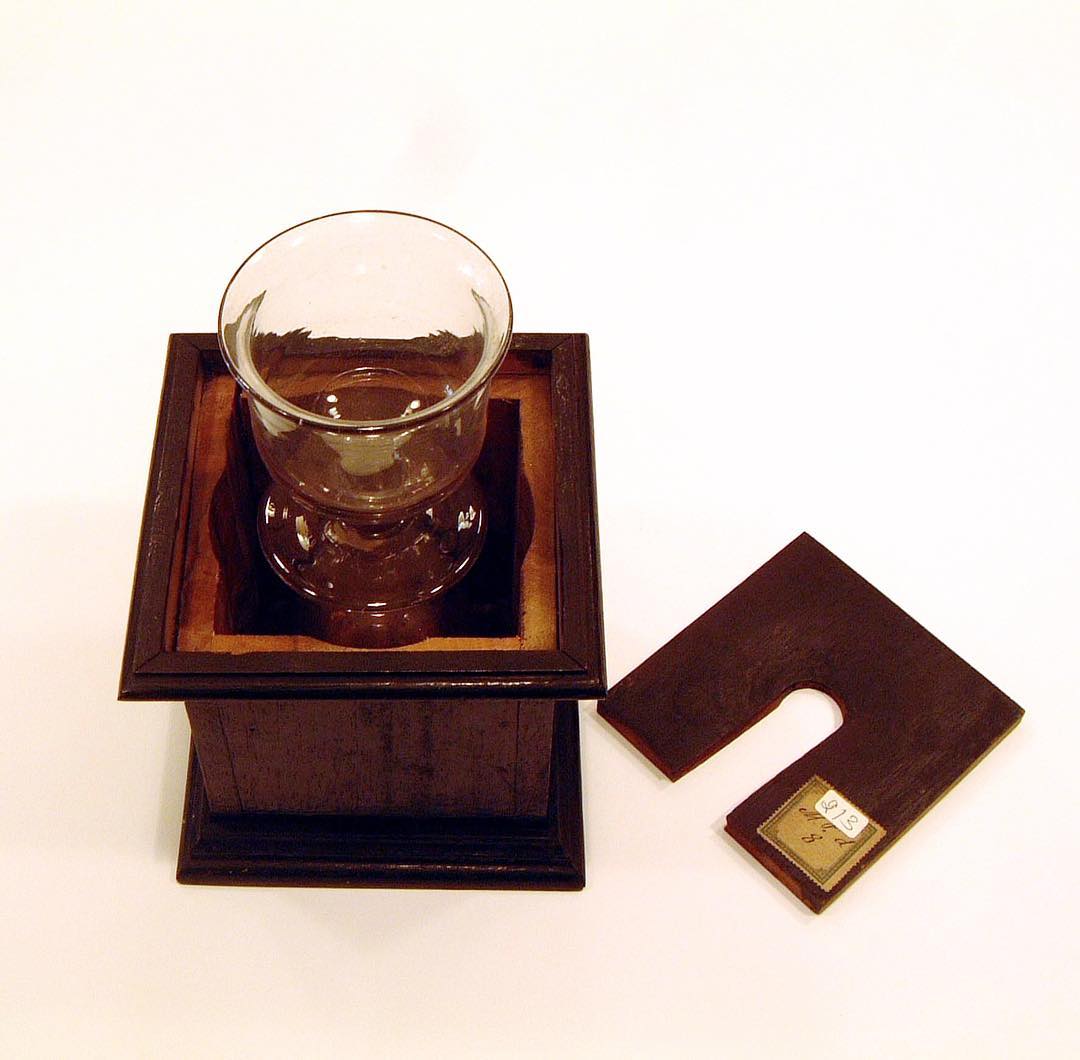
2016-12-06
18th century "passevin", an experimental apparatus that deceptively seems to transform water into wine. The purpose is to show that liquids of different density will position themselves in layers. #scientificinstruments #historyofscience #scientificexperiment #centerforhistoryofscience
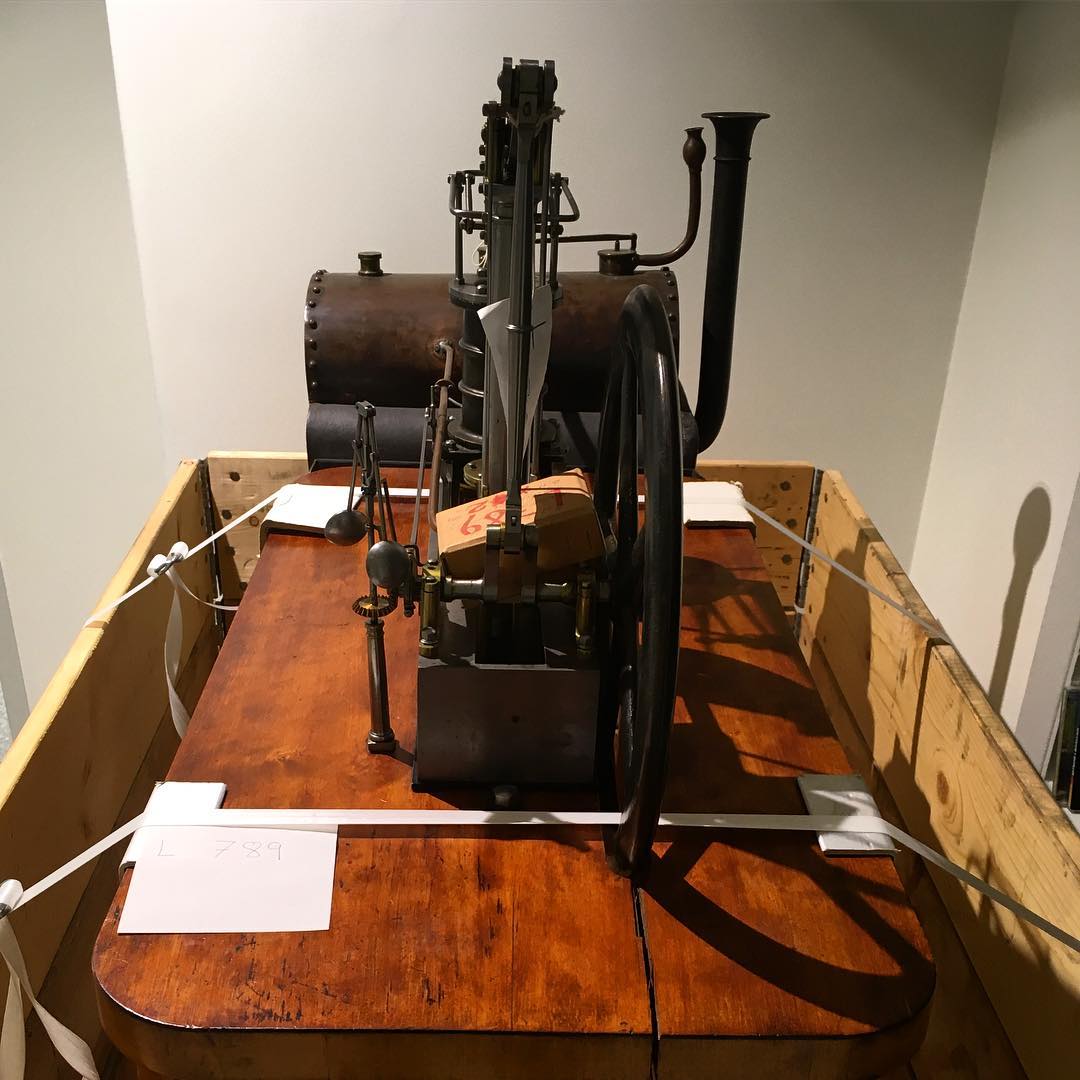
2016-12-06
The homecoming of a condensing steam engine model from 1845. After 50 years at the museum of technology it has returned to our holdings. #welcomehome #bigdelivery #steamengines #scientificinstruments #historyofscience #centerforhistoryofscience #historyofengineering #historyoftechnology
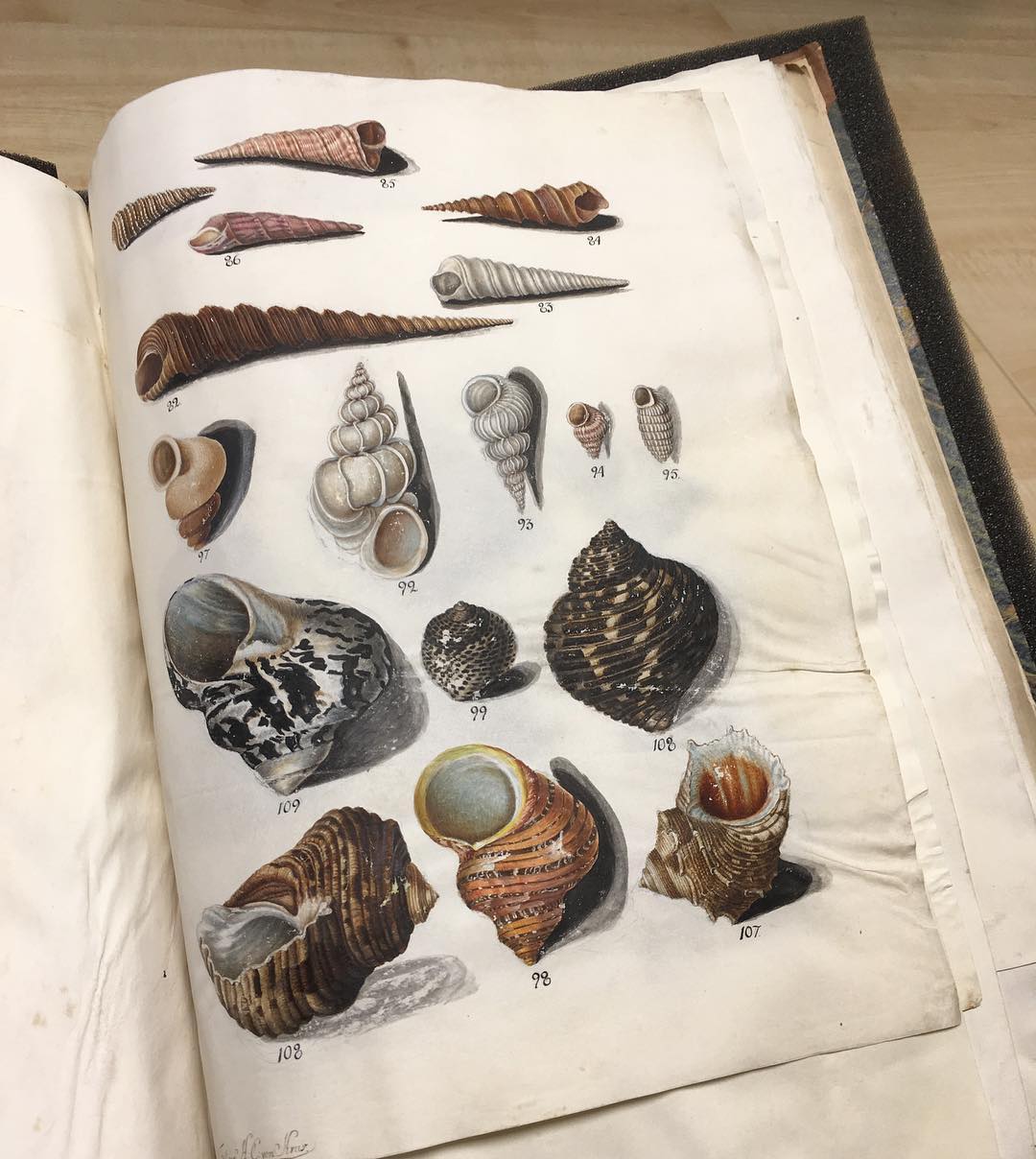
2016-12-06
Catalogue of the shell collection in the private museum of Queen Lovisa Ulrika. Painted by H. C. von Kruus 1754 and described by Linnaeus. #treasuresofthearchive #18thcenturybooks #museumcatalogues #centerforhistoryofscience
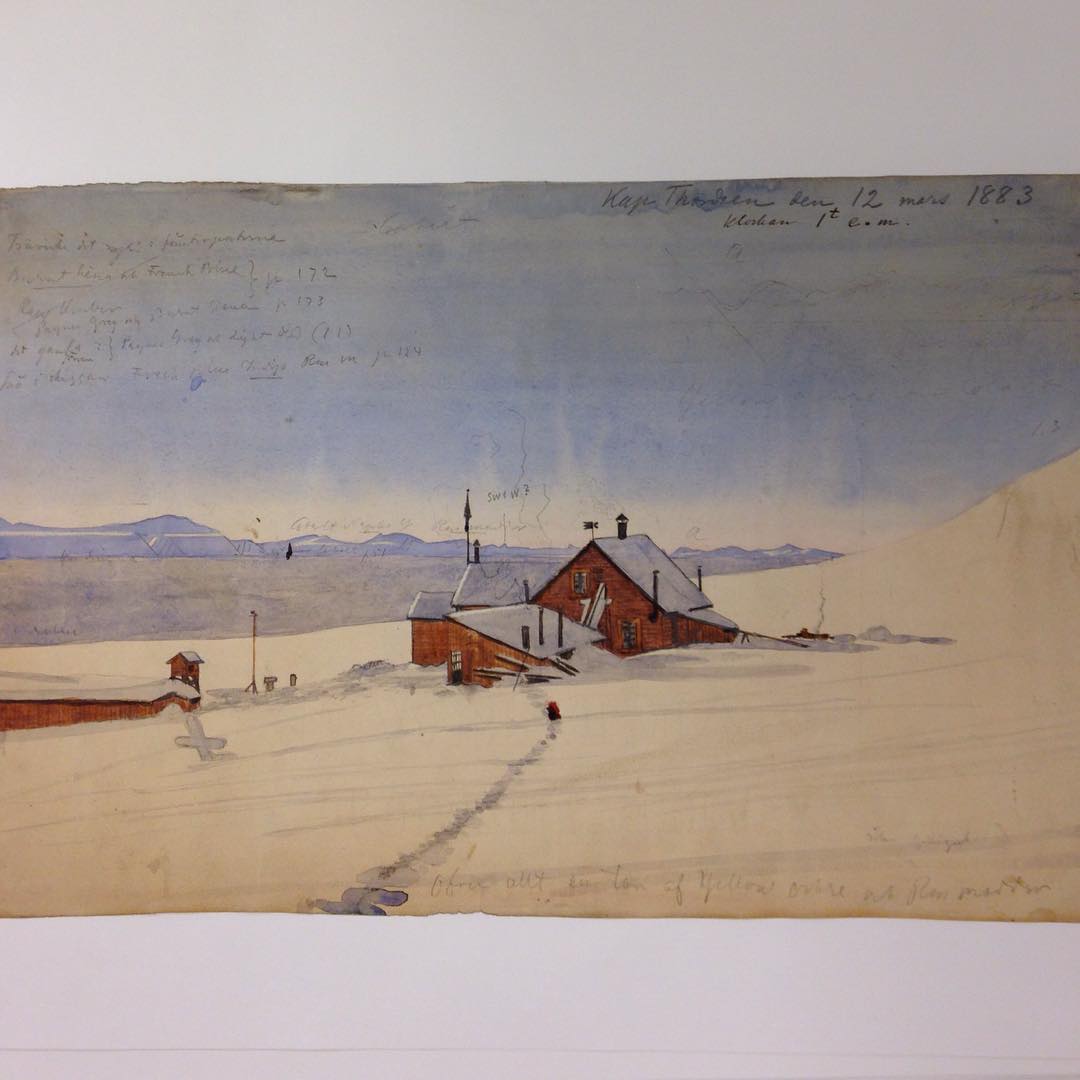
2016-12-06
Another watercolour from the station at Cap Thordsen, Spitsbergen. #Spitsbergen #polarresearch #expedition #polaryear #historyofscience #archive #watercolor #centerforhistoryofscience
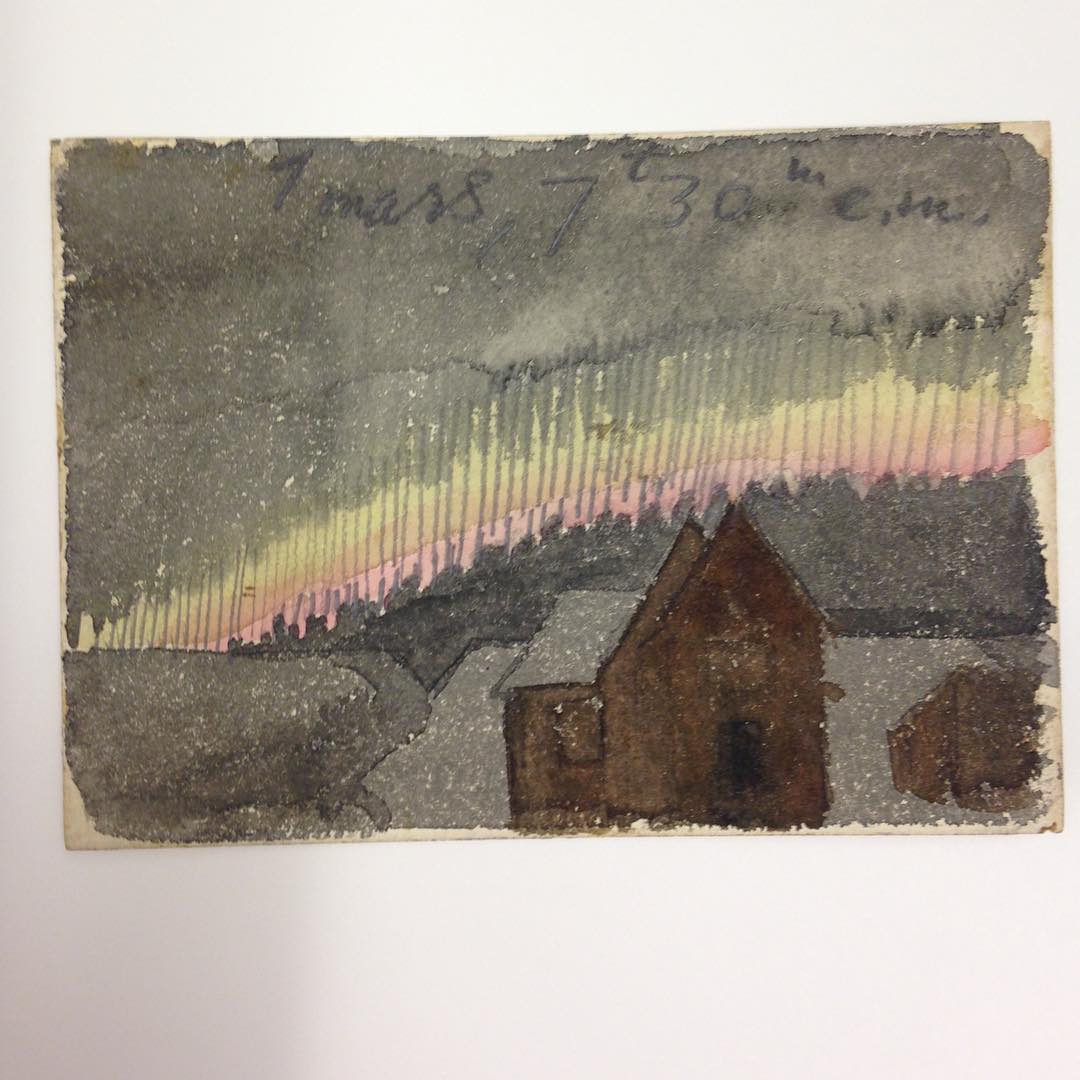
2016-12-06
Watercolour from the swedish polar expedition to Spitsbergen in 1882, made by Academy member Vilhelm Carlheim Gyllensköld. #spitsbergen #expedition #polarresearch #polaryear #auroraborealis #drawing #scientificheritage #historyofscience
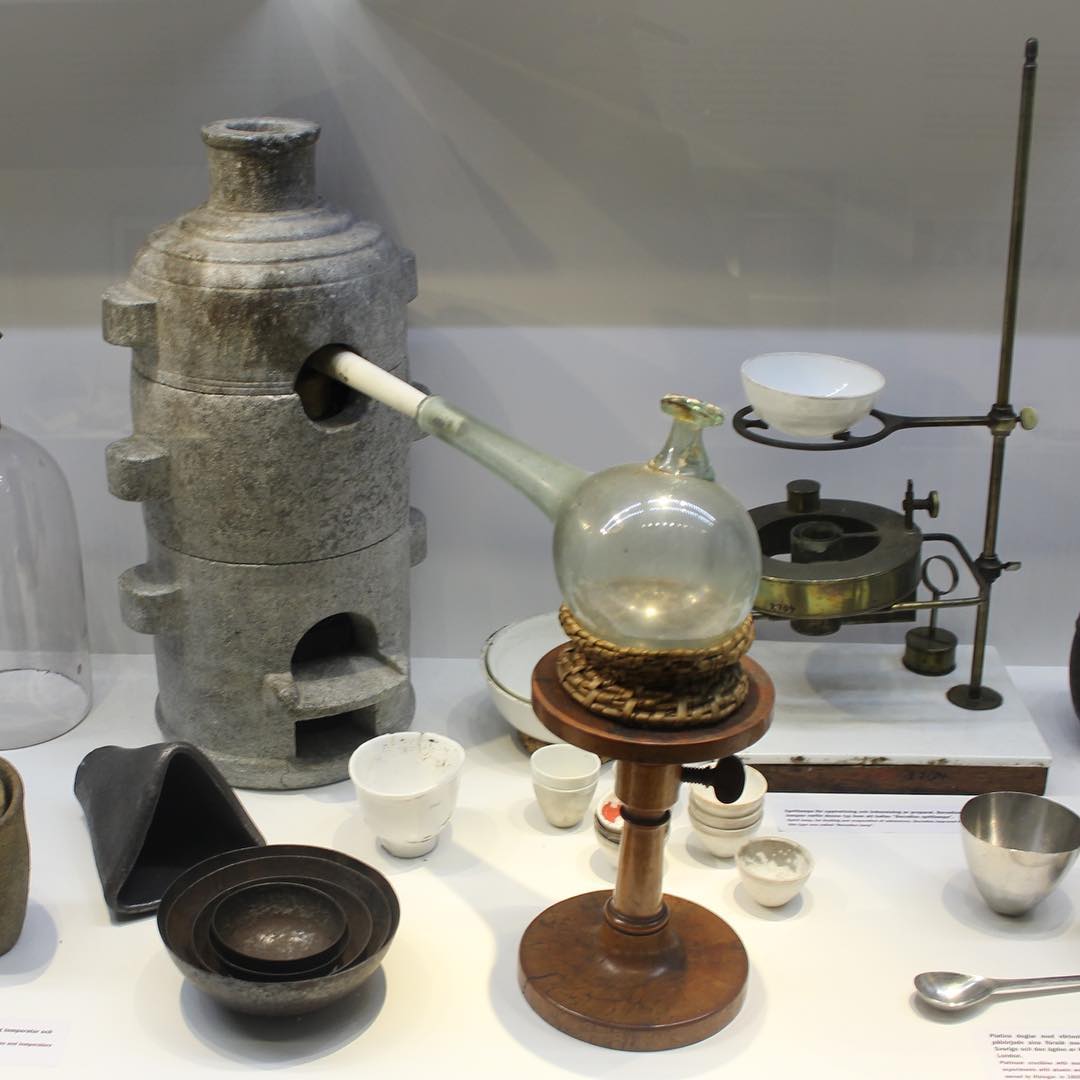
2016-12-02
A small part of the Berzelius collection, which consists of more than 3000 objects, including laboratory equipment and chemical samples. #centerforhistoryofscience #historyofscience #historyofchemistry #chemicalheritage #laboratory #berzelius #chemicalequipment #crusible #retort #laboratoryequipment
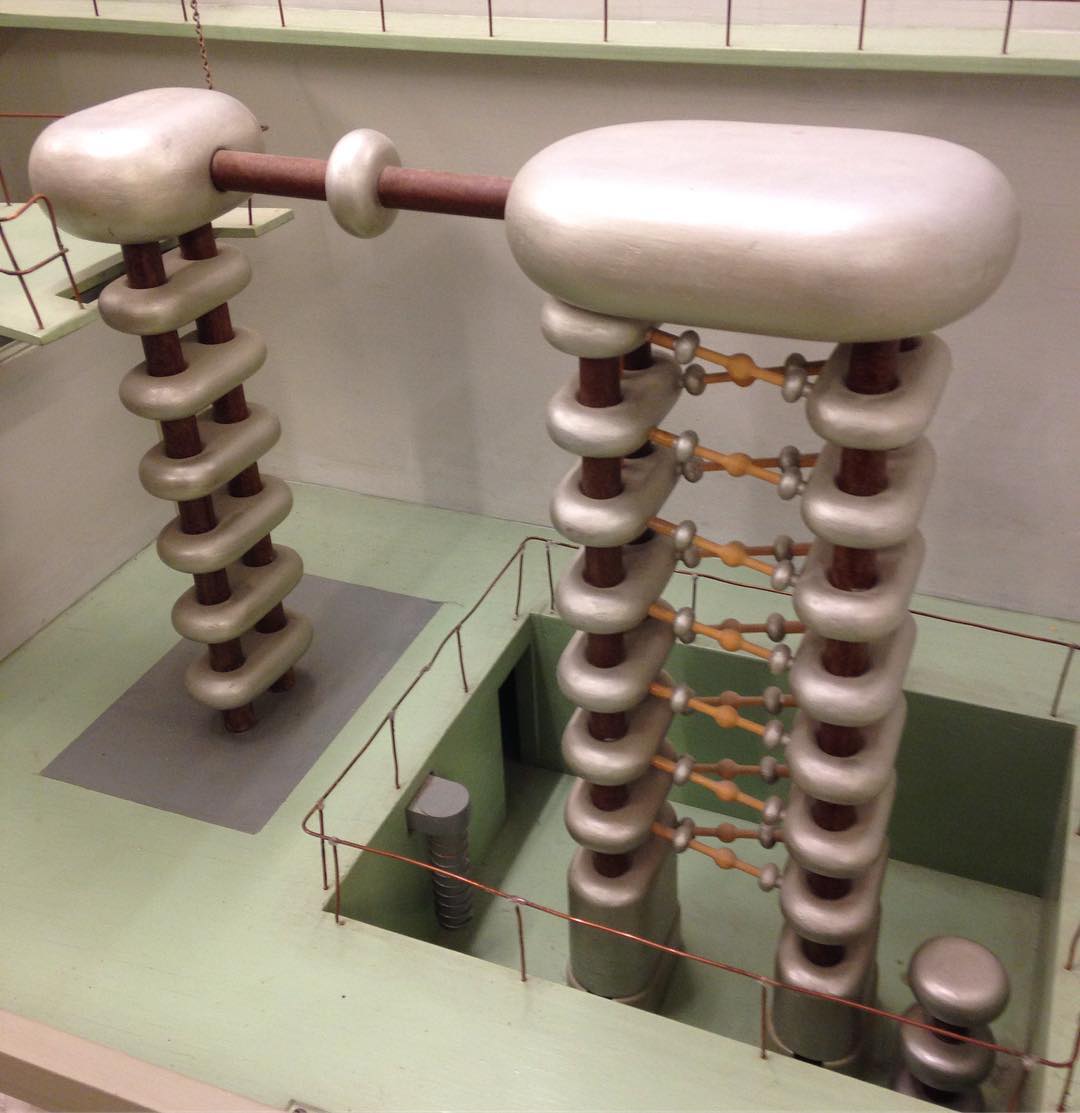
2016-12-02
Detail of a model of the cascade generator of the Nobel Institute of Physics, scale 1:20, made for an exhibition of swedish research in nuclear physics in 1949. #centerforhistoryofscience #historyofscience #scientificinstruments #model #mannesiegbahn #historyofphysics #apparatus #nuclearphysics #nobel #research #science
SMS-programmet
Centrum för vetenskapshistoria samordnade 2013–2019 ett stort forskningsprogram, Science and modernization in Sweden: An institutional approach to historicizing the knowledge society. Det finansierades av Marianne och Marcus Wallenbergs Stiftelse.
Läs mer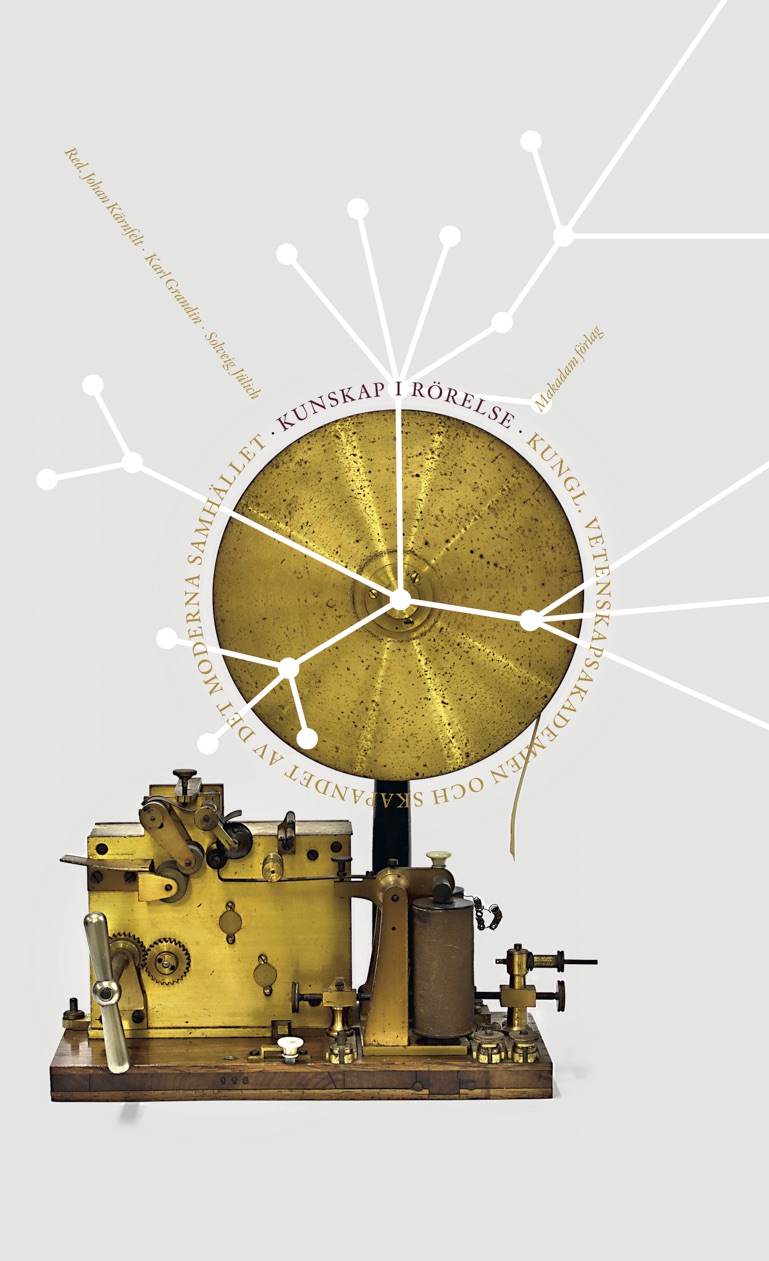
Postdocsamarbete med Umeå
Centrum för vetenskapshistoria samarbetade 2013–2015 med USSTE vid Umeå universitet om ett postdocprojekt. Projektet finansierades av Göran Gustafssons Stiftelse.
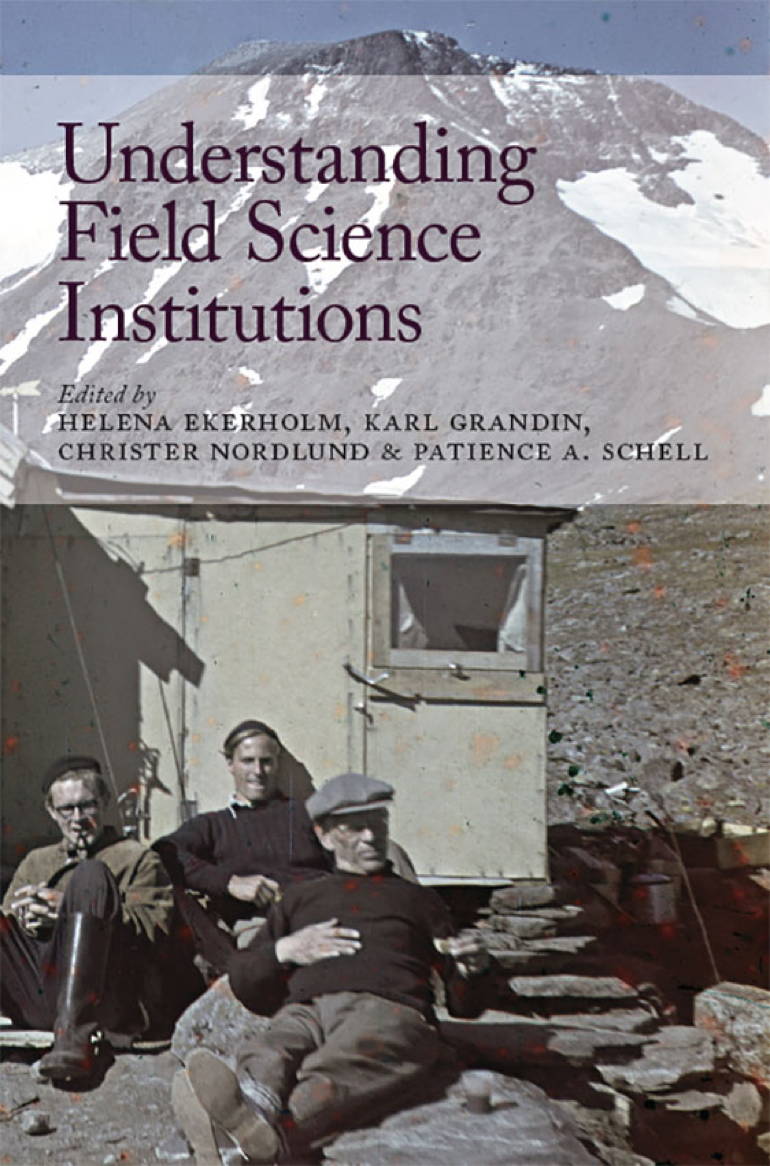
Linnékorrespondensen
Linnékorrespondensprojektet syftade till att göra hela Linnés korrespondens tillgänglig på nätet med sammanfattningar och översättningar samt faksimiler. Projektet finansierades av Riksbankens Jubileumsfond.
Läs mer